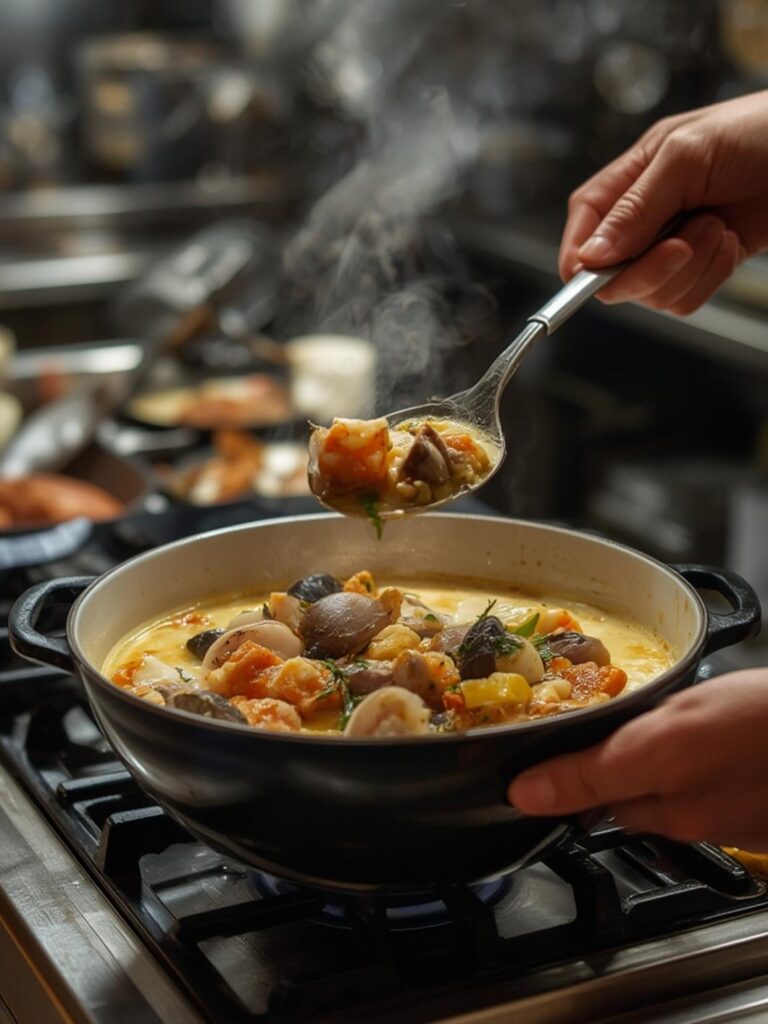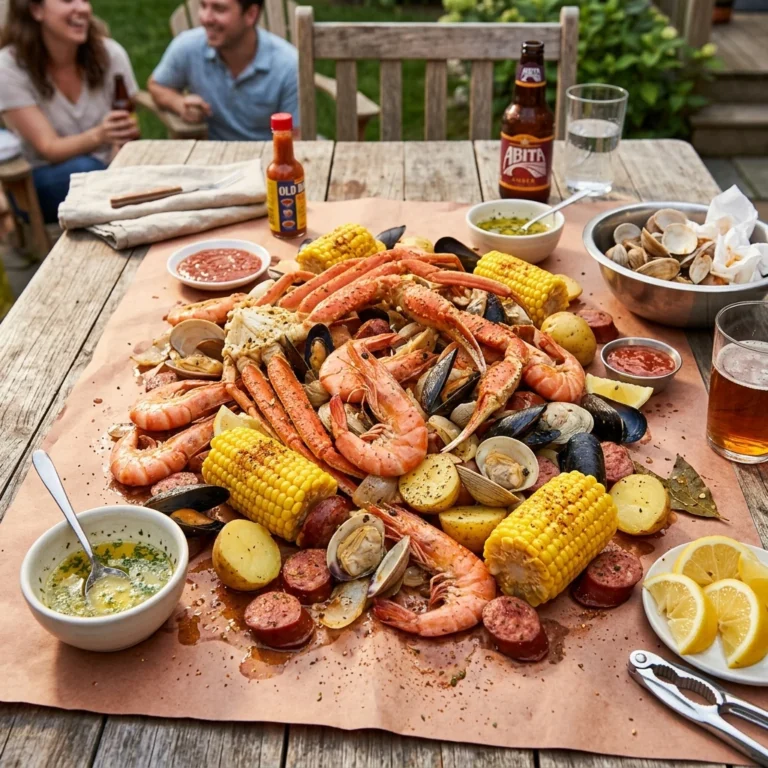
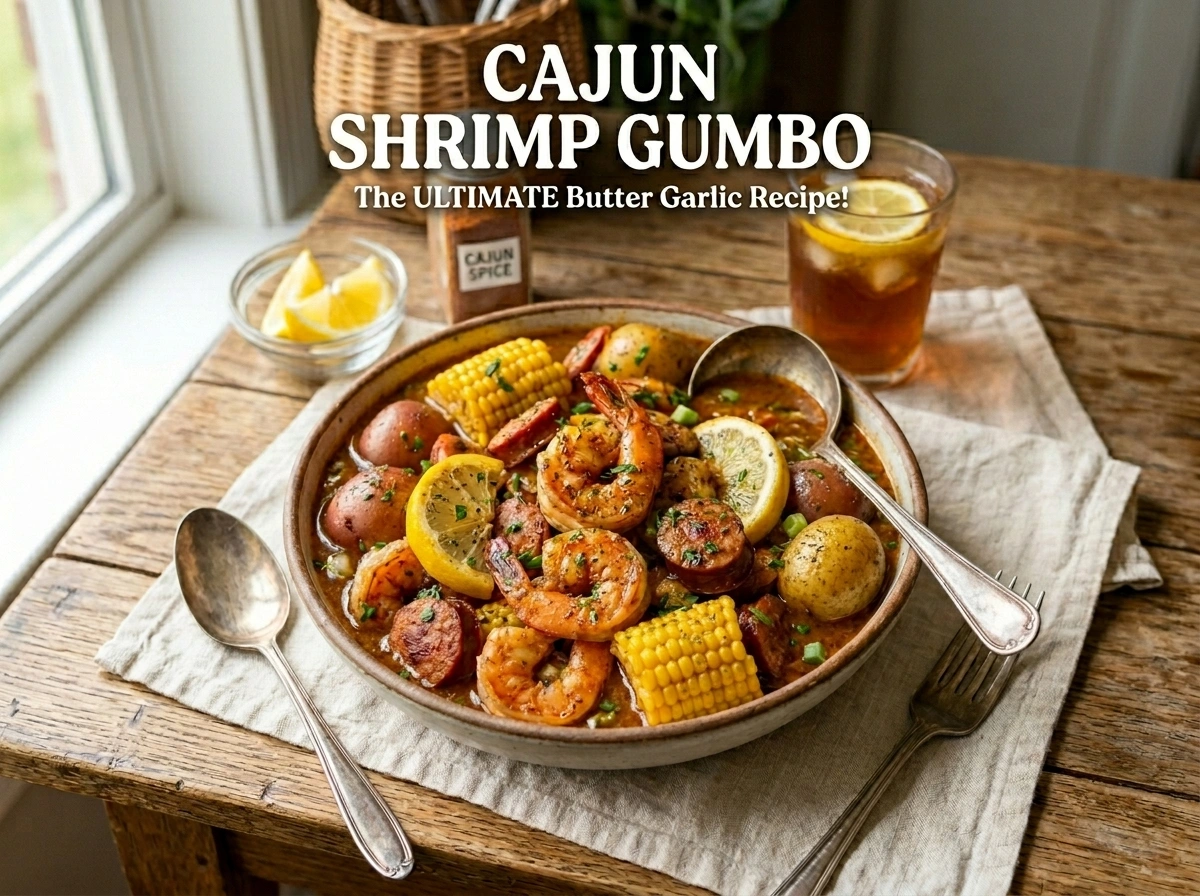
Shrimp gumbo recipe with classic Cajun flavor
If you’ve been searching for a Shrimp gumbo recipe with classic Cajun flavor recipe that actually delivers on its promise, this is it. I’ve tried enough disappointing versions to know what makes this one work.
Table of Contents
Ingredients for Shrimp gumbowith Cajun flavor
Chef’s note: This recipe came from a coastal trip where I watched a local cook make something similar — I had to recreate it at home.
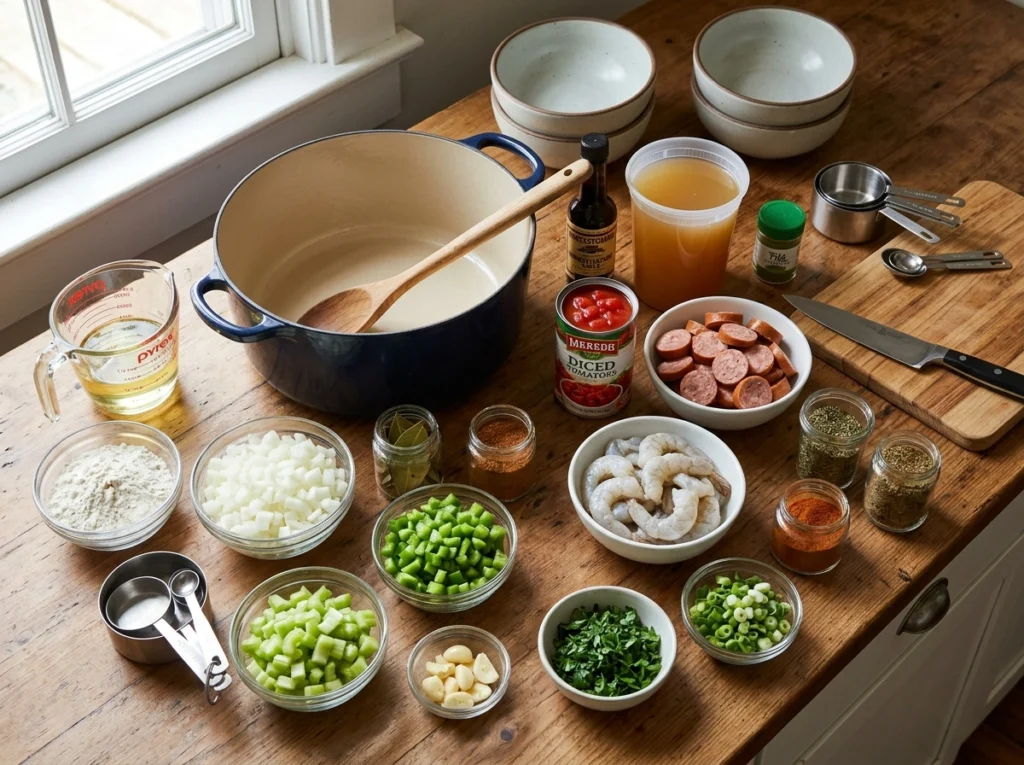
For the Roux:
– 1/2 cup vegetable oil
– 1/2 cup all-purpose flour
– 1 large onion, diced
– 1 green bell pepper, diced
– 2 celery stalks, diced
– 4 cloves garlic, minced
For the Gumbo Base:
– 6 cups seafood or chicken stock
– 1 pound andouille sausage, sliced
– 2 pounds fresh shrimp, peeled and deveined
– 1 can (14.5 oz) diced tomatoes
– 2 bay leaves
– 2 tablespoons Cajun seasoning
– 1 teaspoon dried thyme
– 1/2 teaspoon cayenne pepper (adjustable)
– 2 tablespoons Worcestershire sauce
– 1 tablespoon filé powder (optional)
– 1/4 cup fresh parsley, chopped
– 4 green onions, sliced
Equipment:
– Large heavy-bottomed pot or Dutch oven
– Wooden spoon for stirring
– Measuring cups and spoons
– Sharp knife and cutting board
– Serving bowls
How Long Does Shrimp gumbowith Cajun flavor Take to Make?
Prep Time: 30 minutes for chopping and measuring ingredients
Cooking Time: 1 hour and 15 minutes (including 20-30 minutes for the roux)
Total Time: Approximately 1 hour and 45 minutes
Servings: 6-8 people
This timing is typical for most gumbo recipes, though it’s worth noting that authentic gumbo often tastes even better the next day, so consider making it ahead of time if serving for a special occasion.
How to Make Shrimp gumbowith Cajun flavor (Step-by-Step)
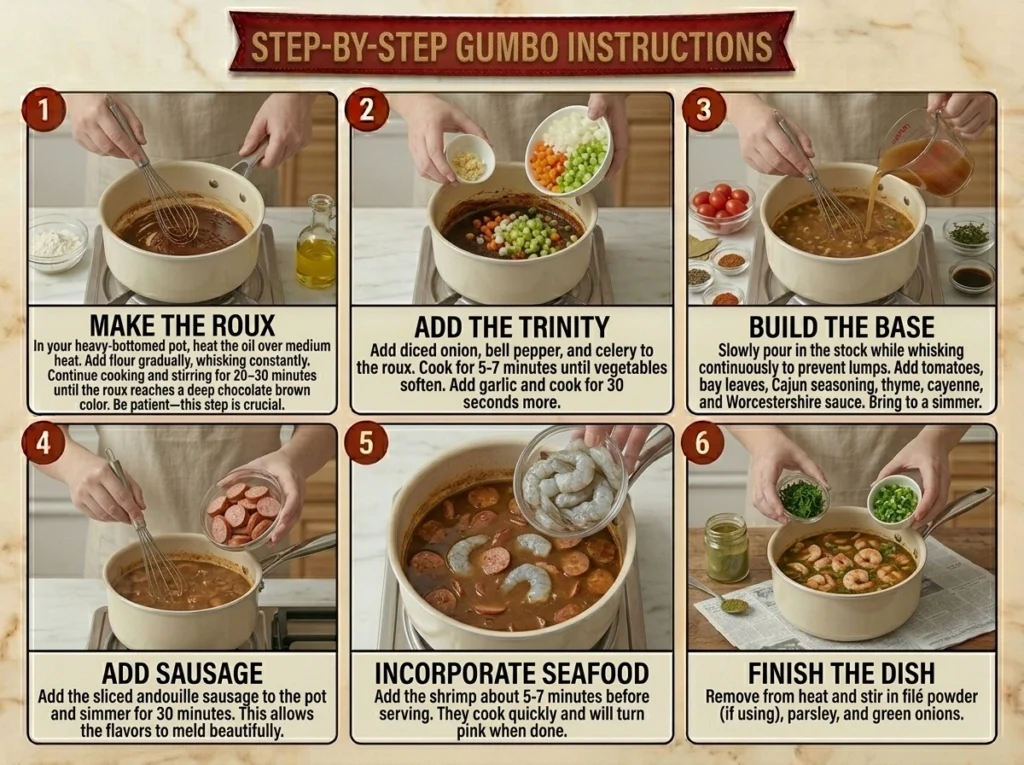
1. Make the Roux: In your heavy-bottomed pot, heat the oil over medium heat. Add flour gradually, whisking constantly. Continue cooking and stirring for 20-30 minutes until the roux reaches a deep chocolate brown color. Be patient—this step is crucial for developing the rich flavor base for your shrimp gumbo recipe.
2. Add the Trinity: Add diced onion, bell pepper, and celery to the roux. Cook for 5-7 minutes until vegetables soften. Add garlic and cook for 30 seconds more.
3. Build the Base: Slowly pour in the stock while whisking continuously to prevent lumps. Add tomatoes, bay leaves, Cajun seasoning, thyme, cayenne, and Worcestershire sauce. Bring to a simmer.
4. Add Sausage: Add the sliced andouille sausage to the pot and simmer for 30 minutes. This allows the flavors to meld beautifully in your shrimp and sausage gumbo.
5. Incorporate Seafood: Add the shrimp about 5-7 minutes before serving. They cook quickly and will turn pink when done.
6. Finish the Dish: Remove from heat and stir in filé powder (if using), parsley, and green onions.
7. Serve: Ladle gumbo over cooked rice in bowls and garnish with additional green onions if desired.
Nutritional Benefits of Shrimp gumbowith Cajun flavor
This homemade gumbo offers several nutritional benefits. The shrimp provides lean protein and is an excellent source of selenium, vitamin B12, and phosphorus. Bell peppers add vitamin C, while onions and garlic offer immune-boosting properties. By making it at home, you can control sodium levels and avoid preservatives found in restaurant versions.
Expert Tips for the Best Shrimp gumbowith Cajun flavor
– Roux Alternatives: For a gluten-free version, substitute rice flour for all-purpose flour.
– Protein Variations: Try adding crabmeat, oysters, or even chicken instead of or in addition to shrimp.
– Spice Adjustments: Control the heat level by adjusting the amount of cayenne pepper.
– Okra Option: Add 2 cups of sliced okra for additional thickening and authentic flavor.
– Vegetable Stock: For a pescatarian version, use vegetable stock instead of chicken stock.
Common Mistakes When Making Shrimp gumbowith Cajun flavor
1. Rushing the Roux: A proper roux takes time. Don’t increase the heat to speed it up or it will burn.
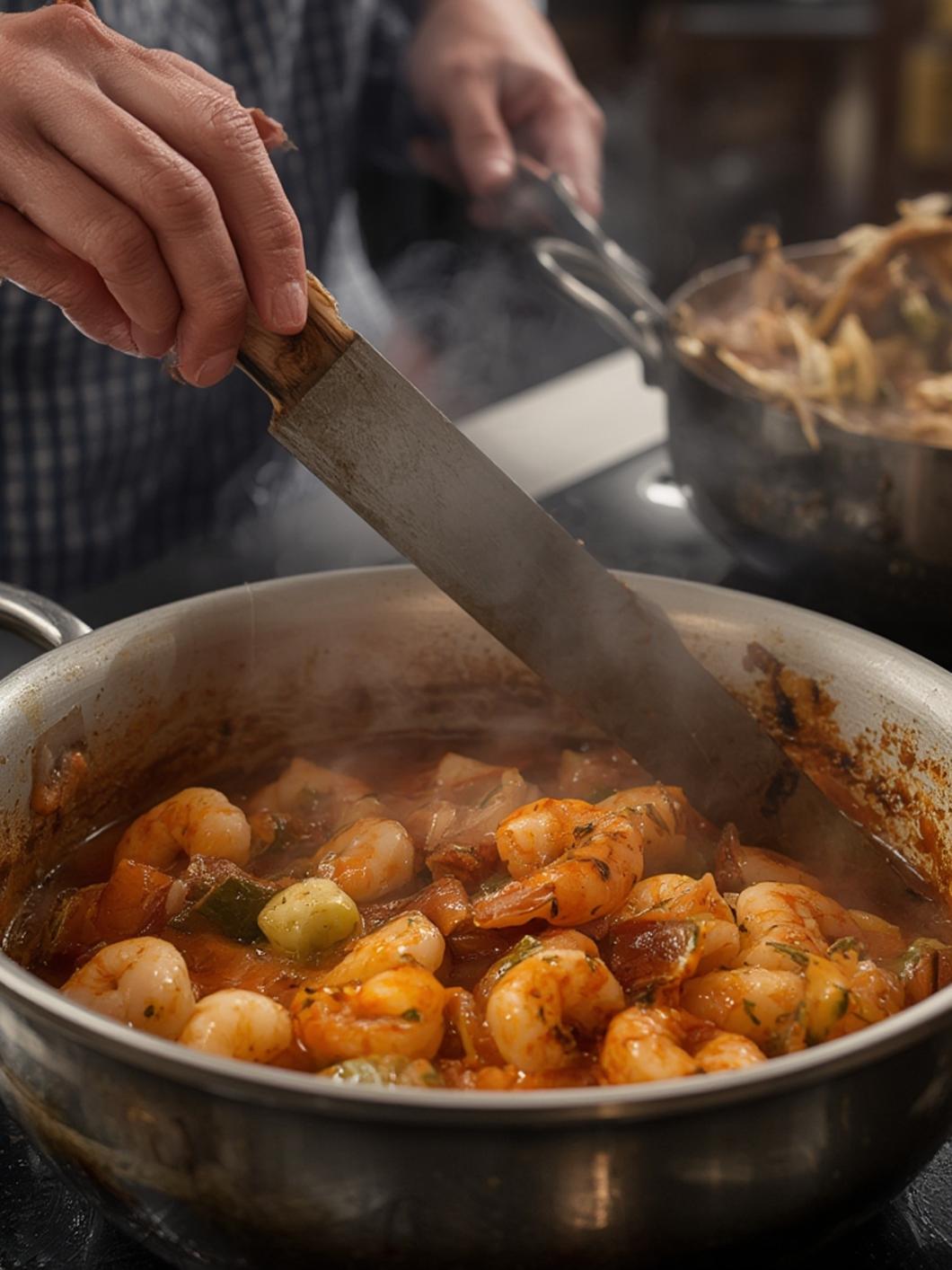
2. Overcooking Shrimp: Add shrimp near the end of cooking to prevent them from becoming tough and rubbery.
3. Under-seasoning: Cajun dishes are known for bold flavors, so don’t be shy with seasonings.
4. Adding Filé Powder Too Early: Always add filé powder at the end of cooking, never during simmering, as it can become stringy.
How to Store Shrimp gumbowith Cajun flavor
Gumbo can be stored in an airtight container in the refrigerator for up to 3 days. The flavors actually improve overnight as they continue to meld. For longer storage, freeze in portion-sized containers for up to 3 months. When reheating, do so gently on the stovetop, adding a splash of water or stock if needed to thin the consistency.
Conclusion
Creating a homemade shrimp gumbo recipe allows you to bring the authentic flavors of Louisiana right to your dining table. The process of making the roux and building layers of flavor might take some time, but the end result is well worth the effort. This shrimp and sausage gumbo is perfect for weekend cooking projects or special occasions when you want to impress your guests with your culinary skills. We encourage you to embrace the process and enjoy both the cooking experience and the delicious outcome!
Frequently Asked Questions About Shrimp gumbowith Cajun flavor
Can I make gumbo without making a roux?
While the roux is traditional and provides the distinctive flavor and color, you can make a simplified version using a tomato base and okra for thickening, though purists would argue it’s not authentic gumbo.
How thick should gumbo be?
Authentic gumbo should be thicker than soup but not as thick as stew—it should easily coat the back of a spoon but still flow when ladled.
Can I use frozen shrimp?
Yes, frozen shrimp works well in gumbo. Just thaw completely and pat dry before adding to ensure they don’t release too much water into the dish.
Is filé powder necessary?
No, filé powder is optional. It adds a distinctive flavor and helps thicken the gumbo, but many delicious versions are made without it.
There are no reviews yet. Be the first one to write one.