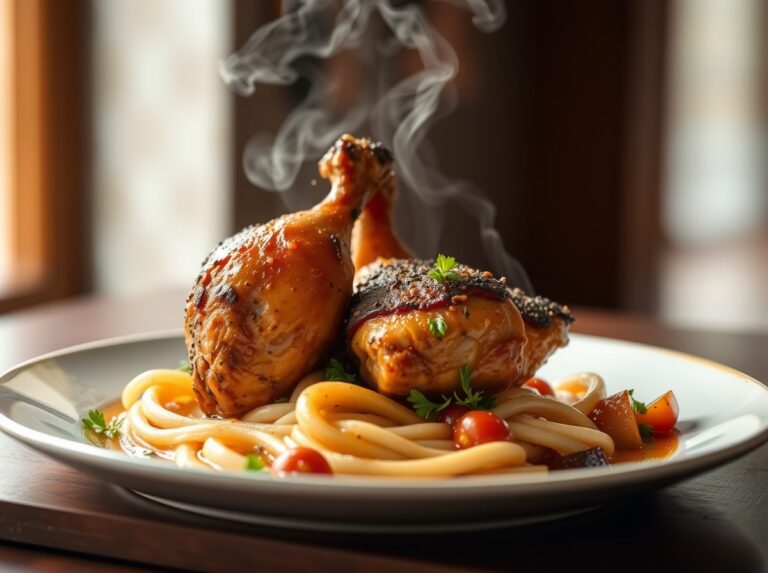
Homemade Chicken Bone Broth Recipe
Chicken Bone Broth might be the most practical dish in my rotation. Quick to make, easy to adapt, and genuinely delicious — it checks every box.
Table of Contents
Ingredients for Chicken Bone Broth
Chef’s note: This is hands-down one of my favorite weeknight dinners. My family requests it almost every week.
Ingredients:
– 3-4 pounds of chicken bones (backs, necks, feet, or leftover carcass)
– 2 medium onions, roughly chopped
– 3 carrots, chopped into 2-inch pieces
– 3 celery stalks with leaves, chopped
– 4 garlic cloves, smashed
– 2 bay leaves
– 1 tablespoon whole peppercorns
– 2 tablespoons apple cider vinegar
– Fresh herbs (parsley, thyme, rosemary)
– 1 tablespoon sea salt (or to taste)
– Cold filtered water (enough to cover bones by 2 inches)
Equipment:
– Large stockpot (8-12 quarts) or slow cooker
– Fine-mesh strainer
– Large bowl for straining
– Storage containers (glass jars or freezer-safe containers)
– Skimmer or slotted spoon
– Cutting board and knife
How Long Does Chicken Bone Broth Take to Make?
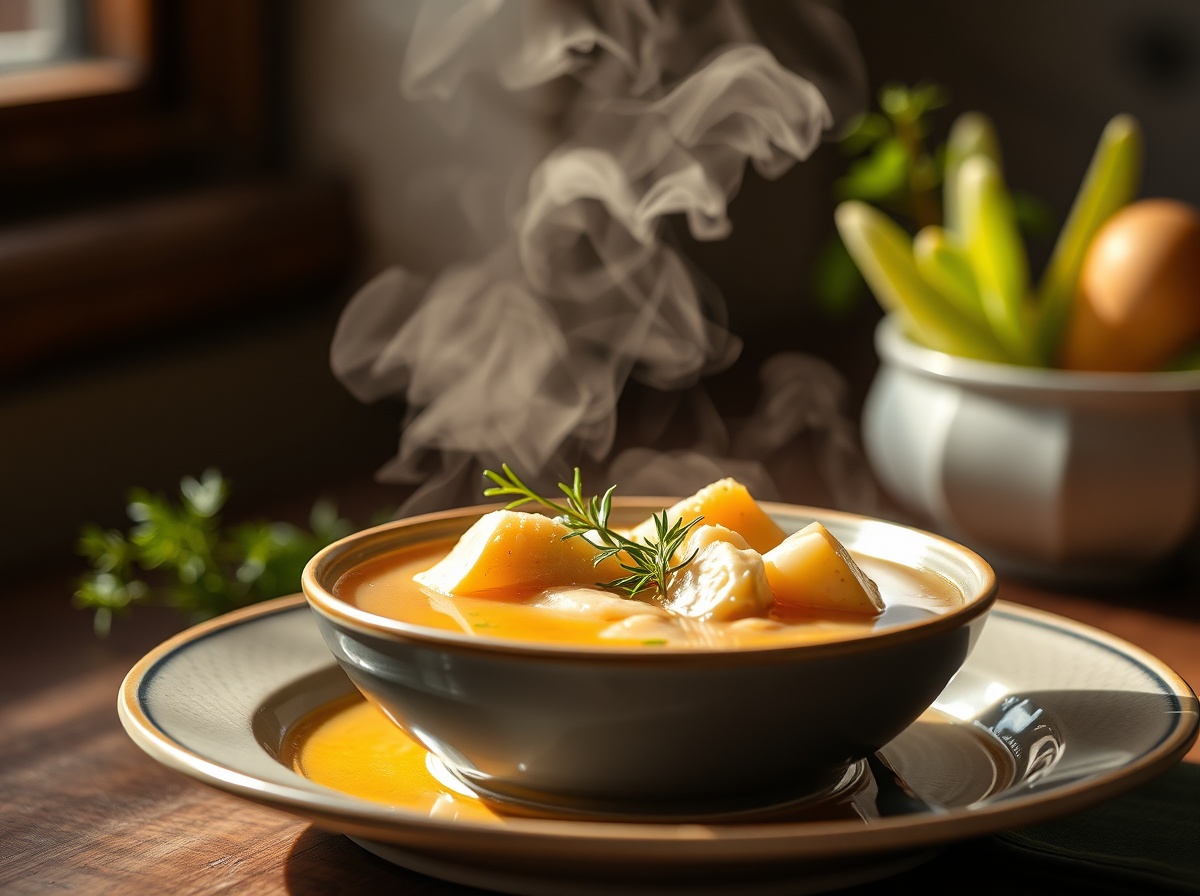
Preparing homemade bone broth requires patience, but the hands-on time is minimal:
– Preparation: 20-30 minutes
– Cooking time: 12-24 hours (stovetop or slow cooker)
– Cooling/straining: 1 hour
– Total time: 13-25 hours
While this may seem lengthy compared to opening a carton from the store, the active preparation time is brief. The extended simmering happens while you go about your day or even sleep, requiring only occasional checks.
How to Make Chicken Bone Broth (Step-by-Step)
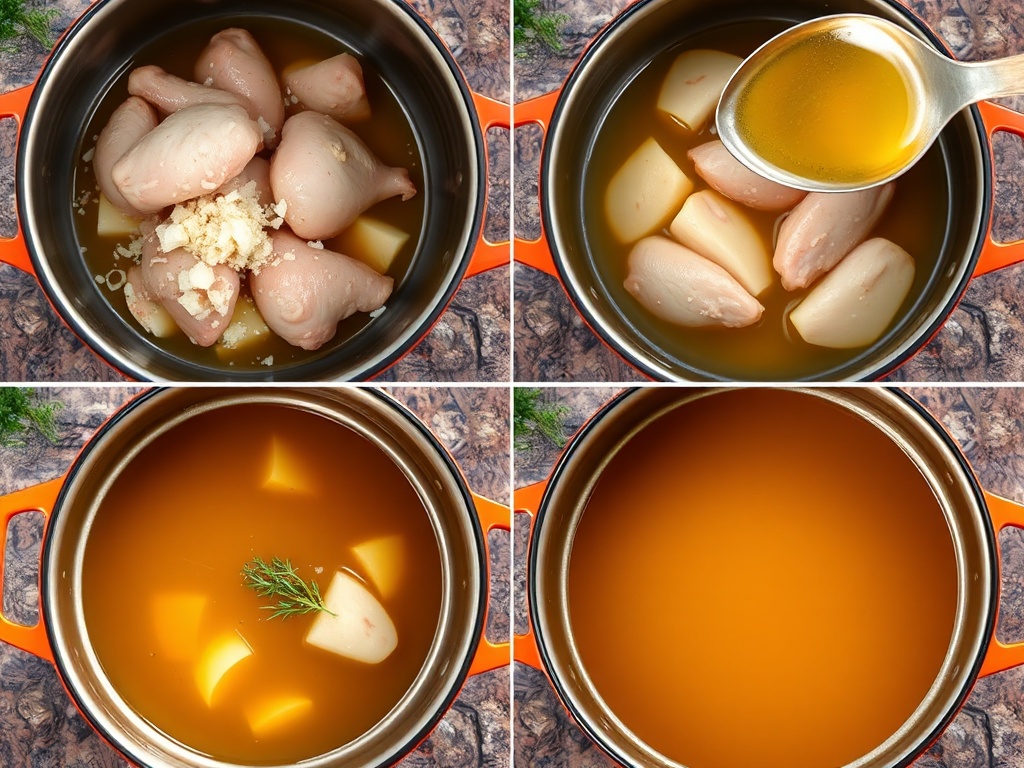
1. Roast the bones (optional but recommended): Preheat oven to 400°F and spread chicken bones on a baking sheet. Roast for 30 minutes until golden brown for deeper flavor.
2. Prepare the pot: Transfer roasted bones to your stockpot or slow cooker. Add all vegetables, garlic, bay leaves, peppercorns, and herbs.
3. Add vinegar and water: Pour apple cider vinegar over ingredients (this helps extract minerals from the bones), then add cold filtered water until everything is covered by about 2 inches.
4. Bring to a boil: Over high heat, bring the chicken bone broth recipe mixture to a rolling boil, then immediately reduce to a gentle simmer.
5. Skim the surface: During the first hour of cooking, use a skimmer to remove any foam or impurities that rise to the surface. This ensures a clearer chicken stock chicken.
6. Simmer slowly: Maintain a very low simmer for 12-24 hours. The longer you cook, the more flavorful and nutrient-dense your broth will become.
7. Strain the broth: Line a fine-mesh strainer with cheesecloth (optional) and place over a large bowl. Carefully pour the broth through to remove all solids.
8. Cool and store: Allow the broth to cool before refrigerating or freezing in appropriate containers.
Nutritional Benefits of Chicken Bone Broth
Homemade bone broth offers remarkable health benefits:
– Rich in collagen and gelatin, supporting joint and gut health
– Contains valuable minerals like calcium, magnesium, and phosphorus
– Offers amino acids that support immune function
– May help reduce inflammation and improve digestion
– Contains no artificial preservatives or excessive sodium
– Delivers genuine flavor that enhances any dish
Expert Tips for the Best Chicken Bone Broth
– For deeper flavor, roast vegetables alongside the bones before adding to the pot
– Add mushrooms for an umami boost
– Try different herb combinations (sage, oregano, tarragon)
– For Asian-inspired broth, include ginger, star anise, and lemongrass
– Make in a pressure cooker for a faster version (2-3 hours)
– For clearer broth, avoid vigorous boiling which can cloud the liquid
– Freeze broth in ice cube trays for small portions perfect for sauces
Common Mistakes When Making Chicken Bone Broth
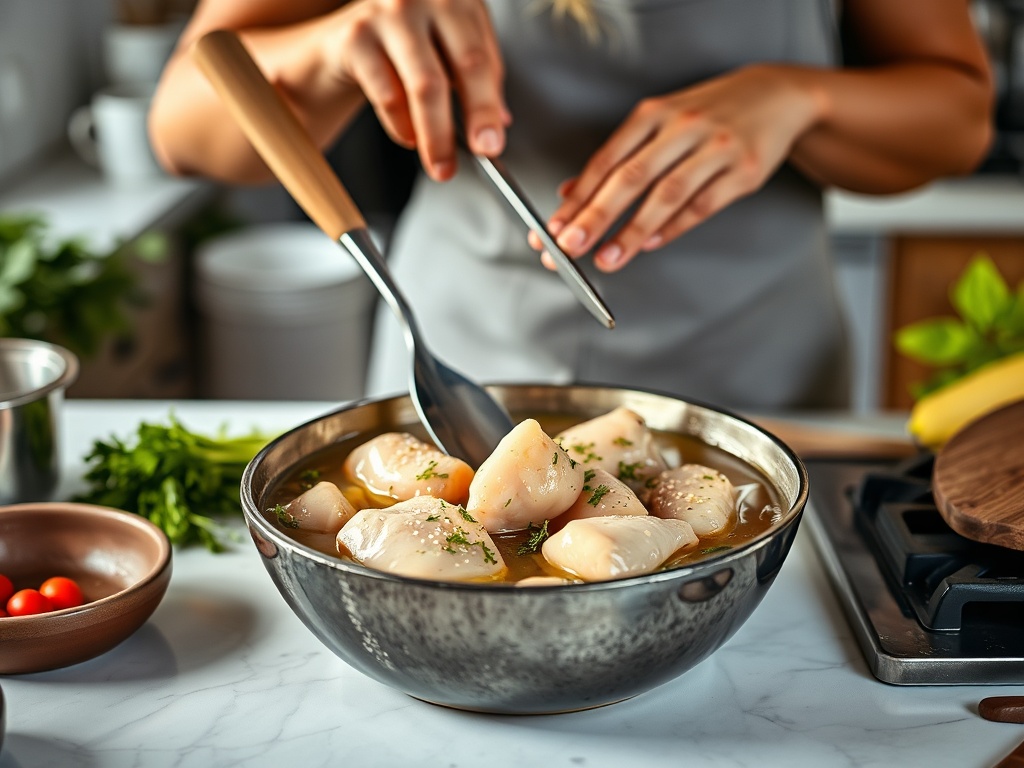
1. Boiling instead of simmering: Rapid boiling creates cloudy broth with off-flavors. Always maintain a gentle simmer.
2. Not skimming the foam: Removing impurities during the first hour ensures cleaner flavor.
3. Using too little water: As broth reduces, add more water to keep bones covered.
4. Seasoning too early: Add salt toward the end to avoid over-concentration as the liquid reduces.
5. Overcrowding the pot: Give ingredients enough space for proper extraction and circulation.
How to Store Chicken Bone Broth
– Refrigerate broth for up to 5 days in airtight containers
– Freeze for up to 6 months in freezer-safe containers, leaving 1-inch headspace
– A layer of fat on refrigerated broth is normal and helps preserve it
– Divide into various portion sizes for different cooking needs
– For extra-long storage, reduce broth further to create a concentrated base
Conclusion
Creating your own homemade chicken bone broth recipe is a rewarding kitchen skill that connects you to traditional cooking methods while providing exceptional nutrition. Once you experience the rich, complex flavors and gelatinous texture of properly made chicken stock chicken, you’ll find it difficult to return to store-bought versions. Though the process requires time, the actual hands-on effort is minimal, making this an accessible project even for busy home cooks. Start your bone broth journey today, and discover the difference that homemade liquid gold can make in your cooking and health.
Frequently Asked Questions About Chicken Bone Broth
Why doesn’t my broth gel when refrigerated?
A lack of gelatin usually indicates either too much water or insufficient collagen-rich bones. Try adding chicken feet or wings, which contain more gelatin, or reduce the water ratio.
Can I make bone broth in a slow cooker?
Absolutely! Set your slow cooker to low for 24 hours, adding water as needed if too much evaporates.
Is it necessary to use apple cider vinegar?
The acid helps extract minerals from the bones. If you don’t have apple cider vinegar, lemon juice or white wine vinegar works similarly.
How can I tell when my bone broth is done?
The broth should be rich in color and flavor, and the bones should become soft and possibly crumble when pressed.
Can I reuse bones for another batch of broth?
Yes! You can reuse bones for a second batch, though the resulting broth will be less rich. This is sometimes called “remouillage” or “second stock.”