Homemade Chicken Seasoning Recipe (All-Purpose)
I started making Chicken Seasoning Recipe after a weeknight dinner that went completely wrong. I had to improvise, and what came out of that experiment is now one of the most-requested meals in my house.
Many home cooks struggle to achieve that perfect blend of herbs and spices that makes chicken truly memorable. With this best chicken seasoning blend, you’ll transform ordinary poultry into restaurant-quality meals that your family will request again and again.
Table of Contents
Ingredients for Chicken Seasoning
Chef’s note: After testing this recipe at least a dozen times, I’ve found that the secret is giving it a proper rest before serving.
Core Spices:
– 2 tablespoons paprika (sweet or smoked)
– 1 tablespoon garlic powder
– 1 tablespoon onion powder
– 1 tablespoon dried thyme
– 1 tablespoon dried oregano
– 2 teaspoons salt (kosher preferred)
– 1 teaspoon black pepper
– 1 teaspoon cayenne pepper (adjust to taste)
– 1 teaspoon dried rosemary
– 1 teaspoon brown sugar (optional)
Equipment:
– Small mixing bowl
– Measuring spoons
– Whisk or fork for mixing
– Airtight storage container or spice jar
– Optional: spice grinder for whole spices
– Optional: funnel for transferring to jars
Optional Add-ins:
– Dried sage (½ teaspoon)
– Ground cumin (1 teaspoon)
– Dried basil (1 teaspoon)
– Lemon pepper (1 teaspoon)
– Smoked paprika (to replace regular paprika)
How Long Does Chicken Seasoning Take to Make?
Preparation Time: 5-7 minutes
Mixing Time: 2-3 minutes
Total Time: Under 10 minutes
This seasoning blend comes together much faster than a trip to the grocery store to buy pre-made versions! The active preparation takes just minutes, and once complete, your blend will be ready to use immediately or store for future meals. Make a double or triple batch to keep on hand for quick weeknight cooking.
How to Make Chicken Seasoning (Step-by-Step)
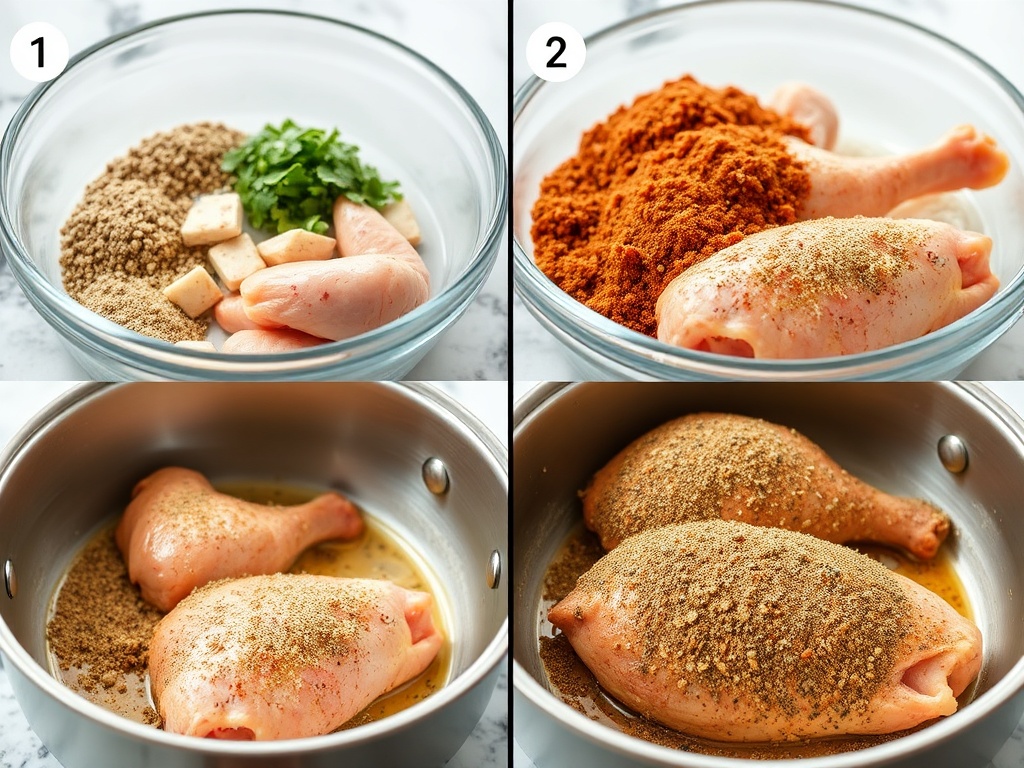
1. Gather all ingredients: Ensure all spices are fresh for the most potent flavor. Old spices lose their intensity and can make your chicken seasoning recipe fall flat.
2. Measure precisely: Use proper measuring spoons rather than eyeballing amounts to achieve consistent results every time.
3. Combine in bowl: Add all spices to your mixing bowl, making sure to break up any clumps in the brown sugar if using.
4. Mix thoroughly: Use a whisk or fork to blend all ingredients until the color appears uniform throughout. This ensures the best chicken seasoning will have balanced flavor in every pinch.
5. Taste test: Sprinkle a tiny amount on your finger and taste, adjusting salt, heat, or sweetness as needed.
6. Transfer to storage container: Use a funnel if needed to avoid waste and spillage.
7. Label and date: Write the creation date on your container to track freshness.
Nutritional Benefits of Chicken Seasoning
This homemade seasoning blend offers several health advantages over store-bought versions:
– No preservatives or additives typically found in commercial blends
– Lower sodium option since you control the salt content
– Anti-inflammatory properties from herbs like rosemary and thyme
– Antioxidant-rich thanks to paprika and oregano
– Metabolism-boosting properties from cayenne pepper
– No fillers or anti-caking agents commonly found in packaged seasonings
Expert Tips for the Best Chicken Seasoning
– For extra flavor depth: Toast whole spices in a dry pan before grinding them
– Lower sodium version: Reduce salt and add nutritional yeast for umami flavor
– Kid-friendly blend: Omit cayenne and use less black pepper
– Citrus variation: Add 1 teaspoon of dried lemon or orange zest
– Italian-style blend: Double the oregano and add 1 teaspoon of dried basil
– BBQ variation: Add 1 teaspoon of smoked paprika and increase brown sugar to 2 teaspoons
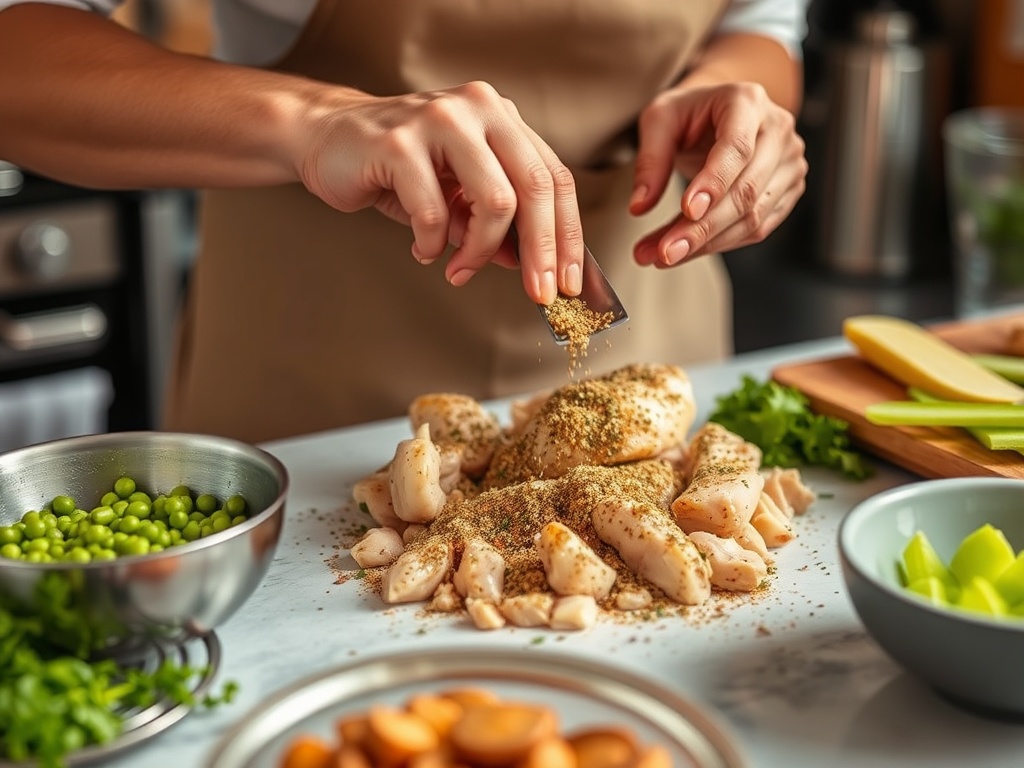
– Apply to chicken: Use approximately 1 tablespoon per pound of chicken
Common Mistakes When Making Chicken Seasoning
1. Using old spices: Check your spice cabinet dates – most ground spices lose potency after 6-12 months.
2. Over-salting: Add salt gradually as you can always add more but can’t take it away.
3. Inconsistent measuring: “Eyeballing” ingredients leads to inconsistent results batch to batch.
4. Improper storage: Keeping spice blends in clear containers near heat or light degrades quality.
5. Applying to wet chicken: Pat chicken dry before seasoning for better adhesion and browning.
How to Store Chicken Seasoning
Store your homemade seasoning in an airtight container in a cool, dark place like a cupboard away from the stove. Properly stored, this blend will maintain optimal flavor for:
– 3-4 months in a regular container
– 4-6 months in an airtight spice jar
– 6-12 months if stored in the freezer
Never use wet spoons to scoop the seasoning as moisture will cause clumping and potential spoilage.
Conclusion
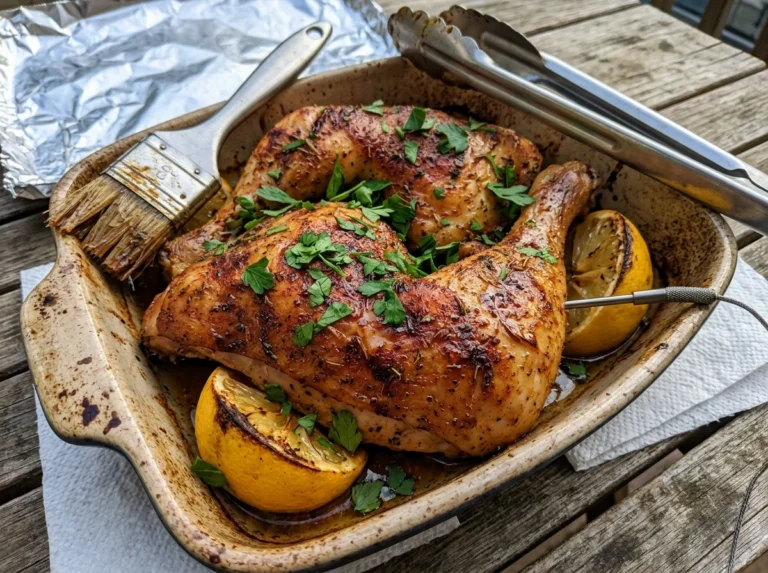
Creating your own chicken seasoning recipe is a simple yet transformative step toward elevating your home cooking. This versatile blend works beautifully on grilled, baked, or air-fried chicken and can even enhance roasted vegetables or homemade salad dressings. The best part about crafting your own best chicken seasoning at home is the ability to adjust flavors exactly to your family’s preferences. We’d love to hear how this recipe works for you – share your results or flavor variations in the comments below!
Frequently Asked Questions About Chicken Seasoning
How long will homemade chicken seasoning last?
When stored properly in an airtight container away from heat and light, your homemade seasoning will maintain peak flavor for 3-6 months.
Can I use this seasoning on other meats besides chicken?
Absolutely! This versatile blend works wonderfully on turkey, pork, and even firm white fish. Try it on roasted vegetables too.
Is this seasoning blend spicy?
With the recommended amount of cayenne, it has a mild kick. You can easily adjust the heat level by increasing or decreasing the cayenne pepper.
Do I need to oil the chicken before applying the seasoning?
A light coating of oil helps the seasoning adhere better to the chicken and promotes browning. However, it’s not absolutely necessary for all cooking methods.
Can I make this seasoning salt-free?
Yes! Simply omit the salt and consider adding more herbs or a salt substitute like nutritional yeast for added flavor depth.