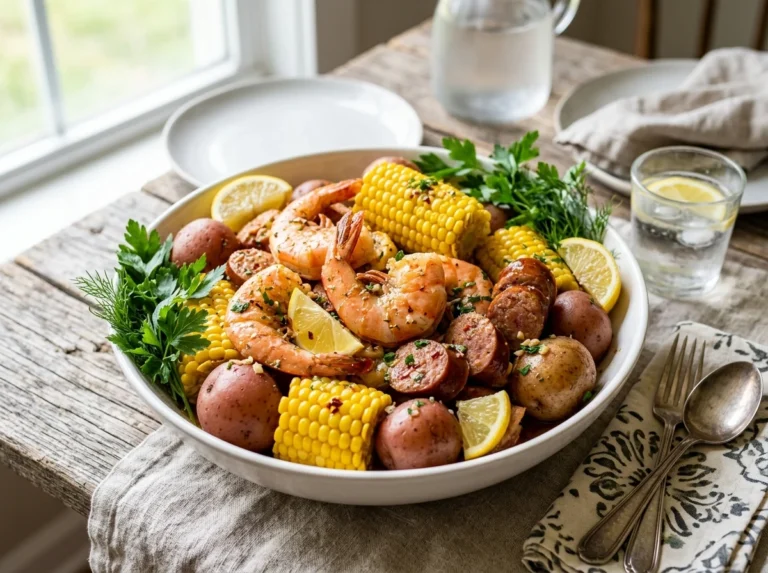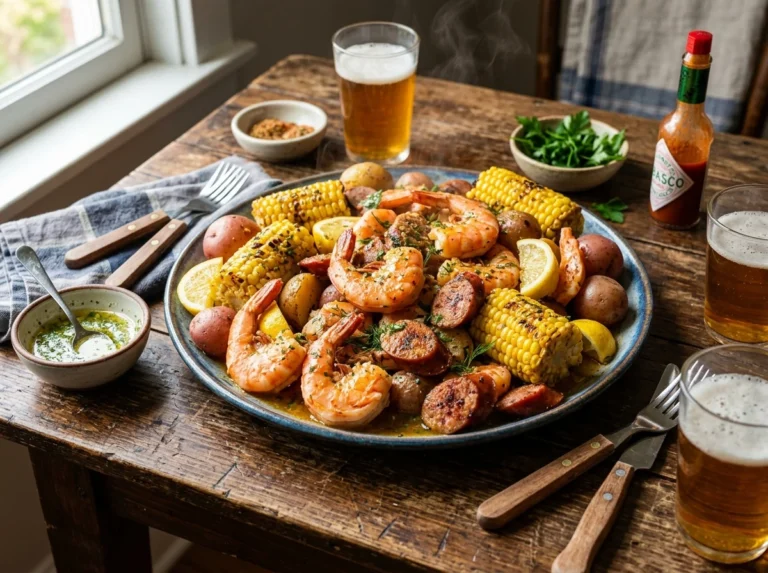
Fish gumbo guide with simple cooking tips
If you’ve been searching for a Fish gumbo guide with simple cooking tips recipe that actually delivers on its promise, this is it. I’ve tried enough disappointing versions to know what makes this one work.
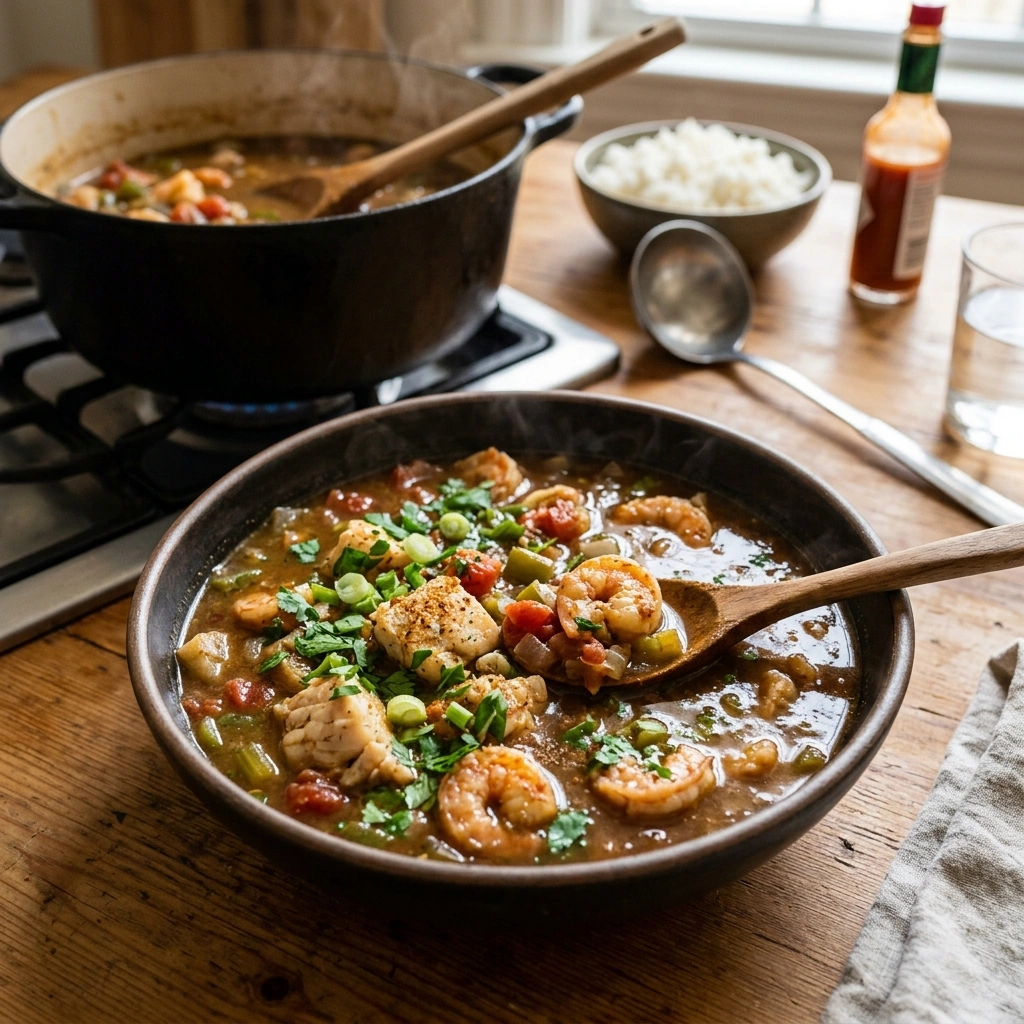
Table of Contents
Ingredients for Fish gumbowith cooking tips
Chef’s note: Seafood has always been a big part of my cooking, especially for weekend gatherings.
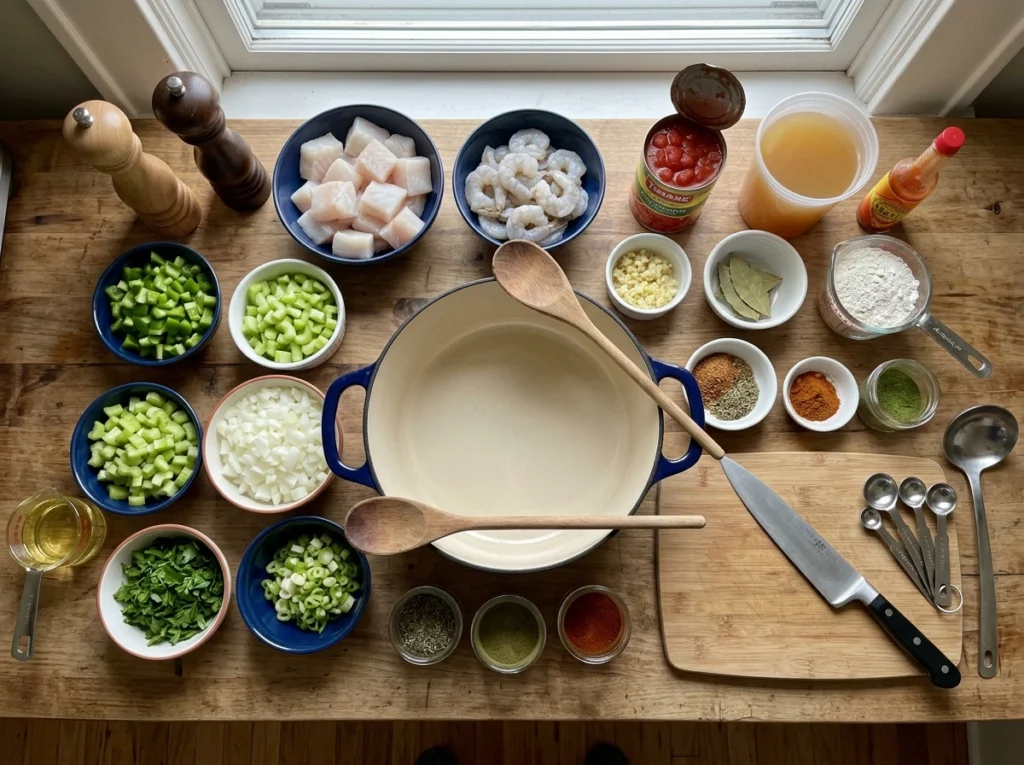
Ingredients:
– 1 pound white fish fillets (cod, halibut, or catfish), cut into chunks
– 1/2 pound shrimp, peeled and deveined
– 1/2 cup vegetable oil
– 1/2 cup all-purpose flour
– 1 large onion, diced
– 1 green bell pepper, diced
– 2 celery stalks, diced
– 4 cloves garlic, minced
– 1 can (14.5 oz) diced tomatoes
– 4 cups seafood stock (chicken stock works as an alternative)
– 2 bay leaves
– 1 tablespoon Creole seasoning
– 1 teaspoon dried thyme
– 1/2 teaspoon cayenne pepper (adjust to taste)
– 1 tablespoon filé powder (optional, added after cooking)
– 1/4 cup fresh parsley, chopped
– 3 green onions, sliced
– Salt and pepper to taste
– Hot sauce to serve
Equipment:
– Large heavy-bottomed pot or Dutch oven
– Wooden spoon
– Measuring cups and spoons
– Sharp knife and cutting board
– Ladle for serving
How Long Does Fish gumbowith cooking tips Take to Make?
Prep time for this gumbo is approximately 30 minutes, which includes chopping vegetables and preparing seafood. The cooking process takes about 1 hour and 15 minutes – most of which is simmering time that develops those deep flavors. From start to finish, expect to spend about 1 hour and 45 minutes before serving. This is significantly less time than traditional gumbos that might simmer for 3+ hours, making this recipe perfect for a weekend lunch or special weeknight dinner.
How to Make Fish gumbowith cooking tips (Step-by-Step)
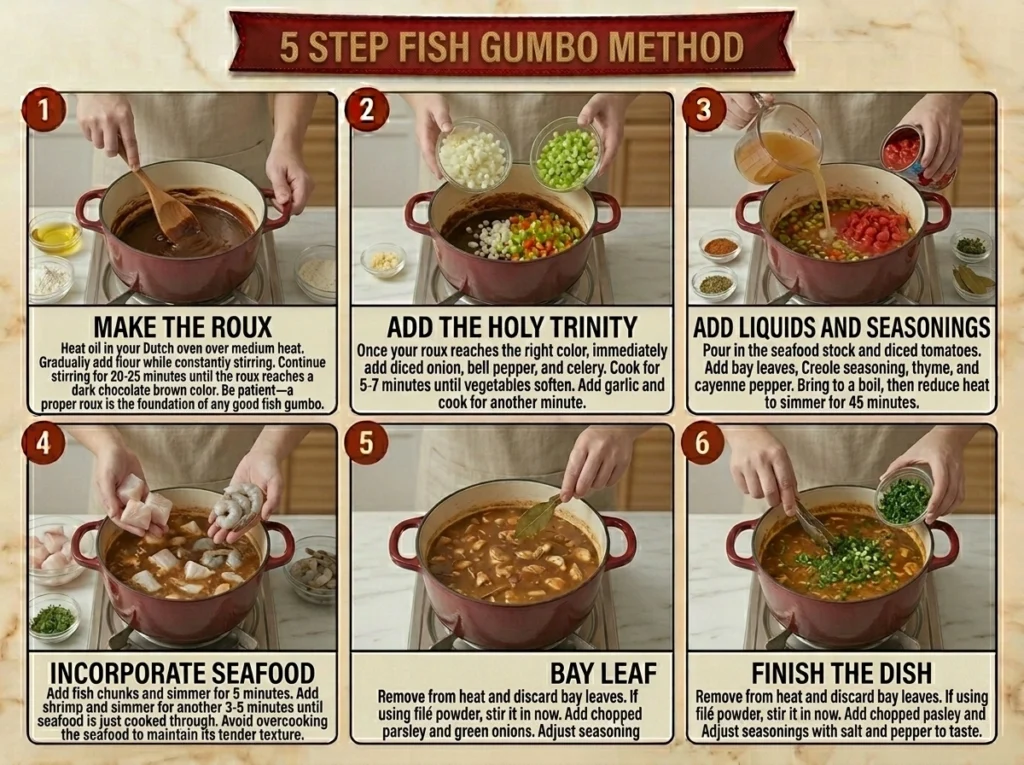
1. Make the roux: Heat oil in your Dutch oven over medium heat. Gradually add flour while constantly stirring. Continue stirring for 20-25 minutes until the roux reaches a dark chocolate brown color. Be patient—a proper roux is the foundation of any good fish gumbo.
2. Add the holy trinity: Once your roux reaches the right color, immediately add diced onion, bell pepper, and celery. Cook for 5-7 minutes until vegetables soften. Add garlic and cook for another minute.
3. Add liquids and seasonings: Pour in the seafood stock and diced tomatoes. Add bay leaves, Creole seasoning, thyme, and cayenne pepper. Bring to a boil, then reduce heat to simmer for 45 minutes.
4. Incorporate seafood: Add fish chunks and simmer for 5 minutes. Add shrimp and simmer for another 3-5 minutes until seafood is just cooked through. Avoid overcooking the seafood to maintain its tender texture.
5. Finish the dish: Remove from heat and discard bay leaves. If using filé powder, stir it in now. Add chopped parsley and green onions. Adjust seasonings with salt and pepper to taste.
Nutritional Benefits of Fish gumbowith cooking tips
This seafood gumbo recipe is packed with lean protein from fish and shrimp. It’s rich in omega-3 fatty acids, which support heart health. The “holy trinity” of vegetables provides essential vitamins, minerals, and fiber. Using homemade stock reduces sodium compared to restaurant versions, and you can further control calories by adjusting the amount of oil used in your roux.
Expert Tips for the Best Fish gumbowith cooking tips
– For a gluten-free version, substitute rice flour for wheat flour in the roux.
– Add okra for additional thickness and authentic flavor.
– Try adding crab or oysters in the final 5 minutes of cooking for a luxurious variation.
– For a healthier option, use a dry roux method by toasting flour in the oven before adding to oil.
– Serve over brown rice instead of white for additional fiber and nutrients.
Common Mistakes When Making Fish gumbowith cooking tips
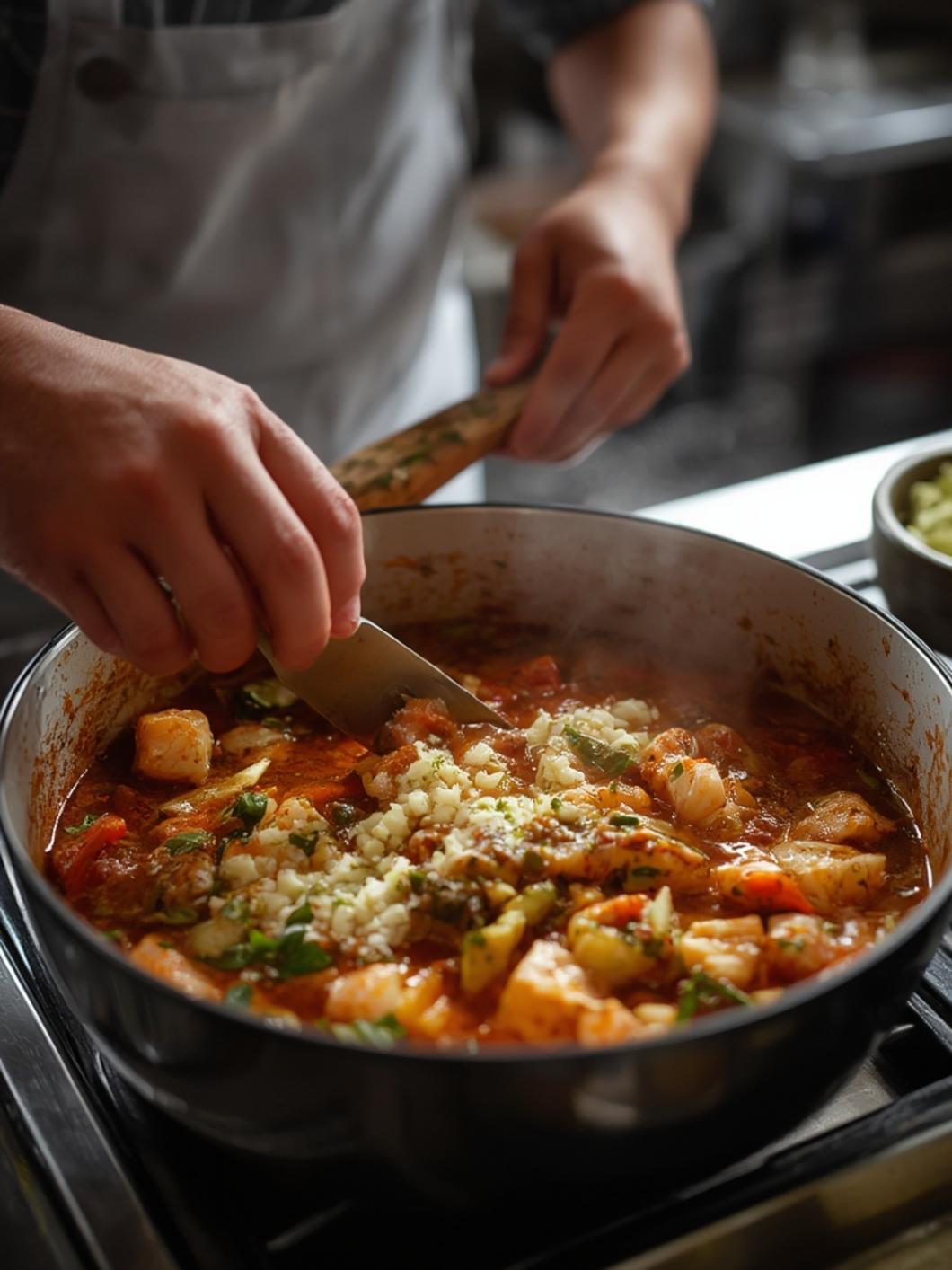
1. Rushing the roux: Never increase the heat to speed up the process. A burnt roux will ruin your gumbo.
2. Overcooking seafood: Add fish and shrimp near the end of cooking to prevent them from becoming tough and rubbery.
3. Underseasoning: Taste and adjust seasonings before adding seafood to ensure a flavorful base.
4. Skipping the simmer: Don’t rush the simmering process as this develops depth of flavor.
How to Store Fish gumbowith cooking tips
Store leftover gumbo in an airtight container in the refrigerator for up to 3 days. The flavor actually improves overnight as ingredients meld together. When reheating, do so gently over medium-low heat to prevent overcooking the seafood. For longer storage, freeze the gumbo base before adding seafood, then add fresh seafood when reheating. This prevents the texture degradation that occurs when freezing cooked fish.
Conclusion
Mastering homemade fish gumbo gives you a versatile, impressive dish perfect for family dinners or entertaining guests. The complex flavors develop through patient cooking and quality ingredients, creating a truly satisfying meal. While it may seem intimidating at first, following these steps will help you create an authentic seafood gumbo recipe that rivals any restaurant version. Try making this classic New Orleans dish this weekend and discover the joy of creating this iconic comfort food at home.
Frequently Asked Questions About Fish gumbowith cooking tips
Can I make gumbo without a roux?
While roux provides the signature flavor and thickness, you can make a lighter version using okra and filé powder as thickeners instead.
What’s the best fish to use in gumbo?
Firm white fish like cod, halibut, or catfish work best as they hold their shape during cooking.
Can I make gumbo ahead of time for a party?
Yes! Make the base a day ahead, then add seafood shortly before serving for the best texture and flavor.
Is filé powder necessary?
No, it’s optional but adds authentic flavor and thickening. You can substitute with additional okra or omit it entirely.
How spicy should gumbo be?
Traditional gumbo has a mild-to-medium heat. Adjust cayenne pepper and hot sauce to your preference.
There are no reviews yet. Be the first one to write one.