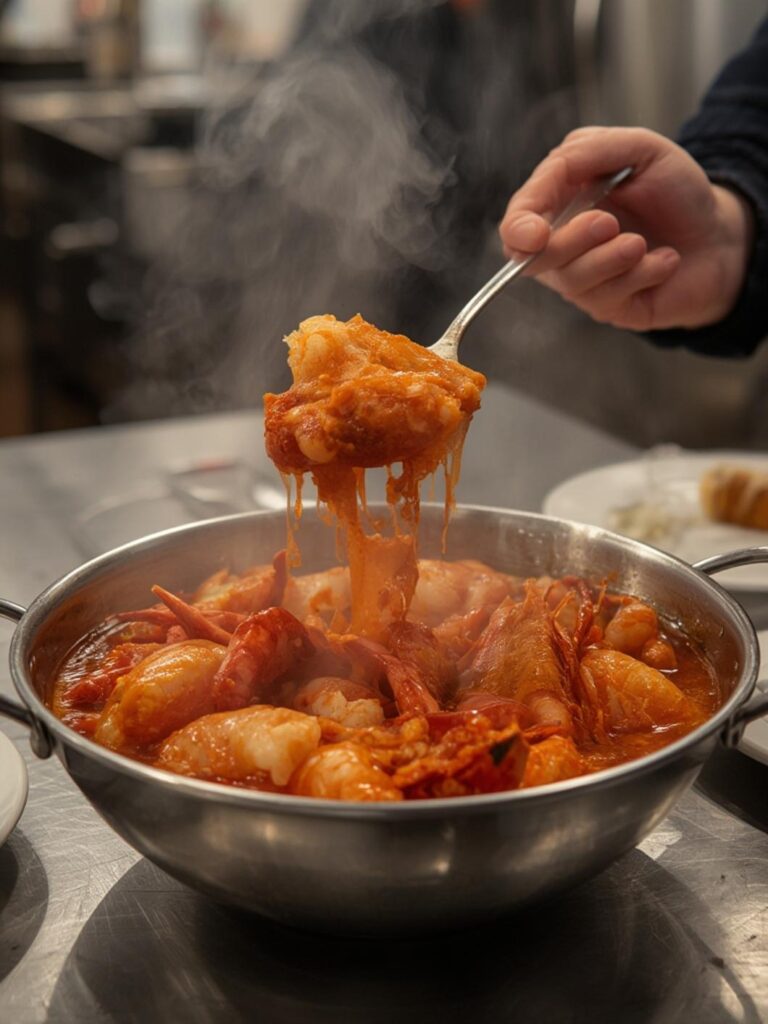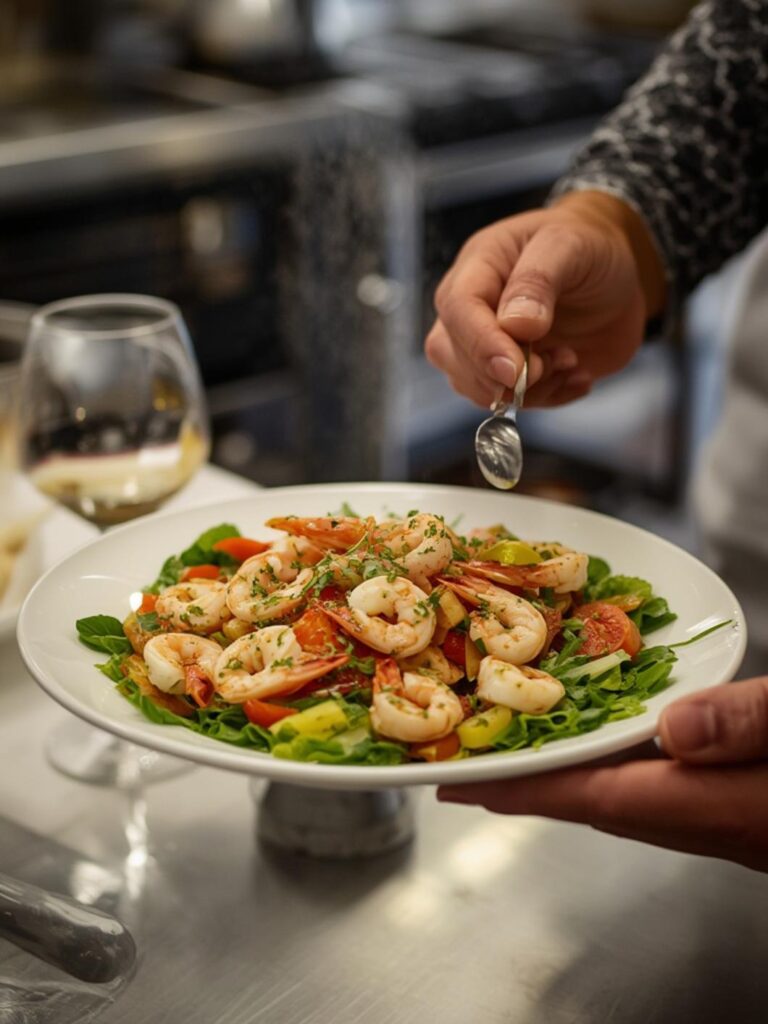
How to make a traditional Cajun gumbo recipe
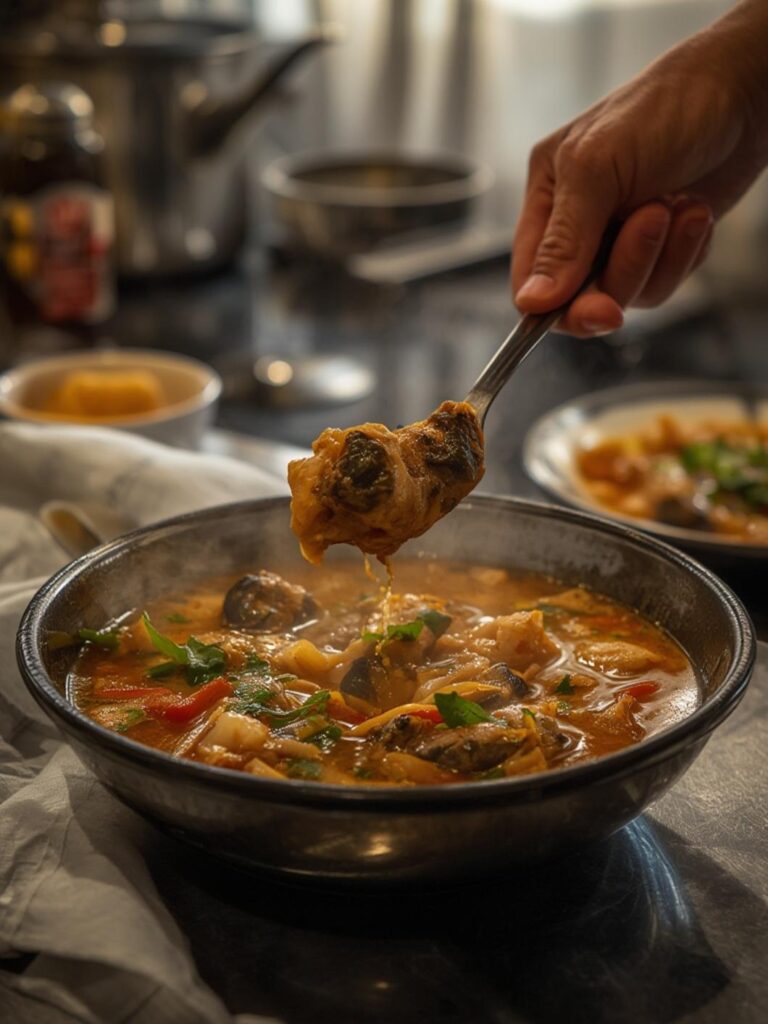
Have you ever craved the rich, comforting flavors of Southern Louisiana cuisine but didn’t know where to begin? Making a cajun gumbo recipe at home allows you to experience the authentic taste of New Orleans without booking a flight. This classic dish combines French, African, and Spanish influences into one hearty pot of goodness. The art of cajun cooking gumbo may seem intimidating at first, but with the right guidance, you’ll be creating this soul-warming stew in your own kitchen with confidence.
Table of Contents
Materials & Supplies
For the Roux:
– 1 cup all-purpose flour
– 1 cup vegetable oil (or bacon fat for authentic flavor)
– Large heavy-bottomed Dutch oven or pot
For the Gumbo:
– 1 lb andouille sausage, sliced
– 1 lb chicken thighs, boneless (optional: 1 lb shrimp, peeled and deveined)
– 2 large onions, diced
– 2 bell peppers, diced
– 4 celery stalks, diced (the “holy trinity” of Cajun cooking)
– 6 cloves garlic, minced
– 2 tablespoons Cajun seasoning
– 1 tablespoon file powder (ground sassafras leaves)
– 1 teaspoon thyme
– 2 bay leaves
– 8 cups chicken broth
– 1 cup okra, sliced (fresh or frozen)
– Green onions and parsley for garnish
– Cooked white rice for serving
– Wooden spoon for stirring the roux
Timing / Cooking Schedule
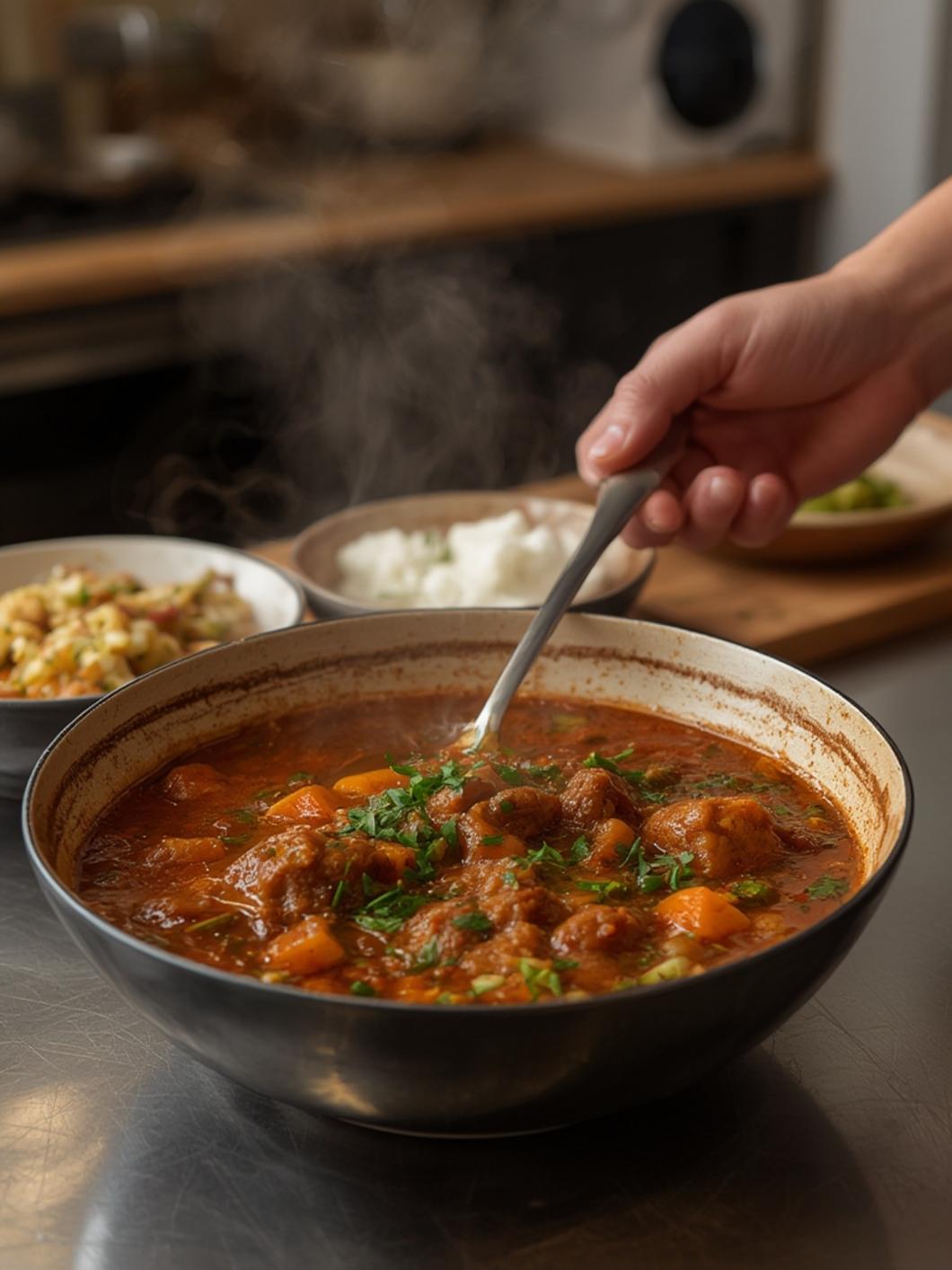
– Preparation: 30 minutes (chopping vegetables and meats)
– Roux development: 30-45 minutes (patience is key here!)
– Simmering time: 1.5-2 hours
– Total time: Approximately 3 hours
– Serves: 8-10 people
Plan to start your gumbo at least 3 hours before serving time. Unlike quick weeknight meals, authentic gumbo develops its distinctive flavor through slow cooking—perfect for weekend cooking when you can enjoy the process.
Step-by-Step Instructions
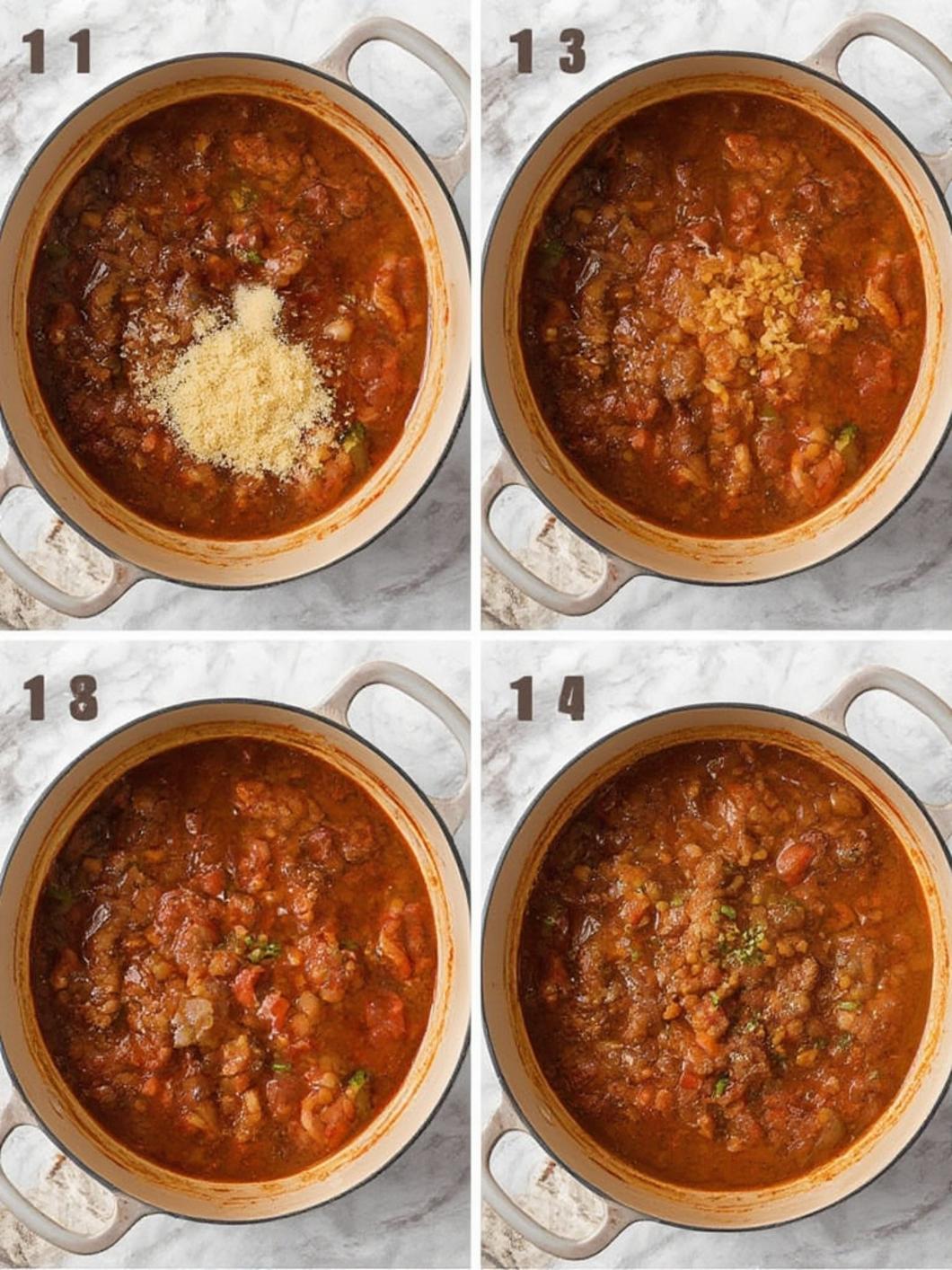
1. Make the roux: In a heavy-bottomed pot, heat oil over medium heat. Gradually whisk in flour and continue stirring constantly for 30-45 minutes until the roux reaches a deep chocolate brown color. Never stop stirring, as burned roux will ruin your cajun gumbo recipe.
2. Prepare the holy trinity: Once your roux reaches the proper color, immediately add onions, bell peppers, and celery. Stir for 5-7 minutes until vegetables soften. Add garlic and cook for another minute.
3. Add proteins: Brown the andouille sausage and chicken pieces in a separate skillet, then add to the pot with vegetables and roux.
4. Season and simmer: Add Cajun seasoning, thyme, bay leaves, and broth. Bring to a boil, then reduce to a simmer. Cover and cook for 1 hour, stirring occasionally.
5. Finish with okra: Add sliced okra during the last 30 minutes of cooking. Traditional cajun cooking gumbo uses okra as a natural thickener.
6. Final touches: Turn off heat, stir in file powder (never boil file powder as it becomes stringy). Adjust seasoning to taste.
Nutritional Benefits / Advantages
This hearty stew offers more than just incredible flavor. The combination of protein from meat and seafood provides essential amino acids, while vegetables add fiber and vitamins. Okra contributes soluble fiber, vitamin C, and antioxidants. When made with seafood, gumbo delivers heart-healthy omega-3 fatty acids. Using homemade stock reduces sodium compared to restaurant versions.
Tips, Alternative Methods, or Cooking Advice
– For a lighter roux, use vegetable oil; for deeper flavor, try duck fat or bacon drippings.
– Make it gluten-free by substituting rice flour for wheat flour in the roux.
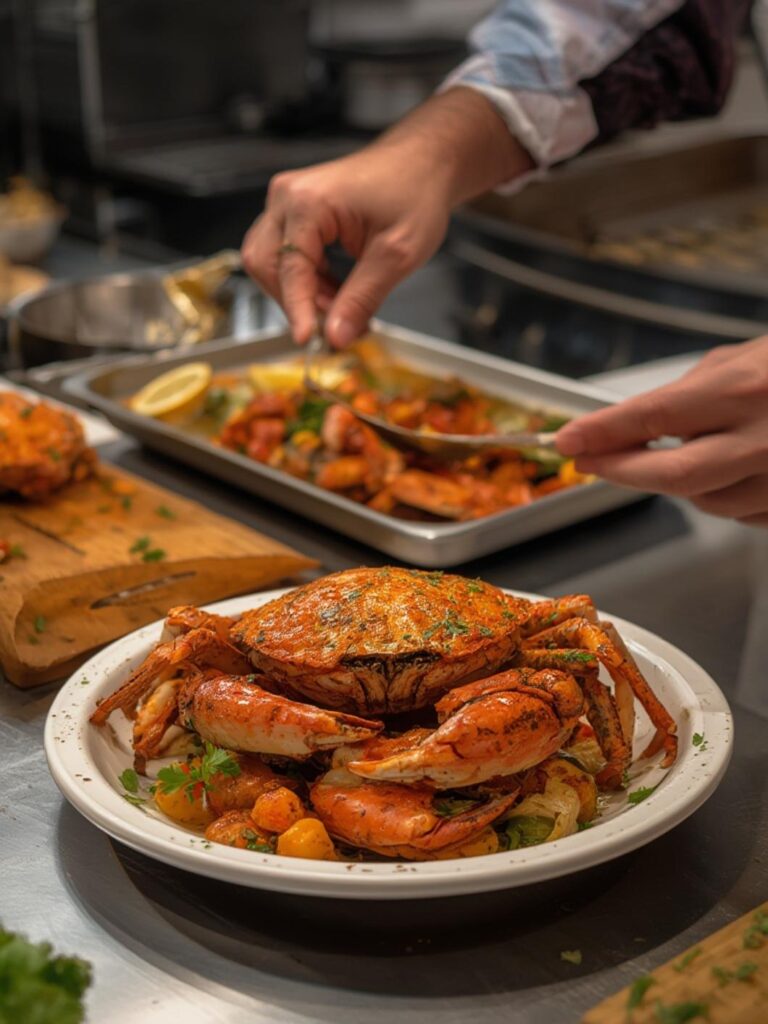
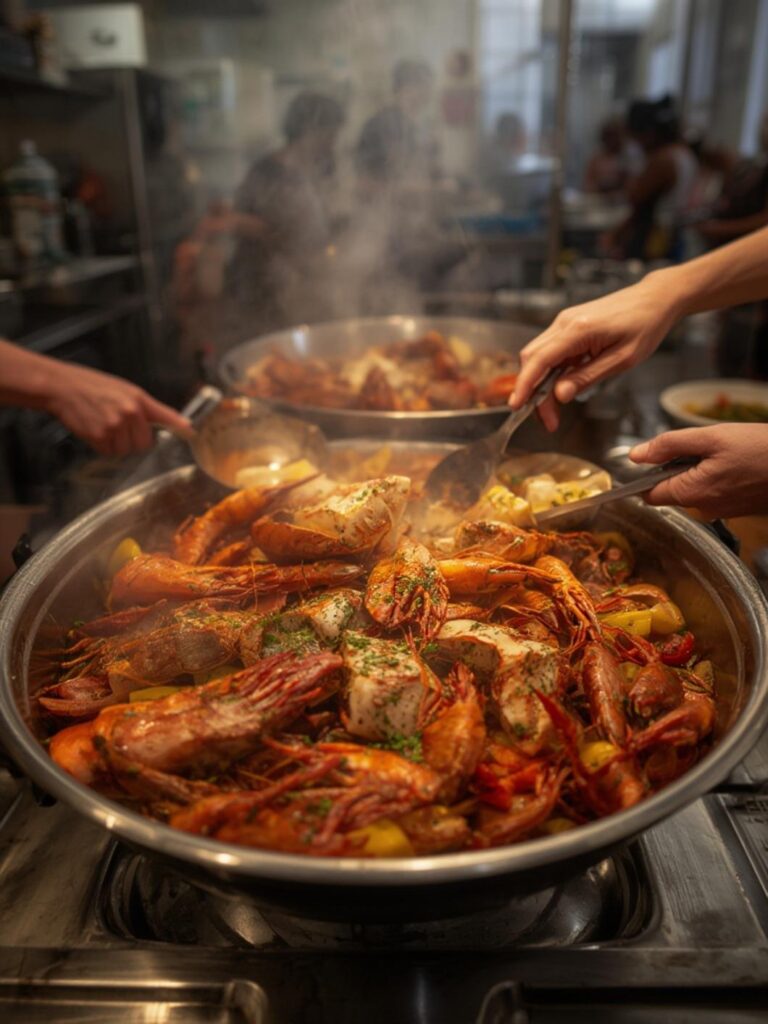
– Seafood variations can include crab, oysters, or crawfish—just add these in the final 5-10 minutes to avoid overcooking.
– For spicier gumbo, add cayenne pepper or hot sauce to taste.
– Vegetarian version: Substitute mushrooms, extra okra, and vegetable broth for a plant-based alternative.
Common Mistakes to Avoid
– Rushing the roux: Never increase heat to speed up roux development; this leads to burning and bitter flavors.
– Underseasoning: Gumbo should be boldly flavored; taste and adjust seasoning throughout cooking.
– Overcrowding the pot: If making a large batch, consider browning meats in batches to ensure proper caramelization.
– Adding file powder too early: Always add at the end of cooking to prevent stringiness.
– Skipping the trinity: Onions, celery, and bell peppers are essential to authentic Cajun flavor.
Storage / Maintenance Tips
Gumbo actually improves with time as flavors meld together. Store leftovers in airtight containers in the refrigerator for up to 4 days. For longer storage, freeze in portion-sized containers for up to 3 months. When reheating, add a splash of chicken broth if the gumbo has thickened too much. Always store gumbo and rice separately to prevent the rice from becoming mushy.
Conclusion
Mastering a cajun gumbo recipe at home connects you with one of America’s most beloved culinary traditions. While it requires time and attention to detail, the reward is an incredibly flavorful dish that brings people together around the table. The beauty of cajun cooking gumbo lies in its adaptability—make it your own while respecting the essential techniques. Why not gather your ingredients this weekend and transport your kitchen to Louisiana? Your taste buds will thank you!
FAQs
Can I make gumbo without okra?
Yes, while traditional gumbo includes okra, you can omit it and rely solely on the roux for thickening. File powder added at the end also helps thicken the gumbo.
How dark should my roux be?
For authentic Cajun gumbo, aim for a chocolate-brown color. Lighter roux creates a more Creole-style gumbo with different flavor notes.
Can I use a slow cooker for gumbo?
You’ll still need to make the roux on the stovetop, but after that step, you can transfer ingredients to a slow cooker and cook on low for 6-8 hours.
Is file powder absolutely necessary?
While it adds authentic flavor, gumbo can be made without file powder. It’s primarily used as a thickener and flavor enhancer but isn’t critical to the recipe’s success.
There are no reviews yet. Be the first one to write one.