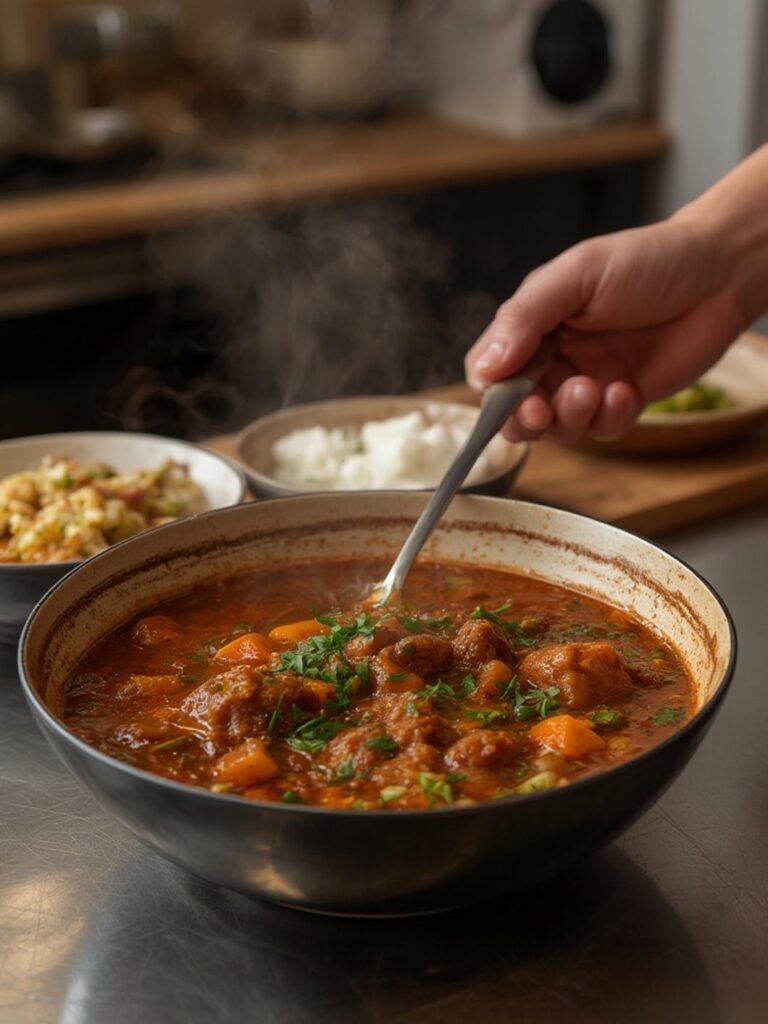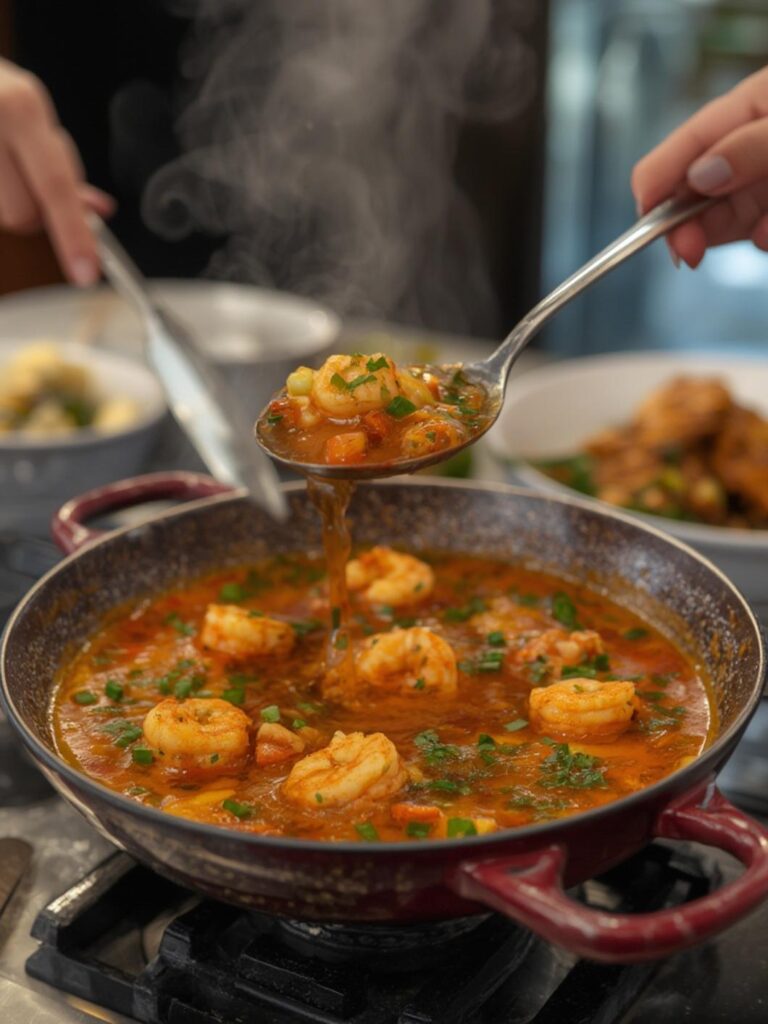
How to prepare roux for gumbo correctly
Have you ever wanted to bring the vibrant flavors of Louisiana right into your kitchen? There’s something magical about the rich, deep flavors of a homemade cajun gumbo recipe that simply can’t be matched by restaurant versions. The heart of any good gumbo lies in perfecting that dark, flavorful gumbo roux – a technique that might seem intimidating but becomes rewarding once mastered. Making this classic Southern dish at home allows you to control the spice level, ingredients, and create a truly personalized bowl of comfort.
Table of Contents
Materials & Supplies
Main Ingredients:
– 1 pound andouille sausage, sliced
– 1 pound shrimp, peeled and deveined
– 1 pound chicken thighs, boneless
– 1 cup all-purpose flour
– 1 cup vegetable oil (for roux)
– 2 large onions, diced
– 2 green bell peppers, diced
– 4 celery stalks, diced (the “holy trinity” of Cajun cooking)
– 8 cloves garlic, minced
– 1 can (14.5 oz) diced tomatoes (optional)
– 8 cups chicken stock
– 2 bay leaves
– 2 tablespoons Cajun seasoning
– 1 tablespoon file powder (ground sassafras)
– Fresh okra, sliced (1 cup)
– Green onions and parsley for garnish
– Cooked white rice for serving
Equipment:
– Large heavy-bottomed Dutch oven or pot
– Wooden spoon (essential for making roux)
– Sharp knife and cutting board
– Measuring cups and spoons
– Ladle for serving
Timing / Cooking Schedule
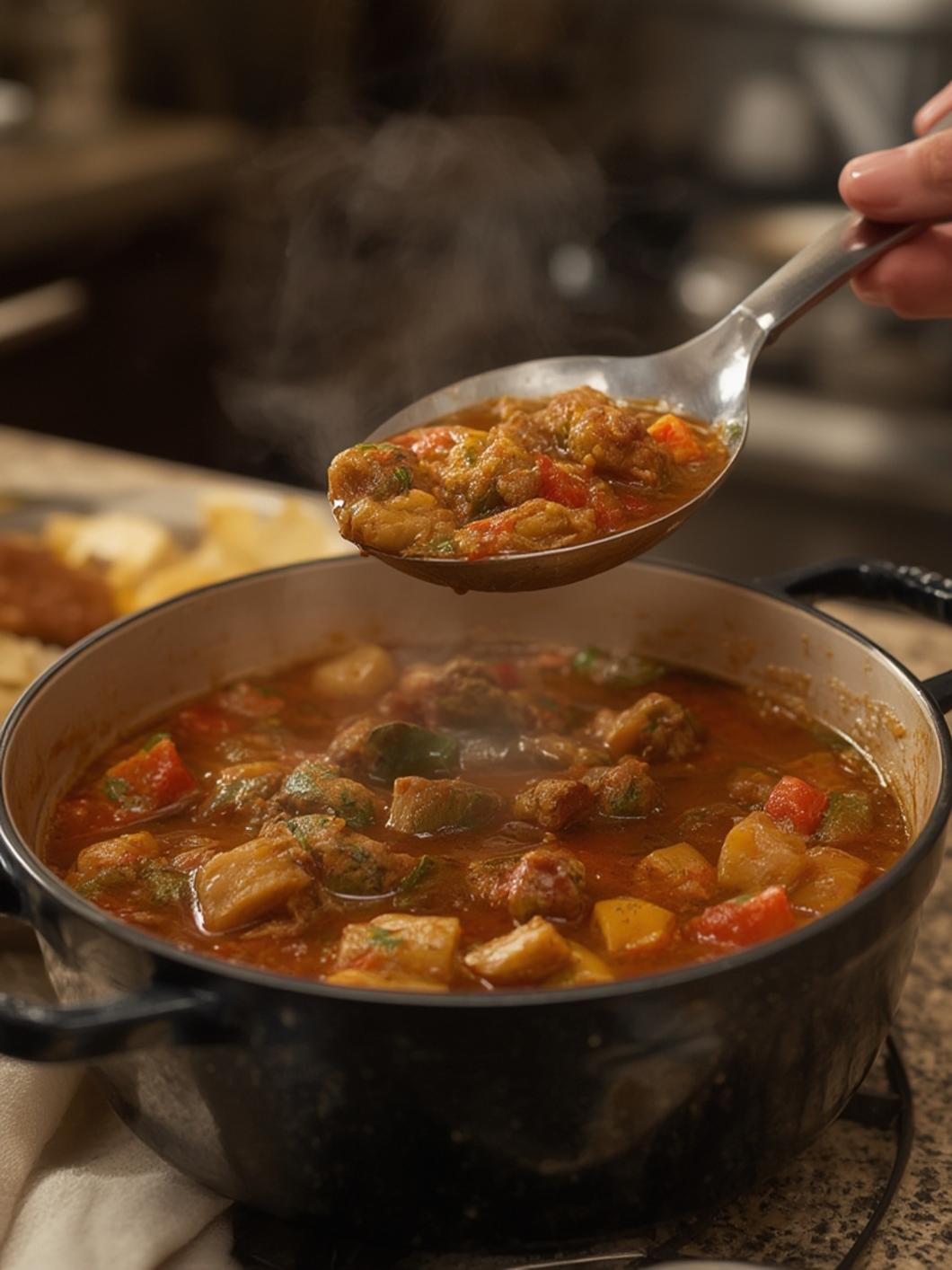
Preparing authentic gumbo requires patience, but the results are well worth it:
– Prep time: 30 minutes (chopping vegetables, preparing proteins)
– Roux development: 30-45 minutes (the most crucial step)
– Simmering time: 1.5-2 hours
– Total time: Approximately 3 hours
Unlike quick weeknight meals, gumbo develops deeper flavors the longer it simmers, making it perfect for weekend cooking when you can enjoy the process.
Step-by-Step Instructions
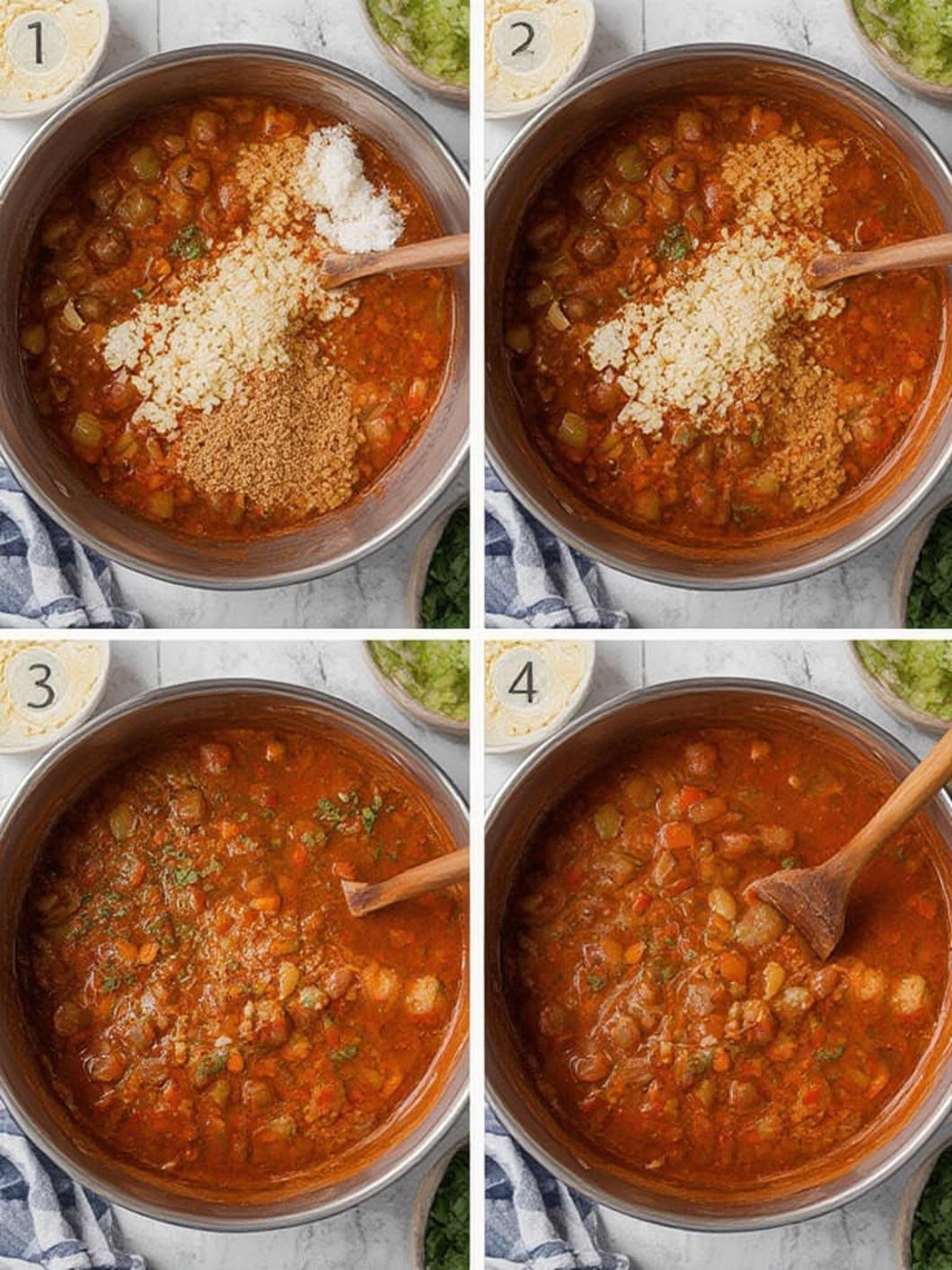
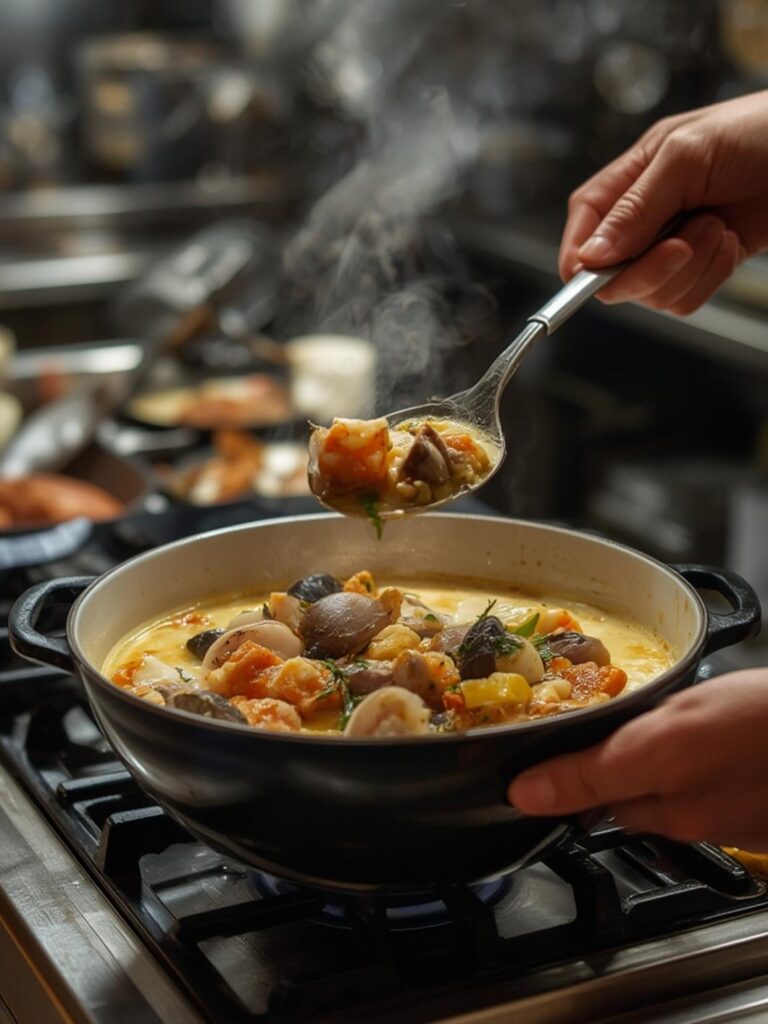
1. Make the Roux: In your Dutch oven, heat oil over medium heat. Gradually whisk in flour until smooth. Cook, stirring constantly (never stop stirring!), until the mixture turns dark chocolate brown, about 30-45 minutes. This gumbo roux is the foundation of your entire cajun gumbo recipe, so don’t rush this step.
2. Add the Holy Trinity: Once your roux reaches the right color, carefully add onions, bell peppers, and celery. They will sizzle vigorously. Stir for 5-7 minutes until vegetables soften.
3. Build Flavor Layers: Add garlic and cook for 30 seconds until fragrant. Then add Cajun seasoning, bay leaves, and tomatoes (if using).
4. Add Stock: Slowly pour in chicken stock while stirring constantly to prevent lumps. Bring to a boil, then reduce to a simmer.
5. Cook Proteins: Add chicken first, simmer for 45 minutes. Then add andouille sausage and okra, simmer for another 30 minutes.
6. Finish with Seafood: In the last 5-10 minutes of cooking, add shrimp and file powder. Cook just until shrimp turns pink.
7. Serve: Ladle gumbo into bowls over white rice. Garnish with green onions and parsley.
Nutritional Benefits / Advantages
Gumbo provides a balanced meal with:
– Lean protein from chicken and seafood
– Vegetables from the trinity mix
– Fiber from okra
– Complex carbohydrates when served with rice
– Essential minerals from seafood components
The varied ingredients create a nutritionally diverse dish that’s satisfying without being overly heavy.
Tips, Alternative Methods, or Cooking Advice
– For a gluten-free version, use rice flour for your roux
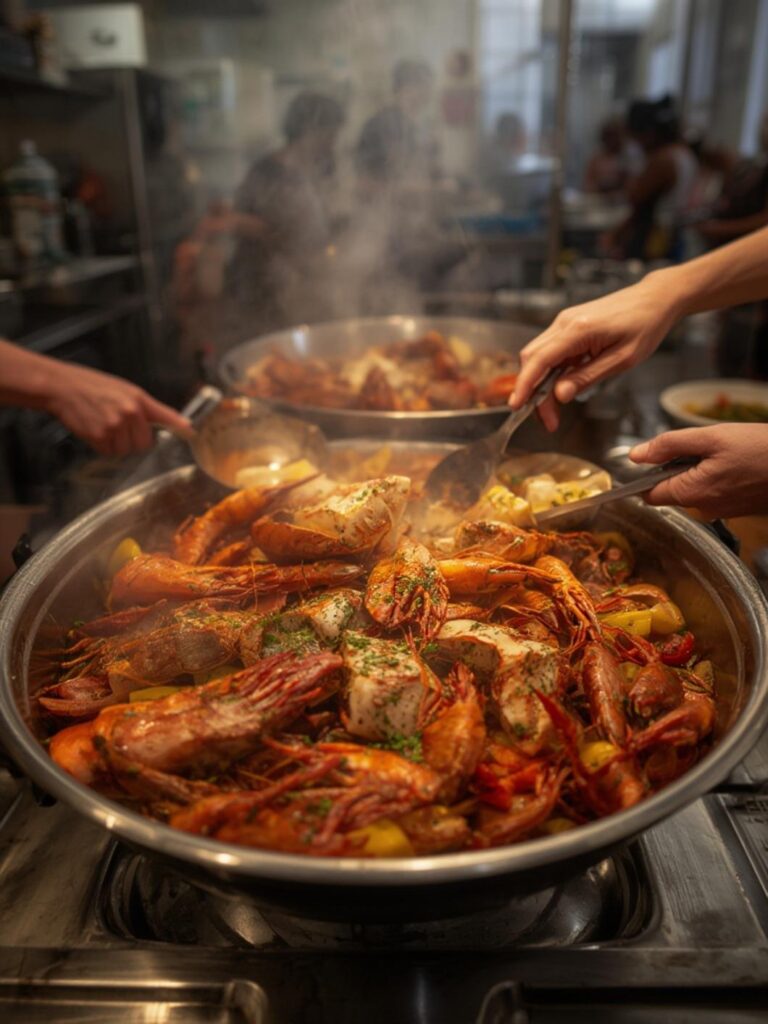
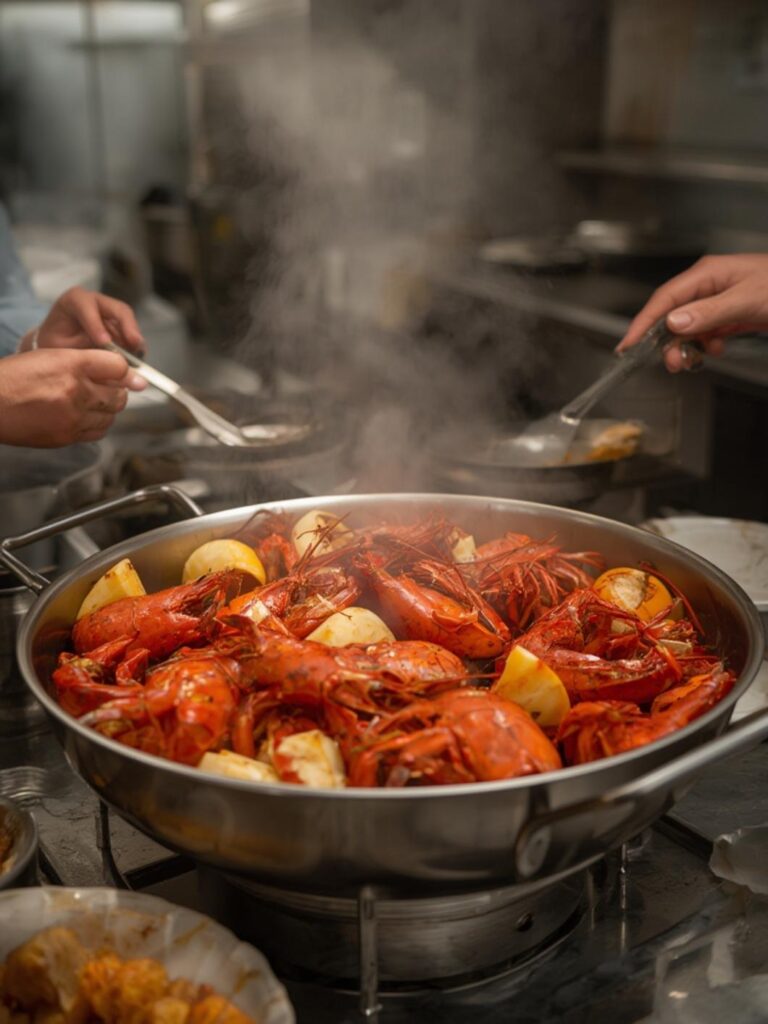
– Substitute crawfish or crab for shrimp for different seafood variations
– Make it extra spicy with additional cayenne pepper
– For a healthier version, use skinless chicken breast and turkey sausage
– Try a different twist with duck or game meat instead of chicken
Common Mistakes to Avoid
1. Rushing the Roux: Never increase the heat to speed up the process. This leads to burning and bitter flavors.
2. Underseasoning: Taste as you go, adjusting salt and spice levels throughout cooking.
3. Overcooking Seafood: Add shrimp only in the final minutes to prevent a rubbery texture.
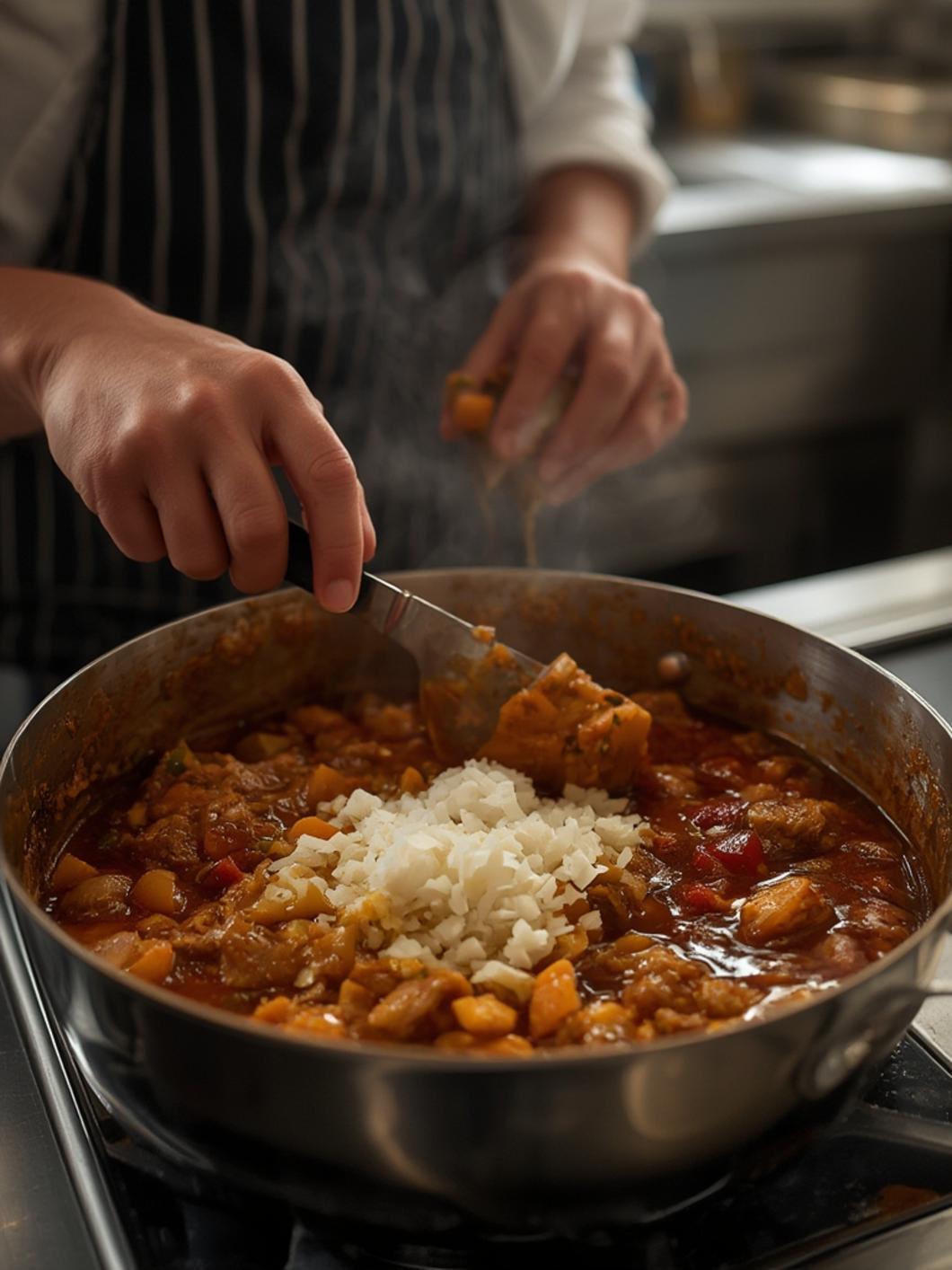
4. Using a Thin Pot: Thin-bottomed pots will cause the roux to burn easily. Always use heavy-bottomed cookware.
Storage / Maintenance Tips
Gumbo actually improves with time! Store leftovers in airtight containers in the refrigerator for up to 3 days. For longer storage, freeze in portion-sized containers for up to 3 months. When reheating, add a splash of chicken broth if it’s too thick, and reheat gently to prevent seafood from overcooking.
Conclusion
Mastering a traditional cajun gumbo recipe with a perfect gumbo roux is a culinary achievement that connects you to generations of Southern cooking traditions. While it takes time and patience, the deep flavors and comforting warmth of a homemade gumbo create an unforgettable dining experience. Each spoonful tells a story of cultural heritage through its complex flavors. Why not gather your ingredients this weekend and embark on this flavorful culinary journey? Your taste buds will thank you!
FAQs
Can I make gumbo without seafood?
Yes! You can make a delicious chicken and sausage gumbo by simply omitting the seafood components and focusing on those proteins instead.
How do I know when my roux is done?
A proper dark roux should resemble the color of melted chocolate or dark peanut butter. If it smells slightly nutty and has a rich brown color, it’s ready.
Can I use a slow cooker for gumbo?
You’ll need to make the roux on the stovetop first, but after that step, you can transfer everything to a slow cooker for 4-6 hours on low.
Is file powder necessary?
While traditional, file powder can be omitted. It acts as a thickener and adds flavor, but the roux will still provide plenty of thickness to your gumbo.
There are no reviews yet. Be the first one to write one.