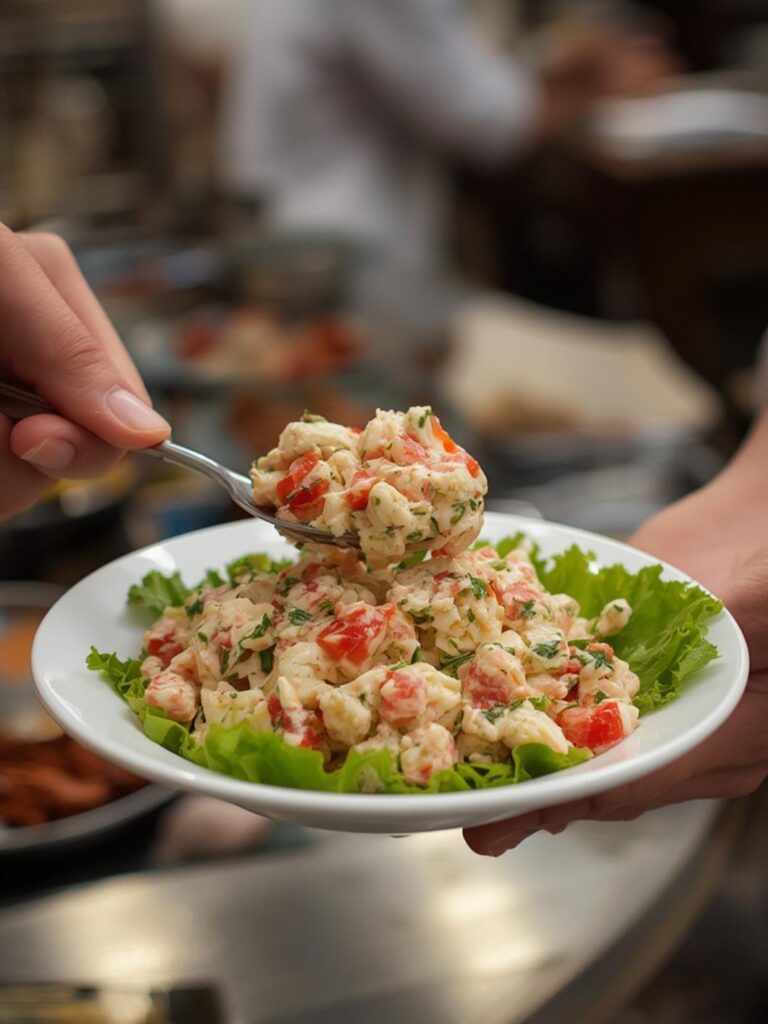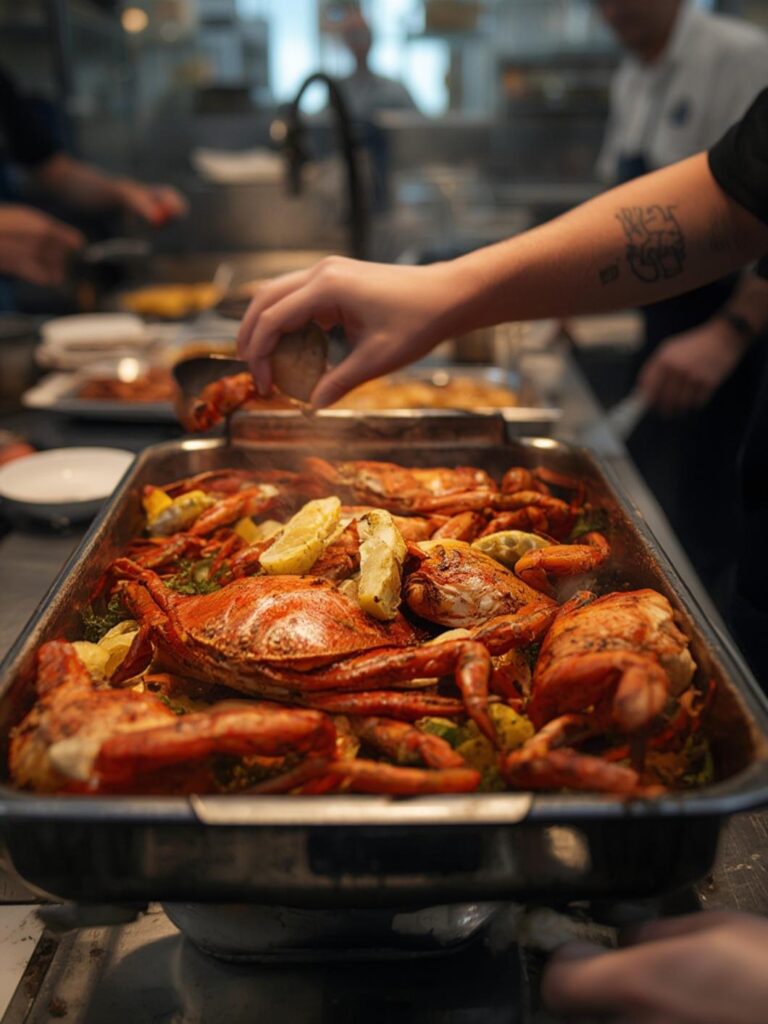
What ingredients do you need for a classic seafood boil?
Have you ever wondered how to recreate the mouthwatering experience of a restaurant seafood boil in your own kitchen? There’s something magical about gathering around a table with friends and family, hands messy and hearts full, as you dig into a steaming pile of perfectly seasoned shellfish. Making a sea food boil at home not only saves money but allows you to customize flavors exactly to your preference. Let’s dive into this classic coastal feast that brings the ocean’s bounty right to your dining table.
Table of Contents
Materials & Supplies
For the Seafood:
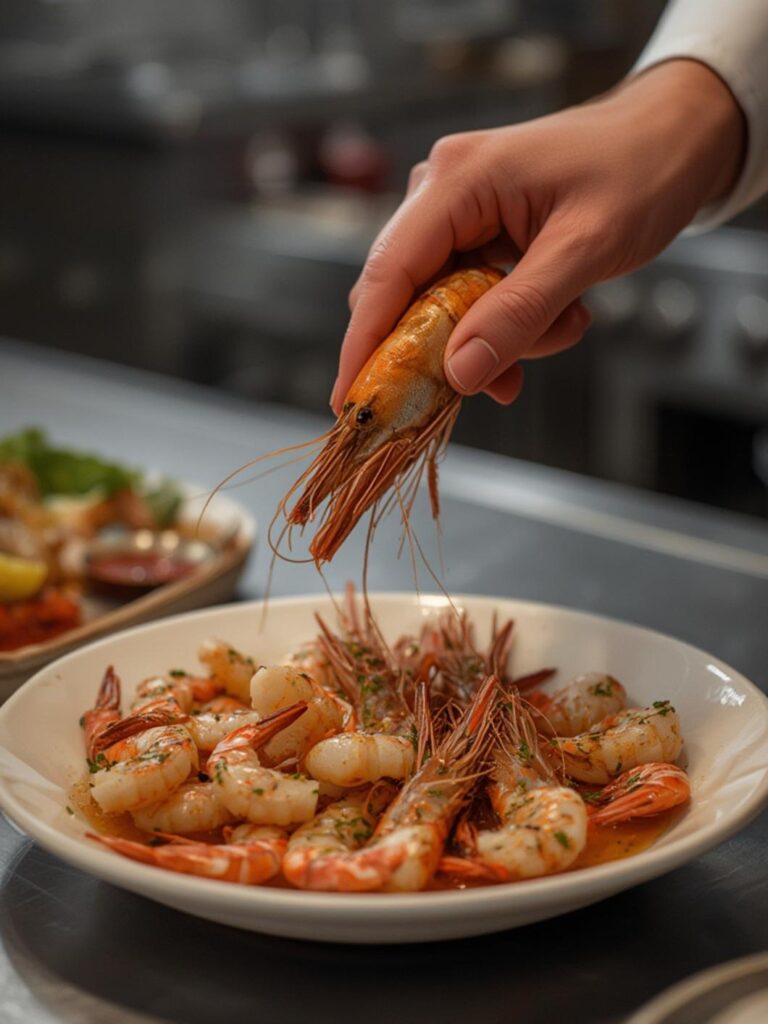
– 1 pound large shrimp, shell-on
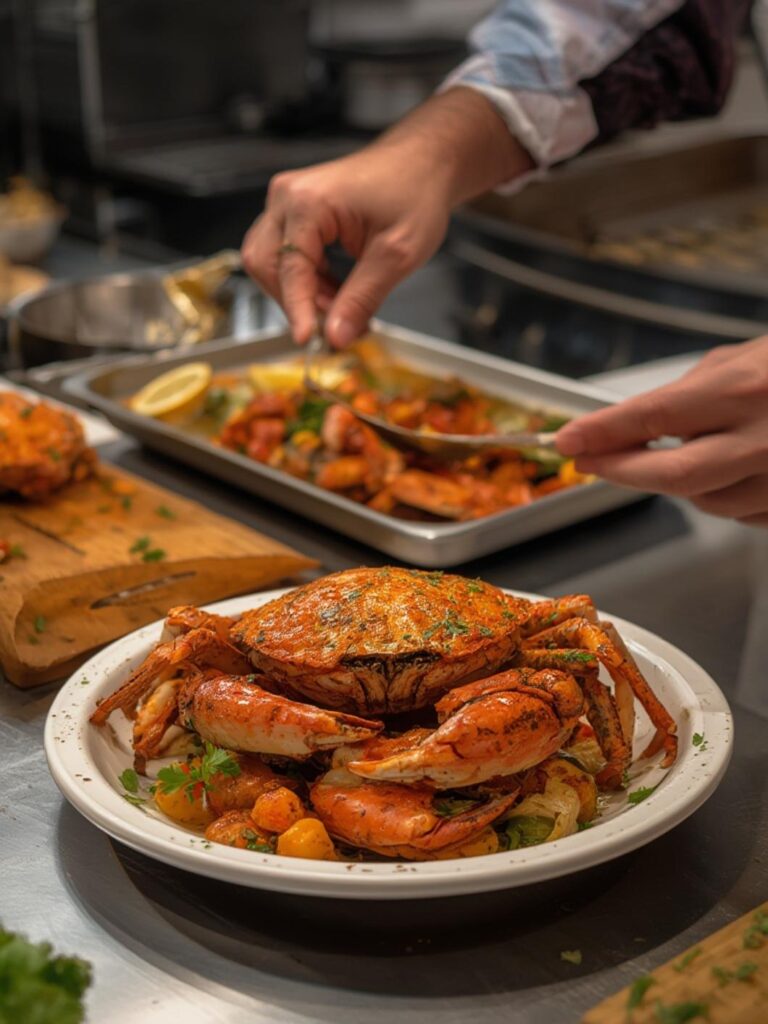
– 1 pound snow crab legs
– 1 pound crawfish (optional)
– 1 pound clams or mussels, cleaned
– 4-6 small lobster tails (optional for luxury version)
For the Boil:
– 4 ears corn, cut into thirds
– 1 pound baby potatoes
– 4-6 links smoked sausage (andouille preferred), cut into 2-inch pieces
– 1 large onion, quartered
– 1 head garlic, top sliced off
– 2-3 lemons, halved
For the Seasoning:
– 2-3 packets seafood boil seasoning (like Zatarain’s or Old Bay)
– 2 tablespoons cayenne pepper (adjust to taste)
– 1 tablespoon paprika
– 2 tablespoons garlic powder
– 2 bay leaves
– 1 tablespoon whole peppercorns
Equipment:
– Large stockpot (at least 12-quart capacity)
– Strainer or spider tool
– Tongs
– Serving tray or newspaper-lined table
– Nutcrackers for crab legs
– Plenty of napkins or paper towels
Timing / Cooking Schedule
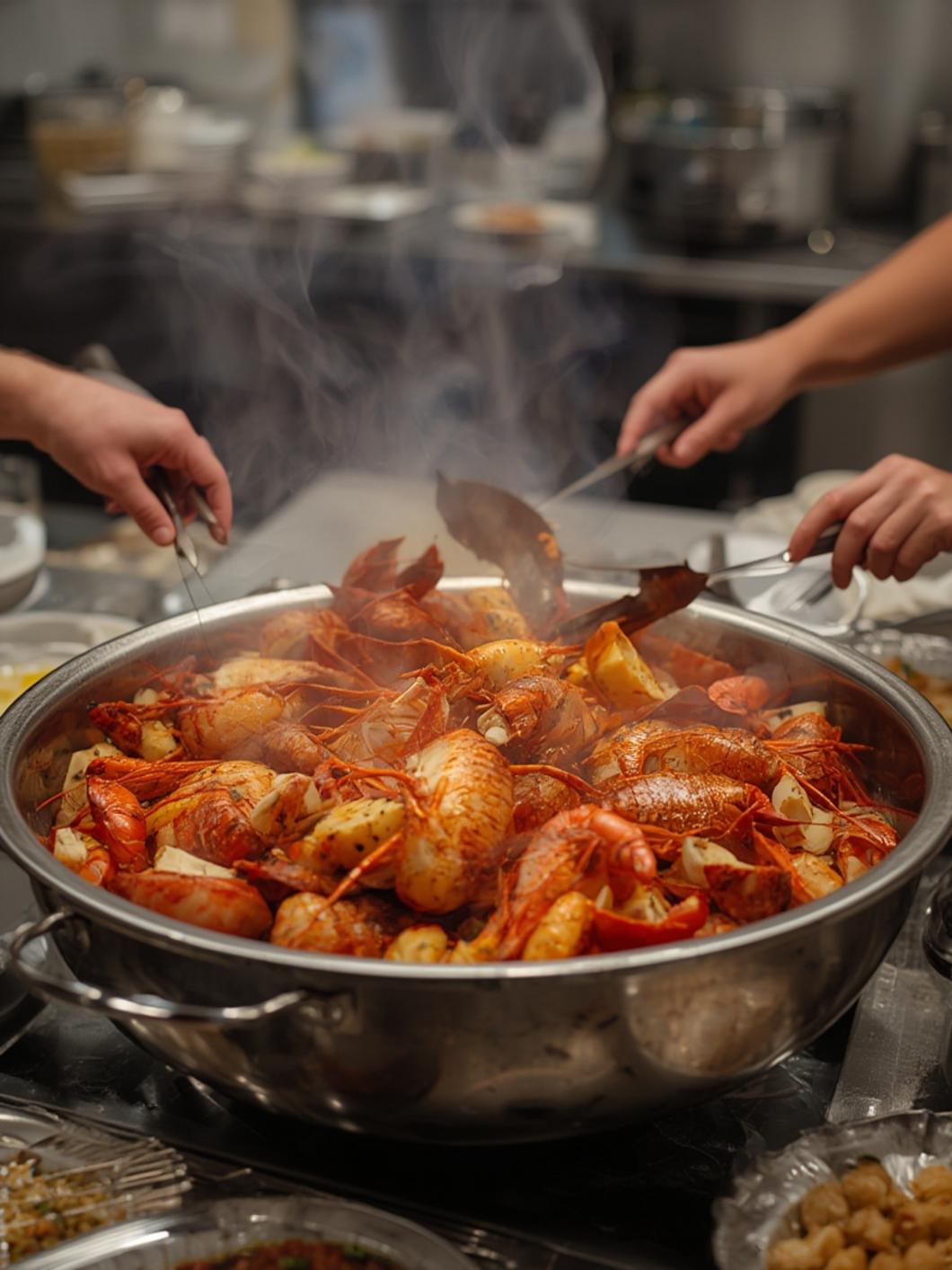
Preparing a proper seafood boil requires about 30 minutes of preparation time and 45 minutes of cooking. Unlike many complex dishes, the active cooking time is relatively short, making this ideal for entertainment. Plan for a total of 1.5 hours from start to finish, with serving time lasting as long as your guests are enjoying themselves! Most restaurants prepare seafood boils in batches throughout the day, but your fresh homemade version will be ready in a fraction of the time.
Step-by-Step Instructions
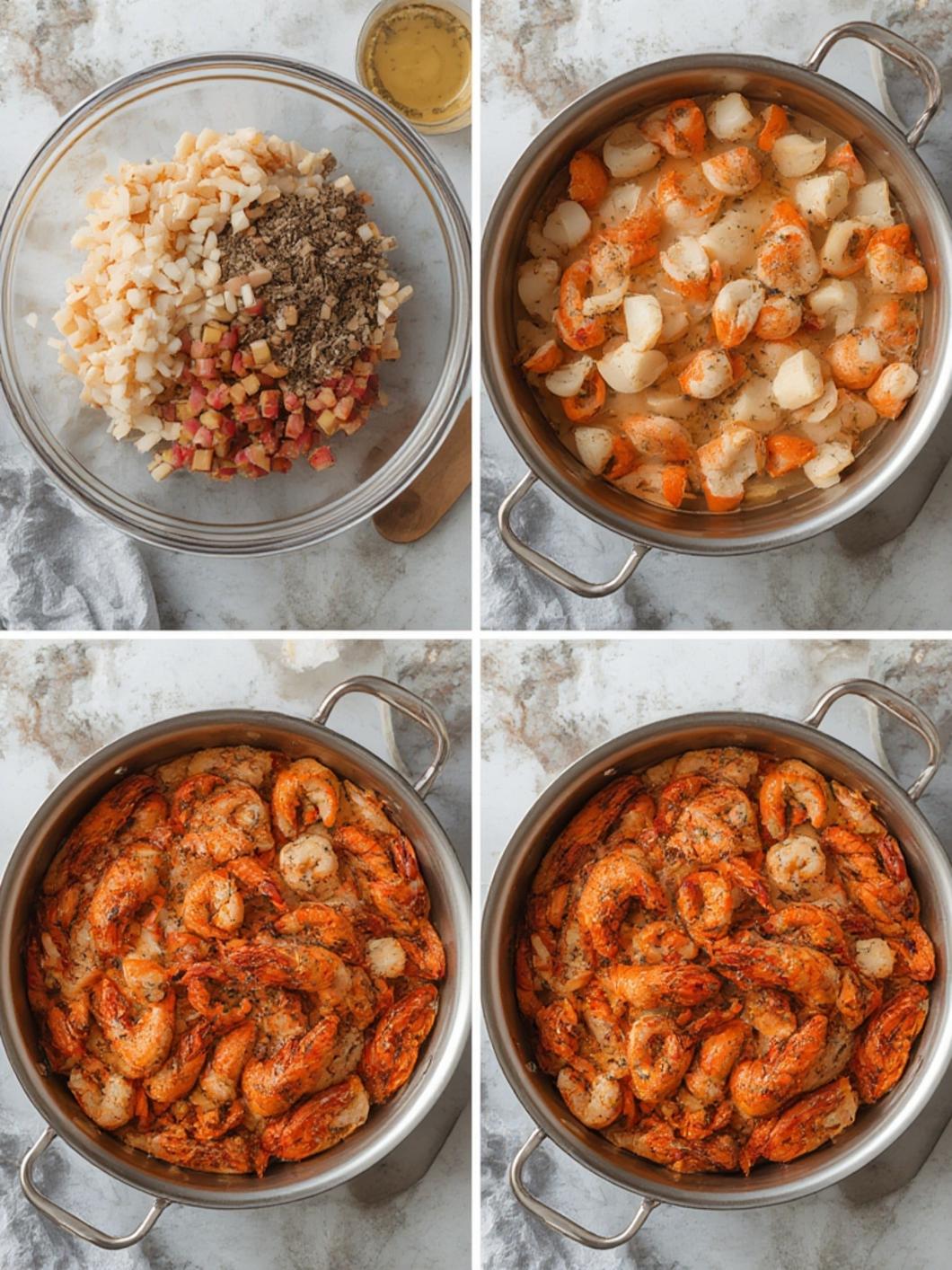
1. Prepare the water: Fill your stockpot about halfway with water. Add the seafood boil seasoning packets, additional spices, bay leaves, and peppercorns. Bring to a rolling boil.
2. Add aromatics: Once boiling, add the quartered onion and garlic head. Let these simmer for 5 minutes to infuse the broth with flavor.
3. Start with potatoes: Add the baby potatoes to the seafood boil first, as they take the longest to cook. Boil for about 10-15 minutes until they begin to soften.
4. Add corn and sausage: Next, add the corn pieces and sausage to the pot. Continue boiling for another 5-7 minutes.
5. Add seafood strategically: Add the seafood in order of cooking time: crab legs and lobster first (5-7 minutes), followed by crawfish if using (2-3 minutes), then clams/mussels (until they open, about 2-3 minutes), and finally shrimp (2-3 minutes until pink).
6. Squeeze in citrus: Just before finishing, squeeze in the lemon halves and toss them in for extra flavor in your sea food boil.
7. Drain and serve: Once everything is cooked, use a strainer to remove all ingredients from the pot. For authentic presentation, dump everything onto a newspaper-lined table or large serving tray.
Nutritional Benefits / Advantages
This dish is packed with lean protein from various seafood sources, providing essential omega-3 fatty acids that support heart and brain health. Shellfish like crab and shrimp offer significant amounts of vitamin B12, zinc, and selenium. The corn provides fiber, while potatoes add potassium and vitamin C. By making this at home, you can control sodium levels and avoid preservatives found in restaurant versions.
Tips, Alternative Methods, or Cooking Advice
– For a butter-garlic variation, toss the drained seafood boil in melted butter infused with garlic, lemon, and cajun seasoning
– Create a low-country boil by adding more vegetables like celery and bell peppers
– For a spicier version, add sliced jalapeños to the boil
– Accommodate shellfish allergies by creating a separate pot with just sausage, potatoes, and corn
– For an Asian-inspired twist, add lemongrass, ginger, and star anise to the boiling liquid
Common Mistakes to Avoid
– Overcooking seafood: Shrimp and lobster become rubbery when overcooked. Add them last and watch carefully.
– Underseasoning the water: Be generous with seasonings—the seafood only briefly cooks in the liquid.
– Improper layering: Add ingredients based on cooking time, not all at once.
– Overcrowding the pot: Cook in batches if necessary to maintain proper water temperature.
– Neglecting timing: Have a timer ready and remove seafood promptly when done.
Storage / Maintenance Tips
Seafood boil leftovers can be stored in airtight containers in the refrigerator for up to 2 days. For best results, separate the seafood from the vegetables when storing. Reheat gently in the microwave or in a covered pan with a splash of water to create steam. Avoid reheating more than once, as seafood quality deteriorates quickly with multiple reheats.
Conclusion
Mastering the art of a homemade seafood boil gives you a showstopping meal that’s perfect for gatherings or special occasions. The beauty of this communal dish lies in its customizability—adjust the heat level, seafood selection, and seasonings to create your signature sea food boil recipe. Whether you’re hosting a backyard party or creating a special family dinner, this hands-on feast creates memories while delivering incredible flavors. Give it a try and don’t forget to share your seafood boil creations with us!
FAQs
Can I use frozen seafood for a seafood boil?
Yes, but thaw it first for even cooking. Add an extra minute to cooking time and check for doneness before serving.
How do I know when each type of seafood is done cooking?
Shrimp turn pink and opaque, crab meat becomes white and flaky, clams/mussels open, and lobster turns bright red with white, opaque meat.
What can I substitute for seafood boil seasoning packets?
Create your own with 2 tablespoons each of paprika, cayenne, garlic powder, and 1 tablespoon each of dried thyme, oregano, and salt.
Is it necessary to purge live crawfish before cooking?
Yes, soak live crawfish in salt water for 15-20 minutes to purge them of impurities before adding them to your boil.
Can I make a seafood boil without a large stockpot?
Yes, you can use multiple smaller pots and divide ingredients, though you may lose some flavor integration. Electric roasters also work well for larger batches.
There are no reviews yet. Be the first one to write one.