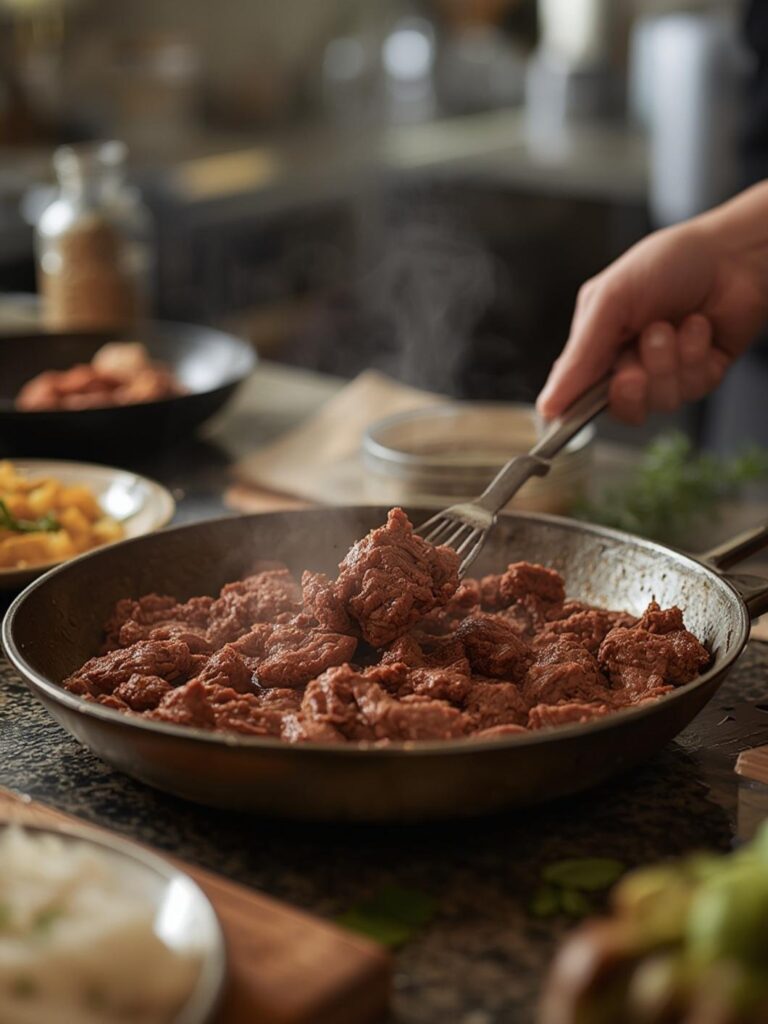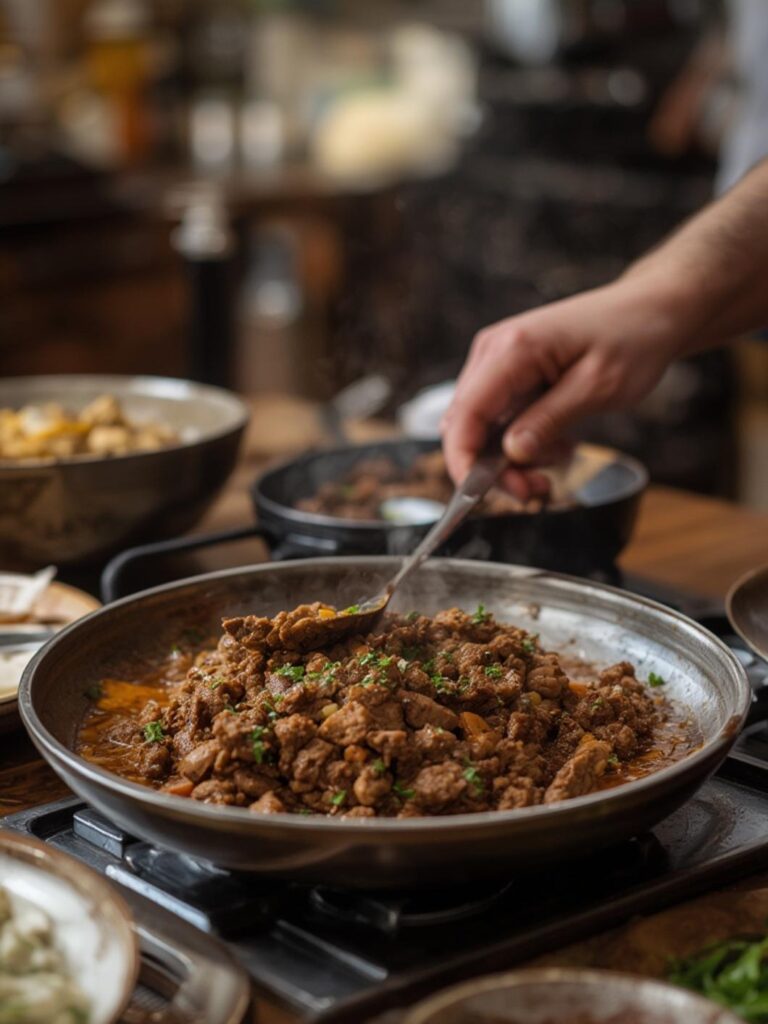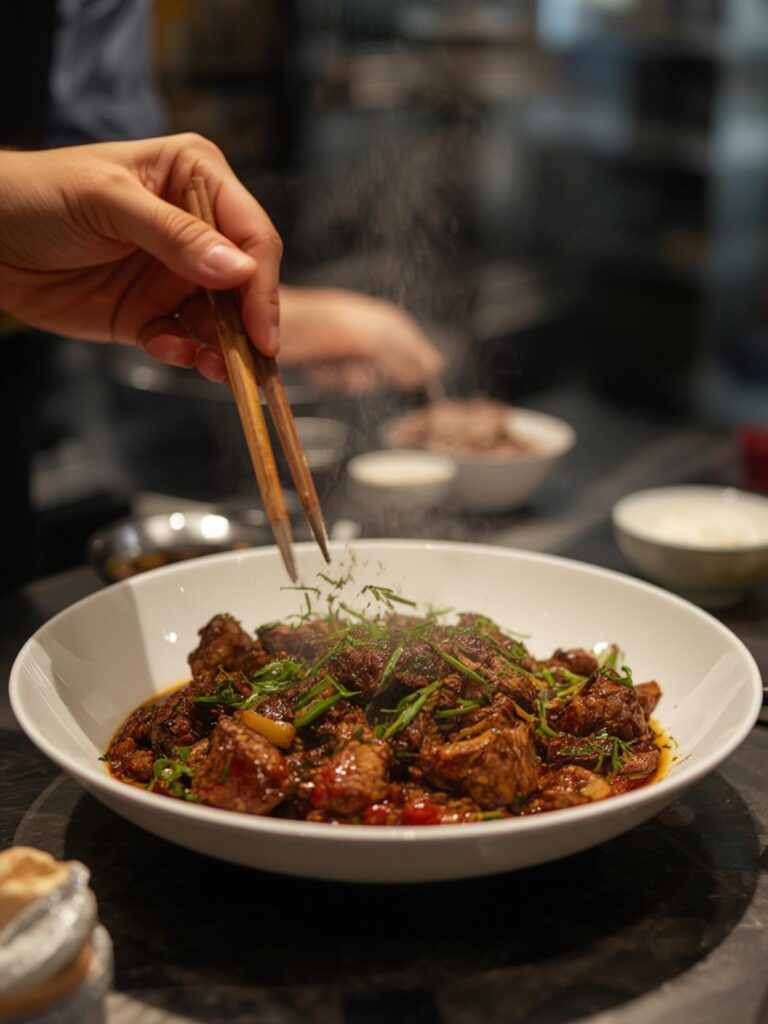
How to cook with thin sliced beef for tender and flavorful dishes
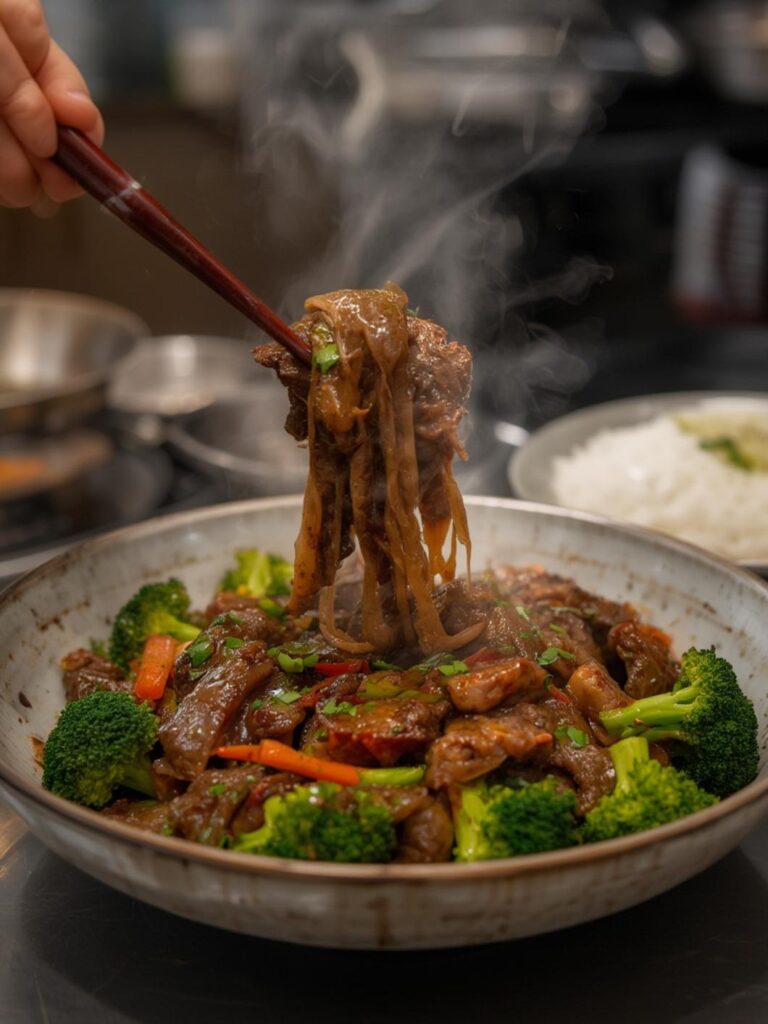
Have you ever craved that sweet and savory flavor of restaurant-style Mongolian beef but hesitated to make it at home? Creating this iconic Asian dish might seem intimidating, but with the right technique and thin sliced beef, you can master this takeout favorite in your own kitchen. The secret to an authentic mongolian beef recipe lies in the proper slicing of the meat, balanced sauce, and quick cooking method that preserves the tenderness while creating that perfect caramelized exterior.
Table of Contents
Materials & Supplies
For the Beef and Marinade:
– 1 pound flank steak or sirloin
– 2 tablespoons cornstarch
– 1 tablespoon vegetable oil for marinating
For the Sauce:
– 1/2 cup low-sodium soy sauce
– 1/3 cup brown sugar
– 3 cloves garlic, minced
– 1 tablespoon fresh ginger, grated
– 1/2 teaspoon red pepper flakes (optional)
– 1/4 cup water
Vegetables and Garnish:
– 5-6 green onions, cut into 2-inch pieces
– 1 large bell pepper, sliced (optional)
– 2 tablespoons sesame seeds
– Steamed rice for serving
Equipment:
– Sharp chef’s knife
– Cutting board
– Large wok or skillet
– Mixing bowls
– Measuring cups and spoons
– Wooden spoon or spatula
Timing / Cooking Schedule
Total preparation time: 40 minutes
– Beef slicing and marination: 15 minutes
– Sauce preparation: 5 minutes
– Cooking time: 10 minutes
– Resting time: 10 minutes
This dish comes together significantly faster than other stir-fries, making it perfect for busy weeknights when you’re craving something delicious but don’t have hours to spend in the kitchen.
Step-by-Step Instructions
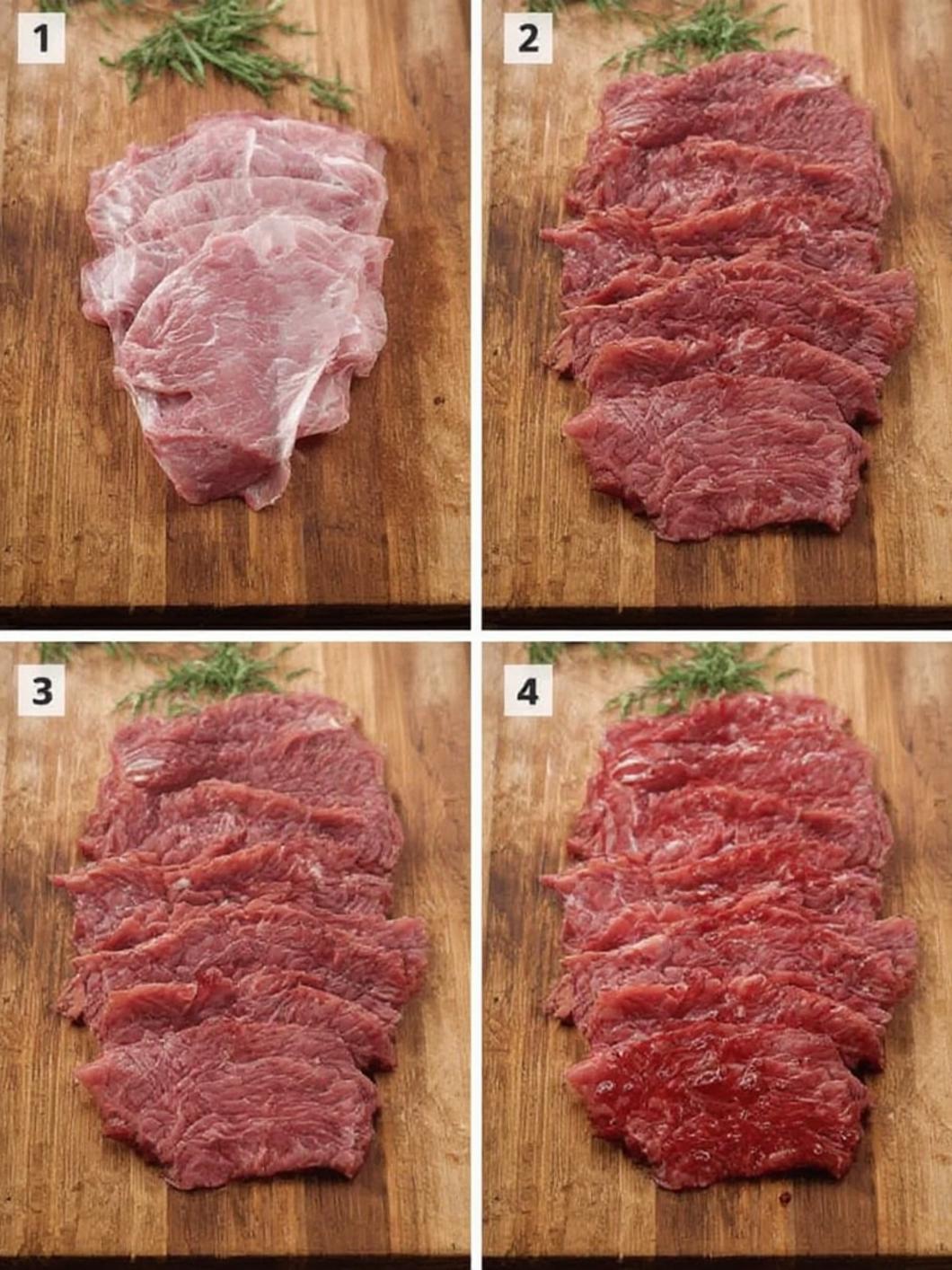
1. Prepare the beef: Freeze the beef for 20 minutes to firm it up. This makes it easier to achieve those signature thin sliced beef cuts essential for a proper mongolian beef recipe. Slice against the grain into 1/4-inch thick pieces.
2. Marinate the meat: In a bowl, toss the sliced beef with cornstarch and 1 tablespoon oil. Allow it to marinate for at least 10 minutes while you prepare other ingredients.
3. Make the sauce: Combine soy sauce, brown sugar, minced garlic, grated ginger, red pepper flakes, and water in a small bowl. Stir until sugar is dissolved.
4. Cook the beef: Heat 2 tablespoons of oil in your wok over high heat until shimmering. Add the beef in a single layer (cook in batches if necessary) and sear for 1 minute without stirring. Then flip and cook for 30 seconds more. Remove to a plate.
5. Finish the dish: Reduce heat to medium. Add the sauce to the wok and simmer for 2 minutes until it starts to thicken. Return the beef to the wok along with the green onions and bell pepper if using. Toss for 1-2 minutes until everything is coated and vegetables are slightly tender but still crisp.
6. Serve: Sprinkle with sesame seeds and serve immediately over steamed rice.
Nutritional Benefits / Advantages
This homemade version offers several advantages over restaurant versions:
– Lower sodium content when using low-sodium soy sauce
– No MSG or preservatives typically found in takeout
– Higher protein content from quality beef
– Customizable vegetable content for added nutrients
– Control over oil quantity for reduced fat
– Fresh ingredients provide more vitamins and minerals
Tips, Alternative Methods, or Cooking Advice
– Use flank steak or sirloin for the best texture and flavor
– For a gluten-free version, substitute tamari for soy sauce
– Add vegetables like broccoli, snow peas, or mushrooms for extra nutrition
– For a spicier version, increase red pepper flakes or add sliced fresh chilies
– Substitute honey for brown sugar for a different flavor profile
– For a lighter version, reduce sugar content and serve with cauliflower rice
Common Mistakes to Avoid
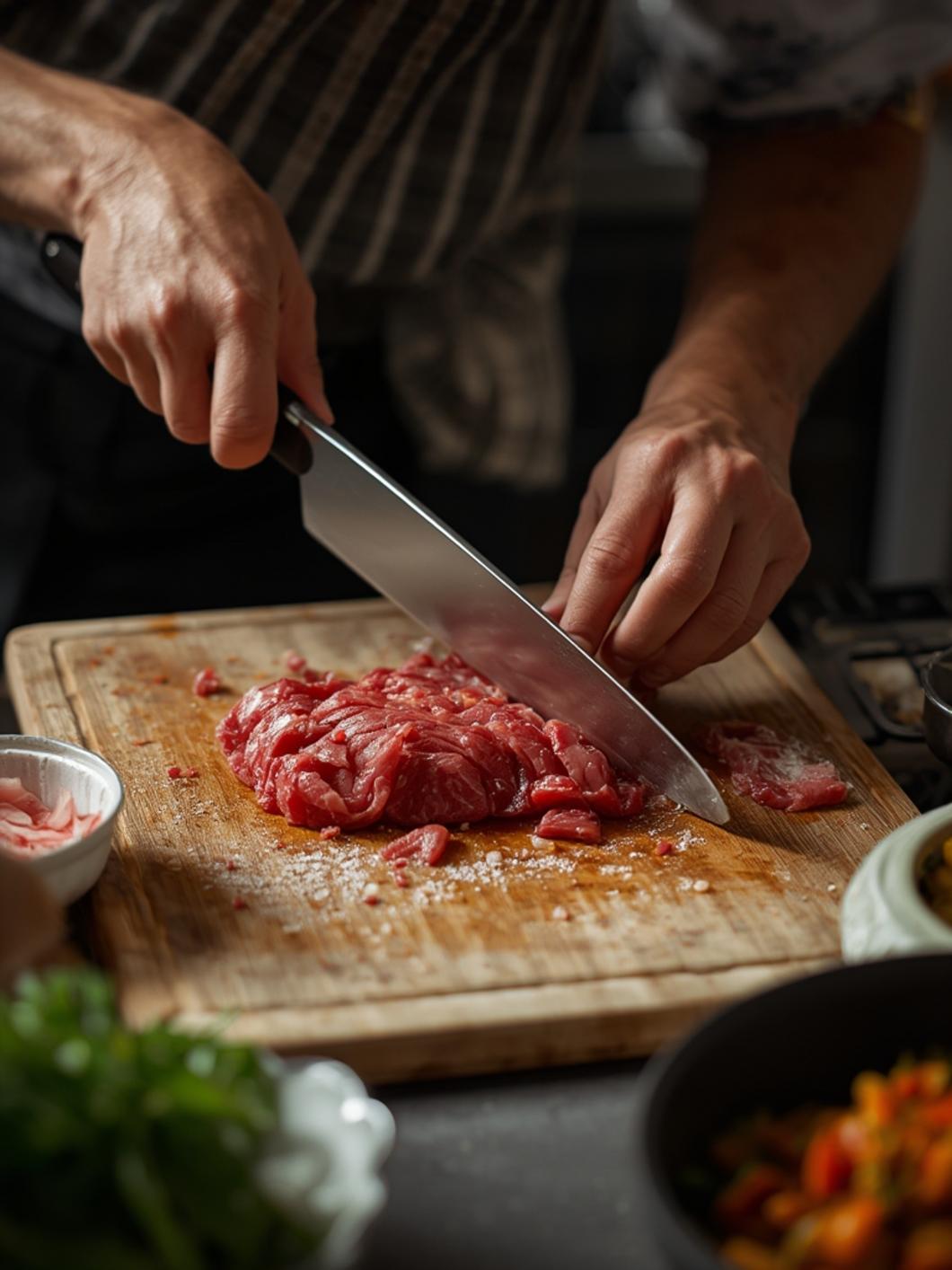
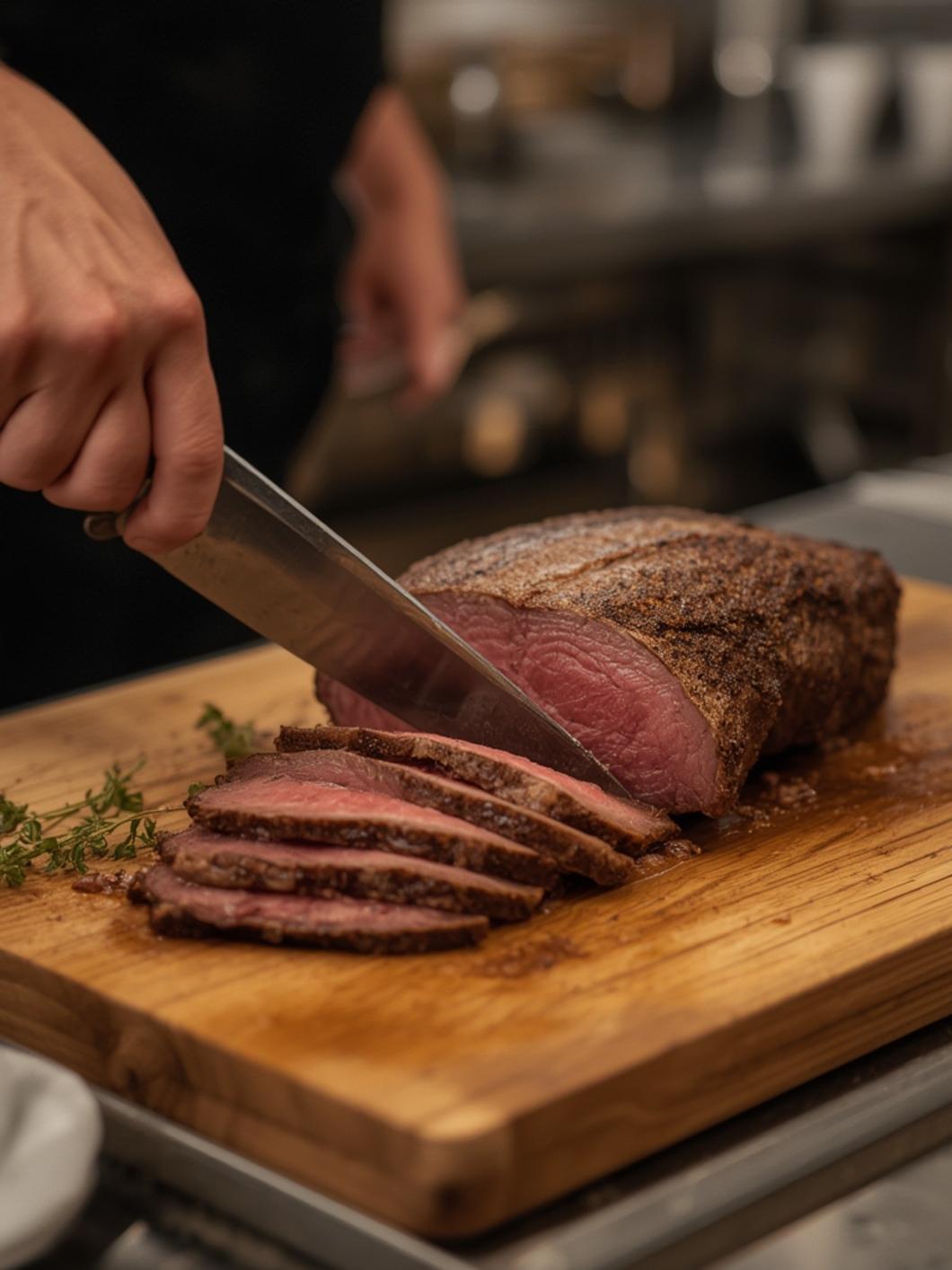
1. Slicing with the grain: Always cut perpendicular to the muscle fibers (against the grain) for tender meat.
2. Overcrowding the pan: Cook in batches to ensure proper searing rather than steaming the meat.
3. Overcooking the beef: This results in tough, chewy meat instead of tender bites.
4. Not allowing the sauce to thicken: Patience during the simmering stage ensures the right consistency.
5. Skipping the cornstarch: This crucial ingredient tenderizes the beef and helps create the signature texture.
Storage / Maintenance Tips
– Store leftovers in an airtight container in the refrigerator for up to 3 days
– For best results when reheating, use a skillet over medium heat rather than a microwave
– Add a splash of water when reheating to revive the sauce
– For meal prep, prepare the sauce and slice the beef in advance, storing separately
– Freeze uncooked, marinated beef for up to 2 months for quick future meals
Conclusion
Mastering the art of homemade Mongolian beef opens the door to authentic Asian cuisine right in your kitchen. With properly prepared thin sliced beef and our balanced mongolian beef recipe, you can create a restaurant-quality dish that’s healthier, more affordable, and customized to your taste preferences. The combination of sweet, savory flavors with tender beef and crisp vegetables makes this a family favorite that’s sure to impress. Give it a try this week and share your results with us!
FAQs
What’s the best cut of beef for Mongolian beef?
Flank steak and sirloin are ideal due to their tender texture when sliced thinly against the grain. Ribeye also works well but is more expensive.
Can I make Mongolian beef ahead of time?
Yes, but it’s best enjoyed fresh. If making ahead, slightly undercook the beef and reheat gently to prevent toughness.
How can I make my sauce thicker?
Create a slurry with 1 teaspoon cornstarch and 1 tablespoon cold water, then add it to the simmering sauce.
Is Mongolian beef actually from Mongolia?
No, it’s an Americanized Chinese dish that has little connection to Mongolian cuisine. It was created by Chinese-American restaurants.
What can I substitute for rice?
Try serving with noodles, cauliflower rice, or lettuce wraps for alternative serving options.