Easy Southern Fried Chicken Liver Recipe
Delicious and Nutritious Chicken Liver Pâté Recipe
Are you looking to elevate your appetizer game with something rich, creamy, and surprisingly easy to make? Chicken liver recipes often intimidate home cooks, but they shouldn’t! This homemade chicken liver pâté transforms humble chicken livers into a luxurious spread that will impress your guests and satisfy your gourmet cravings. Making this dish at home allows you to control the ingredients and customize the flavors to your preference, all while saving money compared to store-bought versions.
Materials & Supplies
For the Pâté:
– 1 pound fresh chicken livers, cleaned and trimmed
– 2 shallots, finely diced
– 2 cloves garlic, minced
– 4 tablespoons unsalted butter, divided
– 2 tablespoons olive oil
– ¼ cup brandy or cognac (optional, can substitute with chicken broth)
– 2 teaspoons fresh thyme leaves
– ½ teaspoon ground allspice
– ¼ cup heavy cream
– Salt and freshly ground black pepper to taste
For Clarified Butter Topping (Optional):
– 4 tablespoons unsalted butter
– 2-3 fresh thyme sprigs
– 1 bay leaf
Equipment:
– Food processor or blender
– Medium-sized skillet
– Fine-mesh sieve (optional for smoother texture)
– Ramekins or small jars for serving
Timing / Cooking Schedule
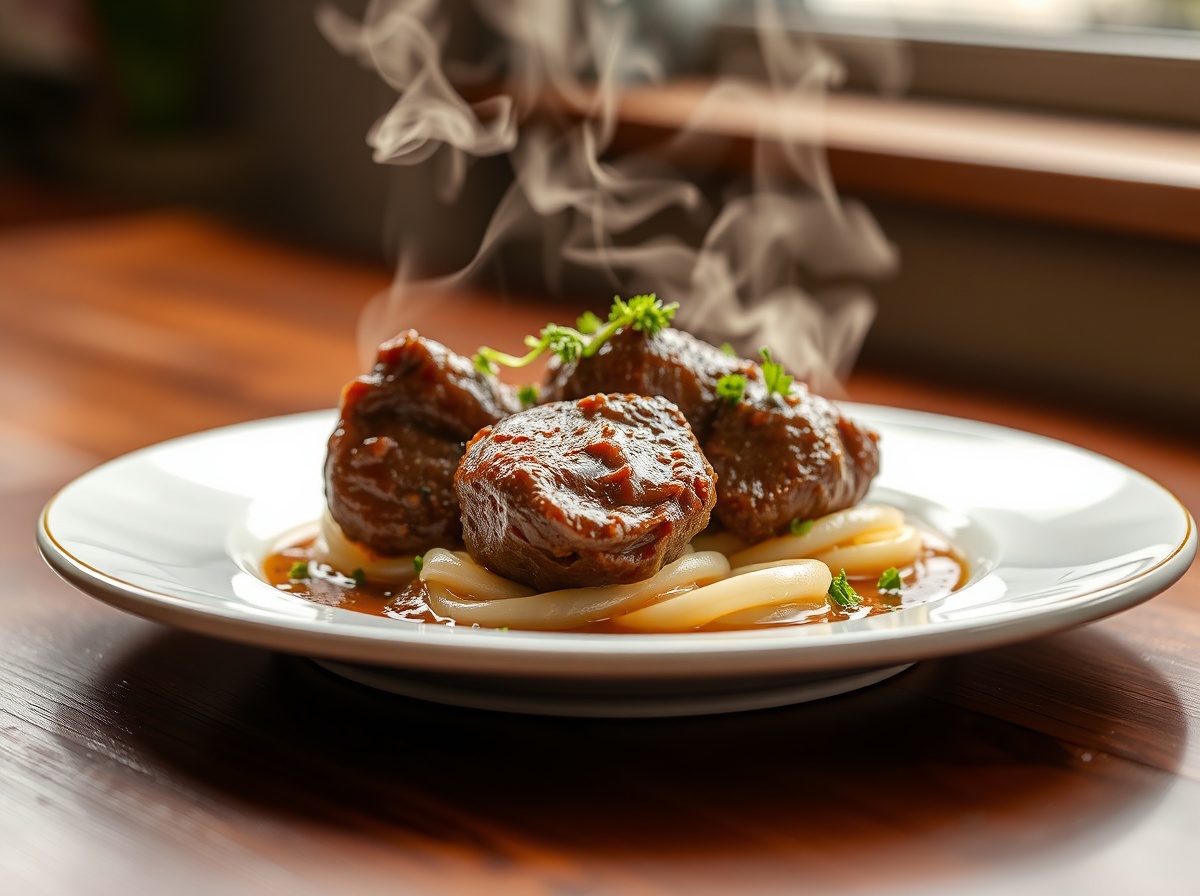
Prep time: 15 minutes
Cooking time: 20 minutes
Chilling time: At least 2 hours, preferably overnight
Total time: About 3 hours (including chilling)
This recipe yields approximately 2 cups of pâté, serving 8-10 people as an appetizer. Unlike many complex appetizers that can take hours to prepare, this pâté comes together quickly but needs time to chill properly for the flavors to develop.
Step-by-Step Instructions
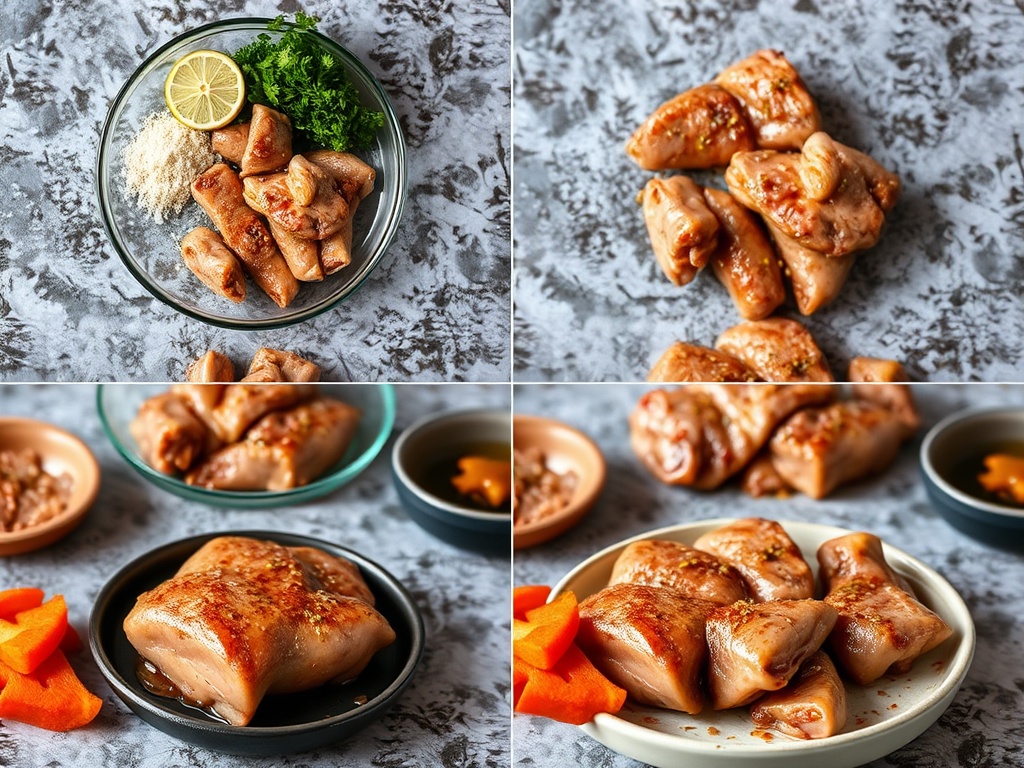
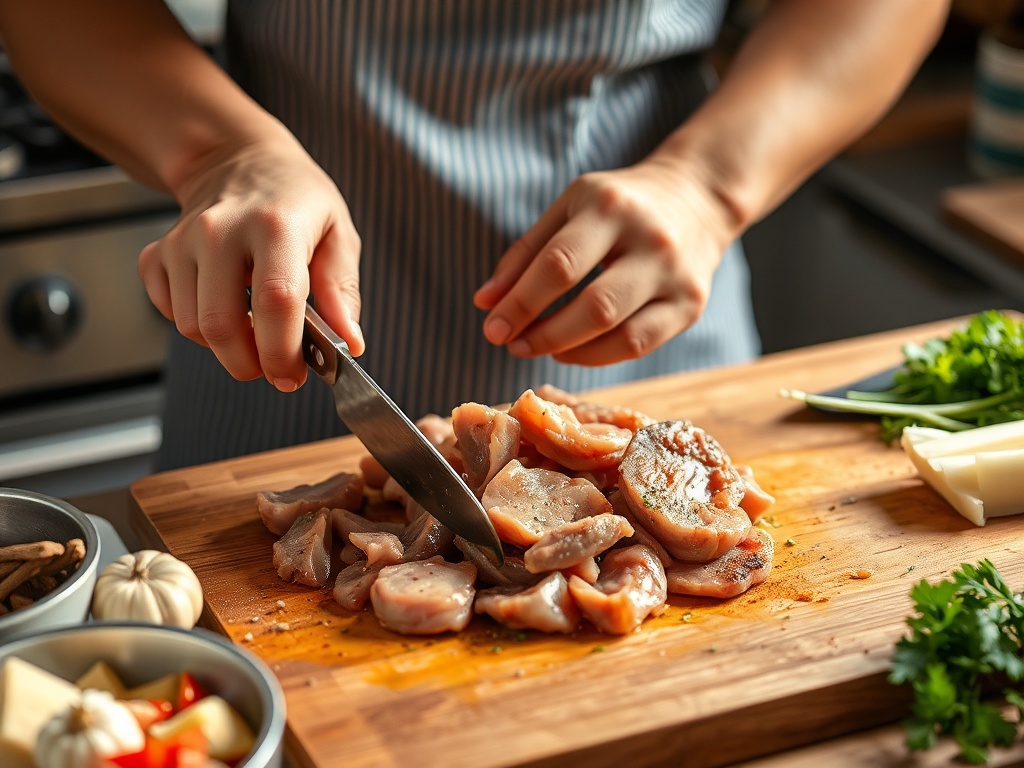
1. Prepare the livers: Rinse chicken livers under cold water and pat dry with paper towels. Trim any connective tissue or discolored parts. Cut larger pieces in half for even cooking.
2. Sauté aromatics: Heat 2 tablespoons butter and olive oil in a skillet over medium heat. Add shallots and cook until translucent, about 3-4 minutes. Add garlic and cook for another 30 seconds until fragrant. For deeper flavor, allow the shallots to caramelize slightly.
3. Cook the livers: Increase heat to medium-high. Add livers to the pan and cook until browned on the outside but still slightly pink inside, about 3-4 minutes per side. Avoid overcooking to prevent a grainy texture.
4. Deglaze: Pour in brandy or cognac (stand back as it might flame briefly) and scrape up any browned bits from the bottom of the pan. Add thyme and allspice, stirring to incorporate.
5. Blend: Transfer the liver mixture to a food processor. Add remaining 2 tablespoons butter and heavy cream. Process until smooth, about 1-2 minutes. For ultra-smooth pâté, press through a fine-mesh sieve.
6. Season: Taste and adjust seasoning with salt and pepper. Chicken liver recipes like this one benefit from generous seasoning, as the flavors mellow during chilling.
7. Set: Transfer to ramekins or jars, smooth the top, and refrigerate until firm, at least 2 hours.
8. Optional butter seal: For longer storage, melt 4 tablespoons butter with thyme sprigs and bay leaf. Let cool slightly, then pour over the set pâté. This creates a seal that extends shelf life.
Nutritional Benefits / Advantages
Chicken livers are nutrient powerhouses, containing:
– High-quality protein (26g per 100g)
– Iron (72% of daily value per 100g)
– Vitamin A (over 300% of daily value per 100g)
– B vitamins, especially B12 (over 1000% of daily value per 100g)
– Folate (important for cell growth and DNA formation)
– Zinc and selenium (immune-supporting minerals)
This homemade version also allows you to control sodium levels and avoid preservatives found in commercial pâtés.
Tips, Alternative Methods, or Cooking Advice
– For a dairy-free version, substitute coconut cream for heavy cream and use ghee or duck fat instead of butter
– Add 1-2 tablespoons of port wine for a sweeter flavor profile
– For a smoky variation, include 1 teaspoon of smoked paprika
– Enhance with 1 tablespoon of truffle oil for a luxurious twist
– Substitute chicken broth for alcohol if preferred
– For a coarser country-style pâté, pulse rather than fully process
Common Mistakes to Avoid
1. Overcooking the livers: This results in a dry, grainy texture. Cook just until the outside is browned but the center remains slightly pink.
2. Under-seasoning: Liver has a strong flavor that needs adequate seasoning. Always taste before chilling and adjust accordingly.
3. Skipping the resting time: Pâté needs time to develop flavors. Don’t rush the chilling process.
4. Using old livers: Always use the freshest livers possible for the best flavor and texture.
5. Processing too little: Insufficient blending leads to chunky rather than creamy pâté.
Storage / Maintenance Tips
– Refrigerate pâté covered for up to 5 days
– For extended storage, add the clarified butter seal which extends shelf life to 10 days
– Freeze portions for up to 2 months in airtight containers
– Always bring to room temperature for about 30 minutes before serving for optimal flavor
– Serve with toasted baguette slices, crackers, or crudités
Conclusion
Homemade chicken liver pâté is a testament to how simple ingredients can transform into something extraordinary. By mastering this classic chicken liver recipes, you’ve added a versatile, nutrient-dense appetizer to your culinary repertoire. The rich, buttery texture and complex flavors of chicken livers make this pâté perfect for everything from casual gatherings to elegant dinner parties. Try making this recipe this weekend and discover how satisfying it is to create this gourmet delight in your own kitchen!
FAQs
Can I use chicken livers that have been frozen?
Yes, but thaw them slowly in the refrigerator overnight for best results and pat them very dry before cooking to ensure proper browning.
How can I reduce the strong liver flavor?
Soaking the livers in milk for 1-2 hours before cooking helps reduce the intensity. Also, increasing aromatic ingredients like shallots and herbs can balance the flavor.
Is it safe to eat chicken liver pâté during pregnancy?
Pregnant women should ensure livers are cooked thoroughly to an internal temperature of 165°F (74°C) to avoid any risk of foodborne illness.
Can I make this recipe without alcohol?
Absolutely! Substitute the brandy with chicken broth, apple juice, or white grape juice for a non-alcoholic version that still delivers excellent flavor.
Why is my pâté bitter?
Bitterness usually comes from overcooking the livers or including bile ducts. Be sure to trim livers properly and keep cooking time brief to maintain a sweet, rich flavor.