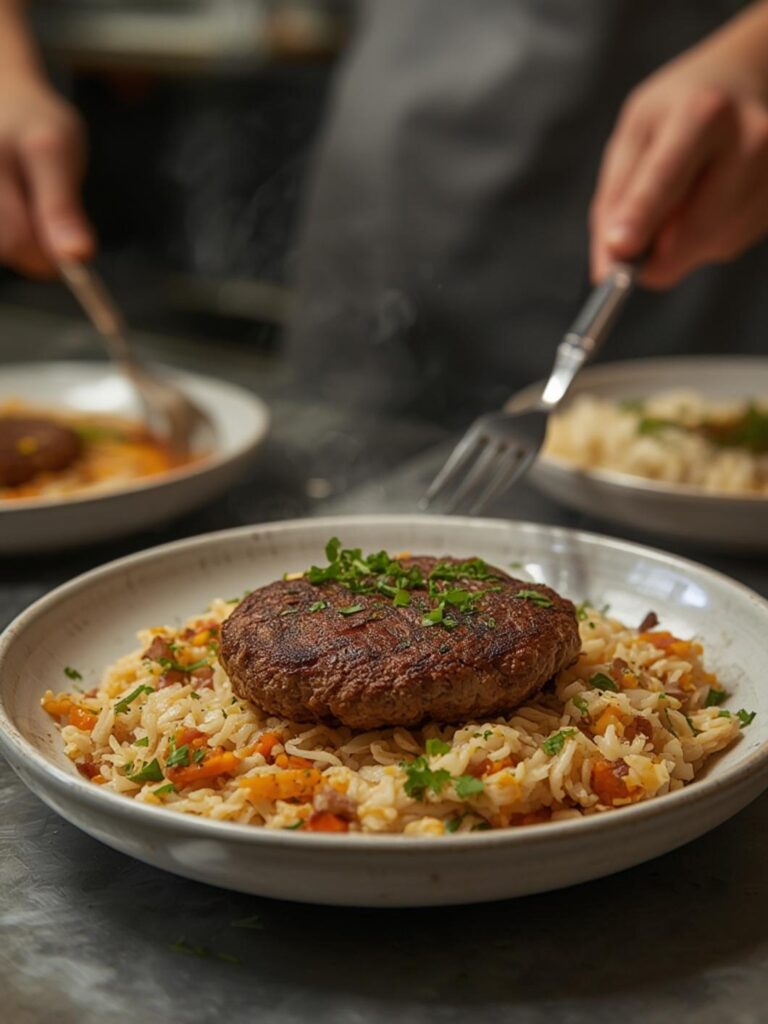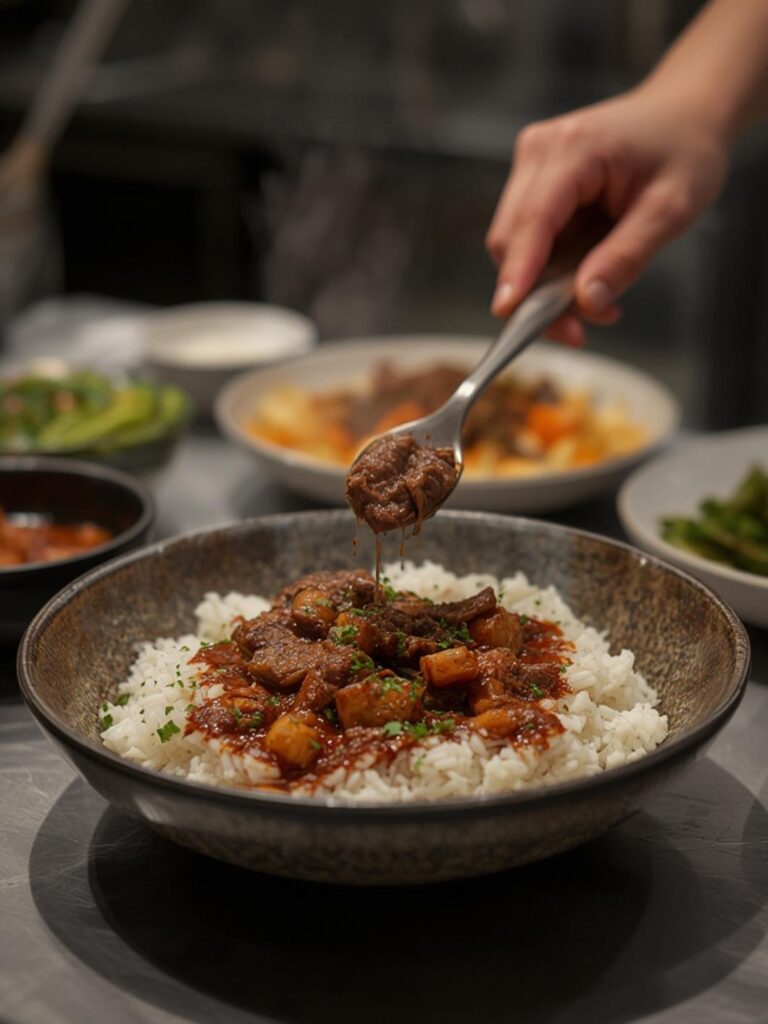
Explore delicious Chinese Beef recipes for quick weeknight dinners
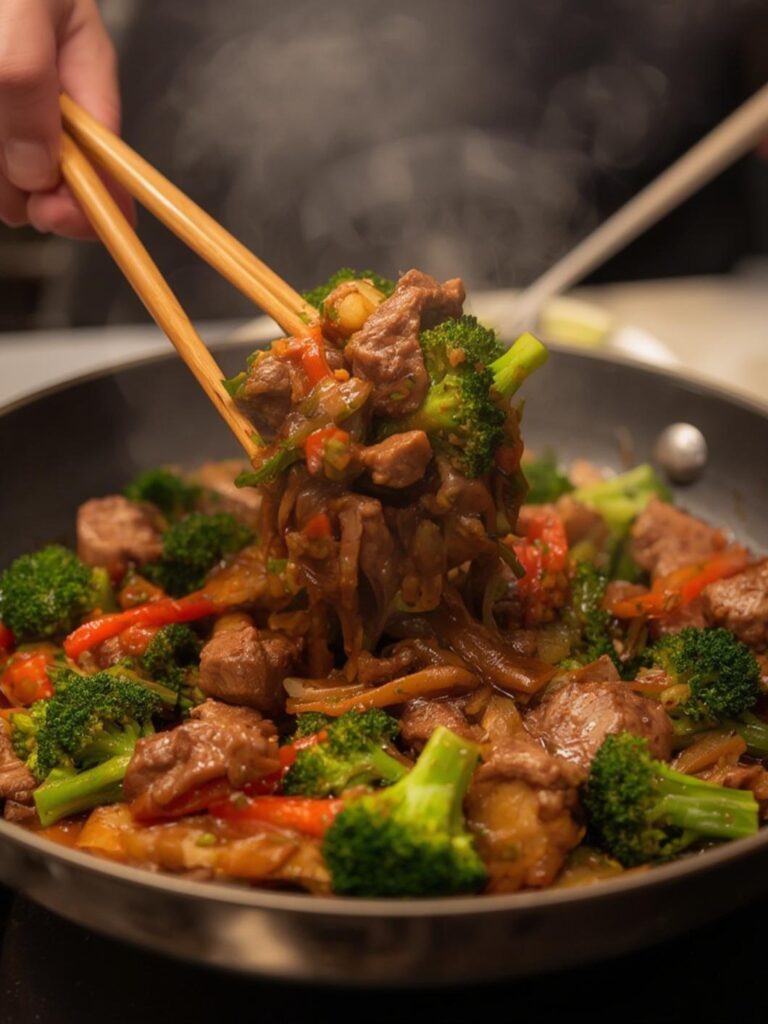
Have you ever craved that savory, umami-packed flavor of Chinese restaurant beef but felt intimidated to recreate it at home? You’re not alone. The good news is that making delicious chinese beef recipes in your own kitchen is not only possible but surprisingly simple with the right technique. Unlike the heavy, overly sweet takeout versions, homemade stir-fries like a mongolian beef recipe allow you to control the ingredients while still achieving that authentic flavor profile we all love. Let’s dive into creating the perfect beef and broccoli stir-fry that will become your new weeknight favorite.
Table of Contents
Materials & Supplies
For the Beef Marinade:
– 1 pound flank steak or sirloin, thinly sliced against the grain
– 2 tablespoons soy sauce (low-sodium preferred)
– 1 tablespoon cornstarch
– 1 teaspoon baking soda (tenderizes the meat)
– 1 tablespoon Chinese rice wine or dry sherry
For the Sauce:
– 3 tablespoons oyster sauce
– 2 tablespoons light soy sauce
– 1 tablespoon dark soy sauce (for color)
– 1 teaspoon sesame oil
– 2 teaspoons brown sugar
– ½ cup beef broth or water
– 1 tablespoon cornstarch
For the Stir-Fry:
– 4 cups broccoli florets
– 1 red bell pepper, sliced
– 4 cloves garlic, minced
– 1-inch piece ginger, grated
– 4 green onions, cut into 1-inch pieces
– 3 tablespoons vegetable oil
Equipment:
– Wok or large skillet
– Sharp knife
– Cutting board
– Small bowls for prep
– Measuring spoons
– Wooden spoon or spatula
Timing / Cooking Schedule
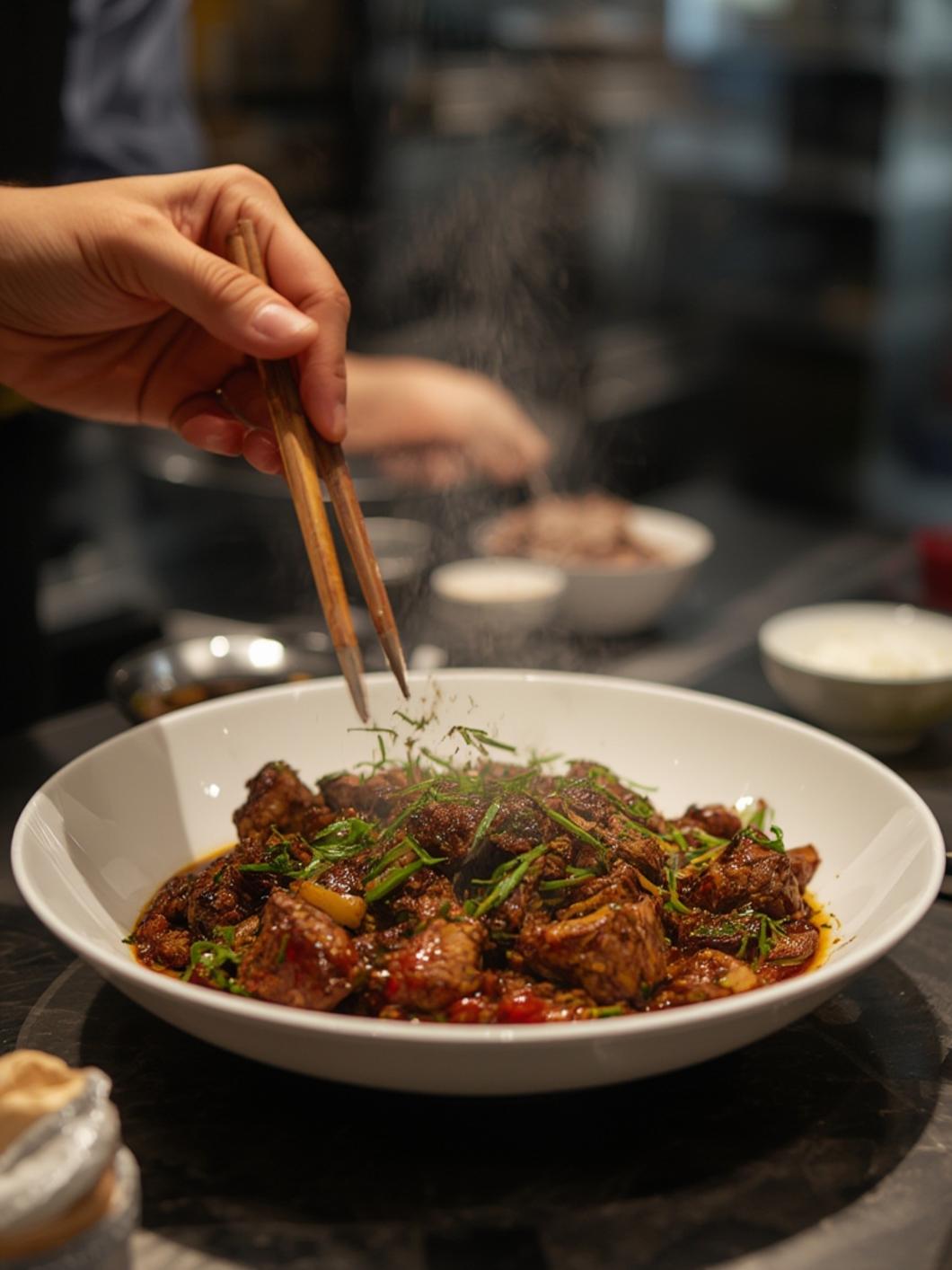
– Prep time: 20 minutes (includes marinating the beef)
– Cook time: 15 minutes
– Total time: 35 minutes
– Serves: 4
This dish comes together much faster than ordering takeout and waiting for delivery. The key is having everything prepped before you start cooking, as the actual stir-frying happens very quickly.
Step-by-Step Instructions
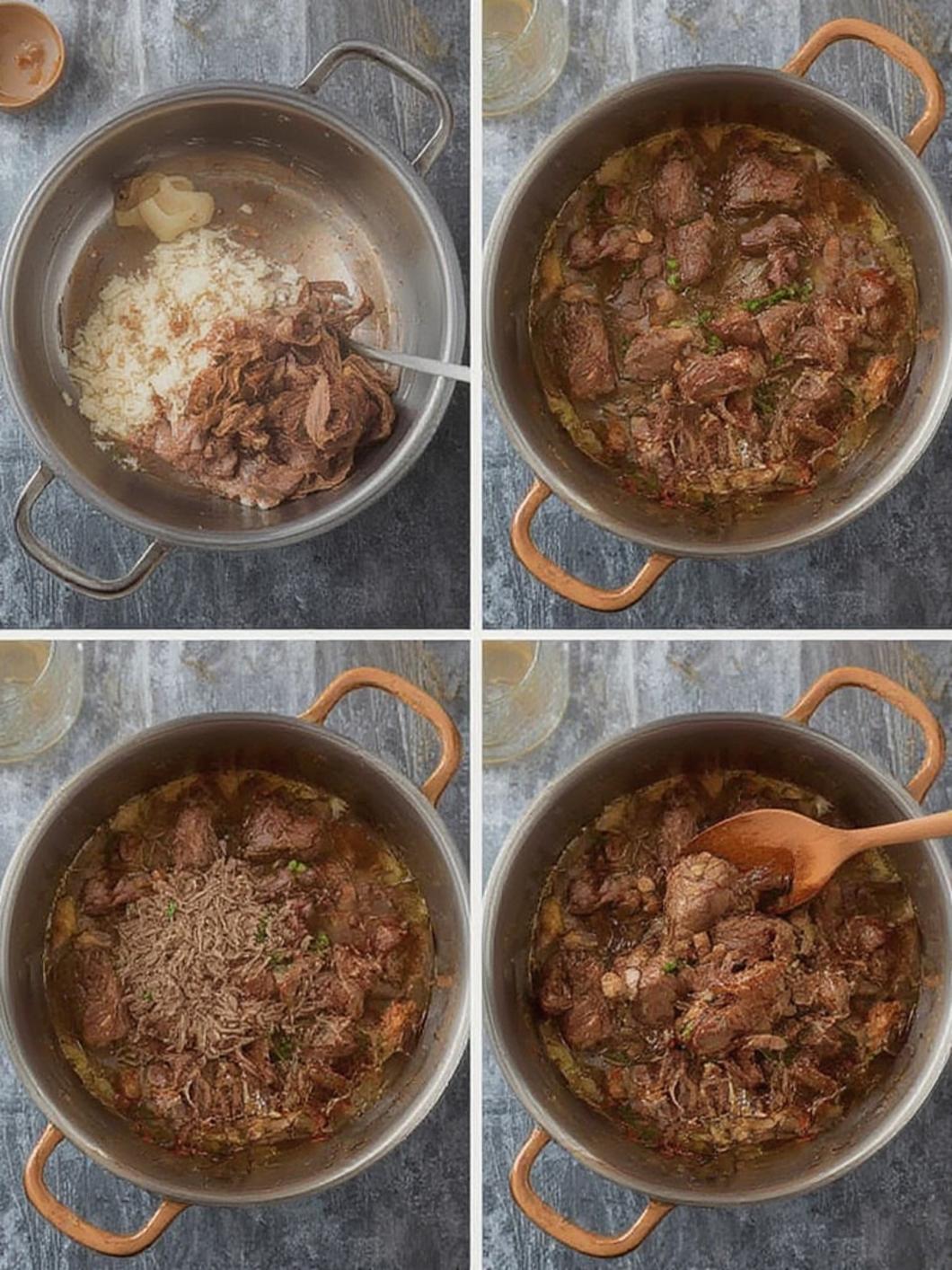
1. Prepare the beef: Slice the beef against the grain into thin strips (about ¼-inch thick). Place in a bowl and add the marinade ingredients. Mix well and let sit for at least 15 minutes or up to 1 hour.
2. Make the sauce: Combine all sauce ingredients in a small bowl, making sure the cornstarch is fully dissolved. Set aside.
3. Blanch the broccoli: Bring a pot of water to boil. Add broccoli and cook for 30 seconds, then immediately transfer to ice water to stop the cooking process. Drain well.
4. Heat your wok: Place your wok or skillet over high heat until it’s smoking hot. This is crucial for chinese beef recipes to achieve that authentic wok hei flavor similar to a mongolian beef recipe.
5. Sear the beef: Add 2 tablespoons oil to the wok. Spread the beef in a single layer and let it sear for 30 seconds without stirring. Then stir-fry for another 1-2 minutes until the beef is browned but still slightly pink inside. Remove to a plate.
6. Stir-fry aromatics: Add the remaining oil to the wok. Add garlic and ginger, stir-frying for 30 seconds until fragrant.
7. Add vegetables: Add broccoli and bell peppers, stir-frying for 1-2 minutes until crisp-tender.
8. Combine everything: Return beef to the wok. Quickly re-stir your sauce mixture (cornstarch settles), then pour it in. Stir constantly as the sauce thickens, about 30 seconds.
9. Finish: Add green onions and toss everything together. Remove from heat immediately to prevent overcooking.
Nutritional Benefits / Advantages
This homemade beef stir-fry delivers significant nutritional benefits compared to restaurant versions:
– High-quality protein from the beef supports muscle maintenance
– Broccoli provides vitamin C, fiber, and cancer-fighting compounds
– Lower sodium and sugar than restaurant versions
– No MSG or preservatives
– Balanced meal with protein, vegetables, and complex carbohydrates when served with brown rice
Tips, Alternative Methods, or Cooking Advice
– For extra tender beef, slice it while still partially frozen
– Substitute chicken, pork, or tofu for different protein options
– Make it gluten-free by using tamari instead of soy sauce
– Add water chestnuts or bamboo shoots for extra crunch
– For spice lovers, add dried chilies or chili oil
– Serve with cauliflower rice for a low-carb option
Common Mistakes to Avoid
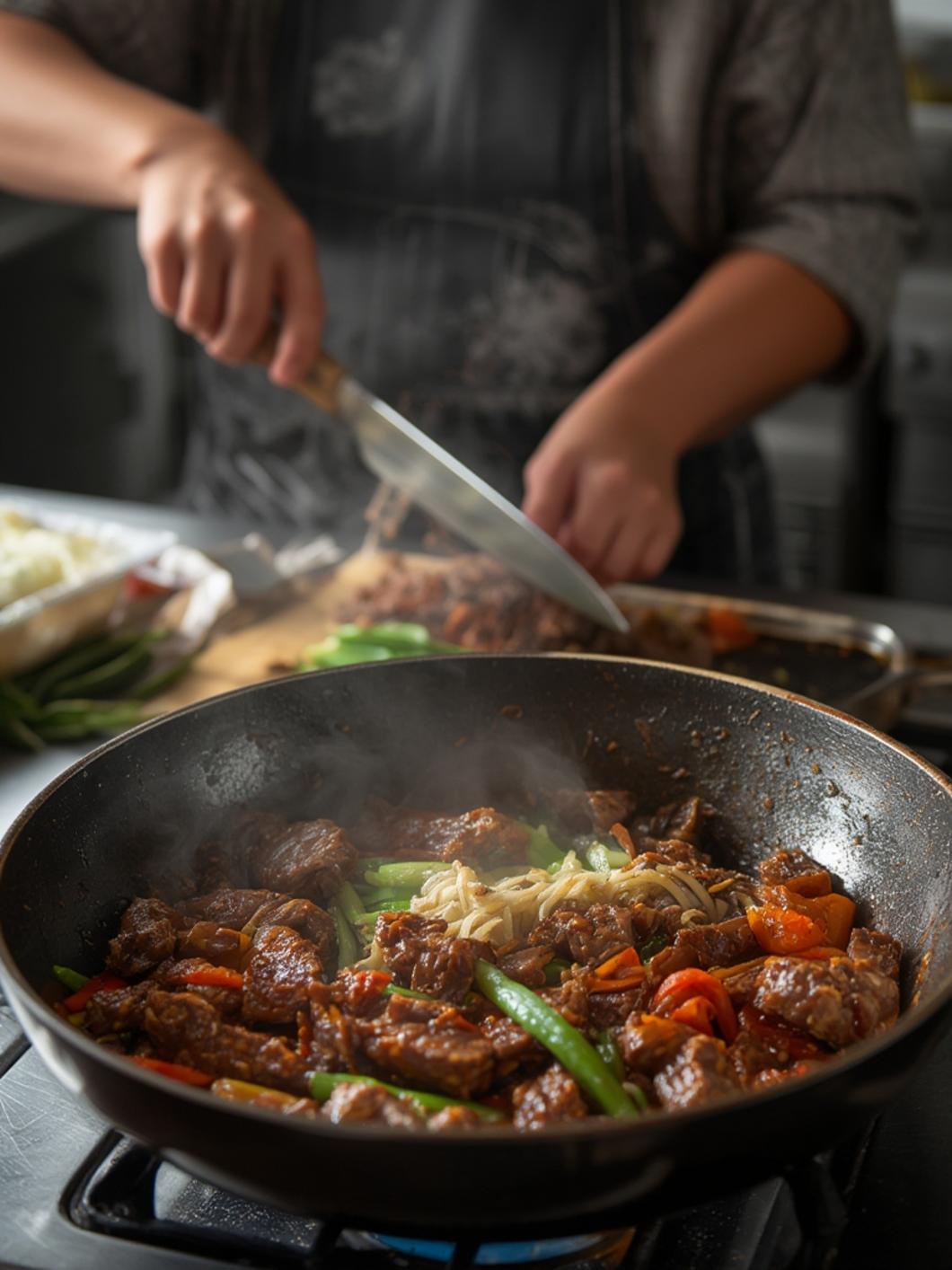
1. Crowding the pan: Cook in batches if necessary. Overcrowding creates steam, preventing proper searing.
2. Not getting the wok hot enough: A smoking hot wok is essential for proper searing and to prevent meat from stewing.
3. Cutting meat with the grain: Always slice against the grain for tender beef.
4. Skipping the marinade: The baking soda tenderizing step makes a huge difference in texture.
5. Overcooking the vegetables: They should remain vibrant and slightly crisp.
Storage / Maintenance Tips
– Store leftovers in an airtight container in the refrigerator for up to 3 days
– To reheat, use a skillet over medium heat rather than a microwave for better texture
– Add a splash of water when reheating to revive the sauce
– For meal prep, store sauce separately and add when reheating
– Not recommended for freezing as vegetables will become mushy
Conclusion
Mastering these chinese beef recipes at home gives you the power to enjoy authentic Asian flavors without leaving your kitchen. The techniques you’ve learned—from properly marinating beef to achieving the perfect stir-fry timing—will serve you well beyond this specific dish. Whether you’re making this beef and broccoli or experimenting with a mongolian beef recipe next time, you now have the skills to create restaurant-quality results with healthier ingredients. Why not put your new knowledge to work tonight? Your taste buds (and wallet) will thank you!
FAQs
Can I use other cuts of beef for this recipe?
Yes! Flank, sirloin, and skirt steak work best, but you can also use ribeye or tenderloin for a more premium version.
Why is my beef turning out tough?
This typically happens from overcooking or not using the baking soda tenderizing technique. Also, ensure you’re cutting against the grain.
Is there a substitute for oyster sauce?
Hoisin sauce mixed with a bit of soy sauce makes a good alternative, though the flavor profile will be slightly different.
Can I make this dish ahead of time?
Yes, but it’s best to slightly undercook the vegetables if you plan to reheat it later to prevent them from becoming mushy.
What’s the difference between Chinese beef and broccoli and Mongolian beef?
Mongolian beef typically doesn’t include broccoli and has a sweeter, spicier sauce often made with hoisin, while beef and broccoli features a savory brown sauce.