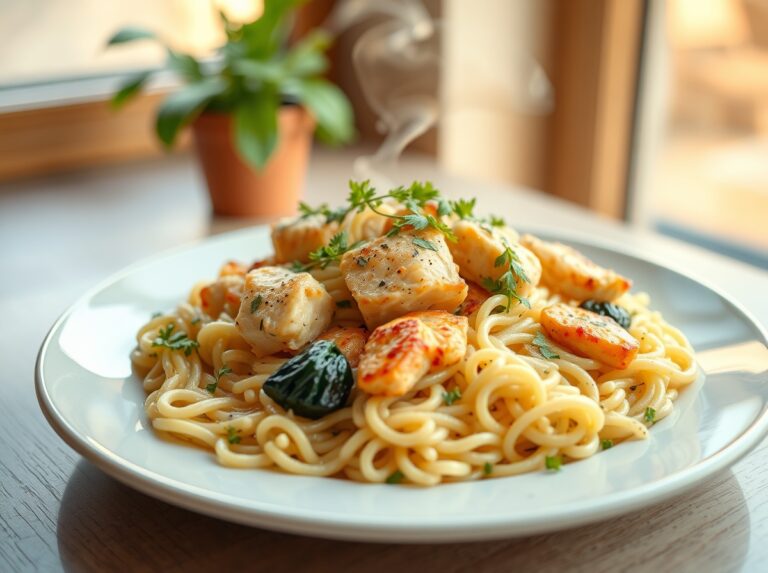
Easy Leftover Rotisserie Chicken Recipes
I started making Leftover Rotisserie Chicken Recipes after a weeknight dinner that went completely wrong. I had to improvise, and what came out of that experiment is now one of the most-requested meals in my house.
With the right approach, those recipes with leftover rotisserie chicken can become the foundation for delicious meals that your family will request again and again.
Table of Contents
Ingredients for Leftover Rotisserie Chickens
Chef’s note: After testing this recipe at least a dozen times, I’ve found that the secret is giving it a proper rest before serving.
Main Ingredients:
– Leftover rotisserie chicken (at least 2 cups shredded)
– 1 medium onion, diced
– 2-3 cloves garlic, minced
– 2 cups mixed vegetables (carrots, peas, corn, etc.)
– 2 tablespoons olive oil or butter
– Salt and pepper to taste
– Fresh herbs (parsley, thyme, or rosemary)
Optional Ingredients:
– 2 cups cooked rice or pasta
– 1 can cream of chicken soup
– 1 cup chicken broth
– 1 cup shredded cheese
– 1 pie crust (for chicken pot pie variation)
Equipment:
– Large skillet or sauté pan
– Mixing bowls
– Cutting board and knife
– Measuring cups and spoons
– Casserole dish or baking pan
– Storage containers
How Long Does Leftover Rotisserie Chickens Take to Make?
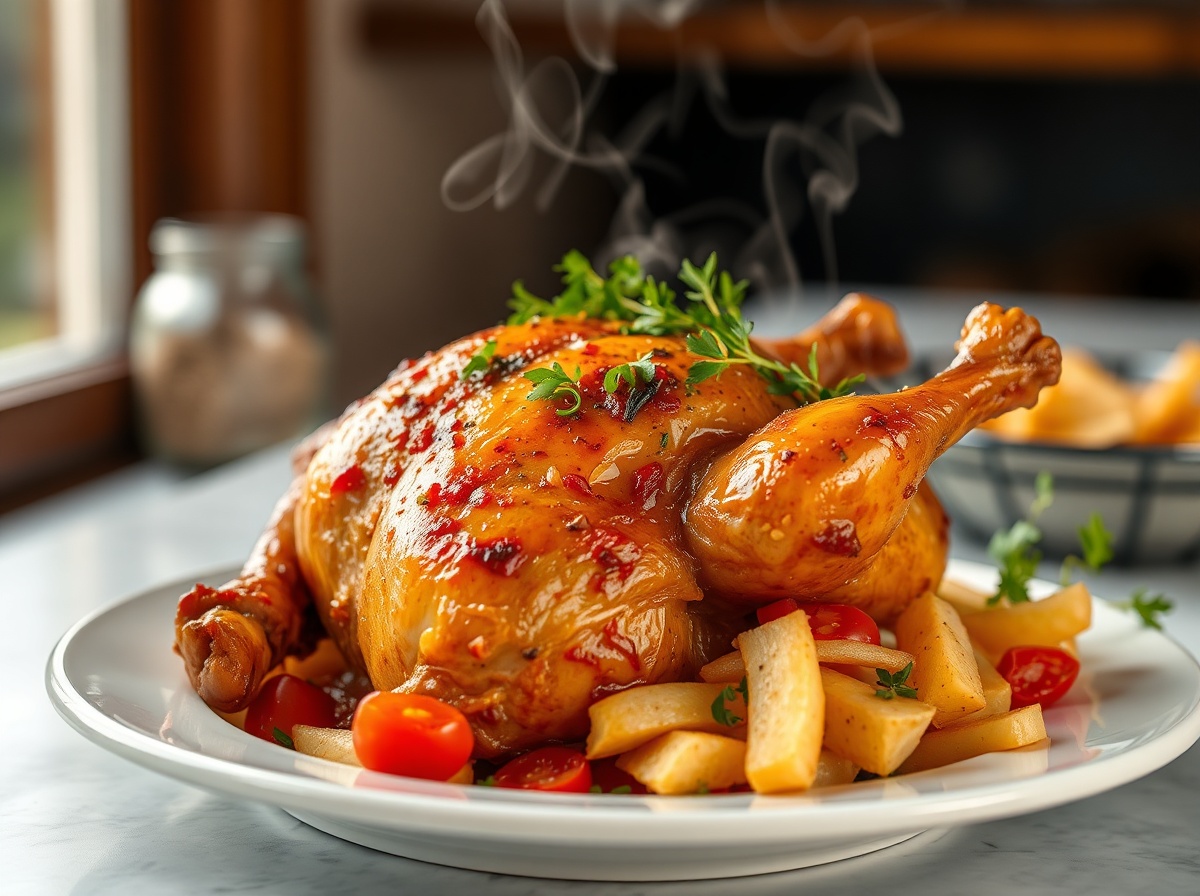
Most leftover rotisserie chicken dishes come together quickly, making them perfect for weeknight meals:
– Prep time: 15 minutes
– Cooking time: 20-30 minutes
– Total time: 35-45 minutes
This is significantly faster than starting with raw chicken, which typically adds 20-30 minutes to your cooking time. Plus, the pre-seasoned nature of rotisserie chicken means your dishes will already have a flavor foundation.
How to Make Leftover Rotisserie Chickens (Step-by-Step)
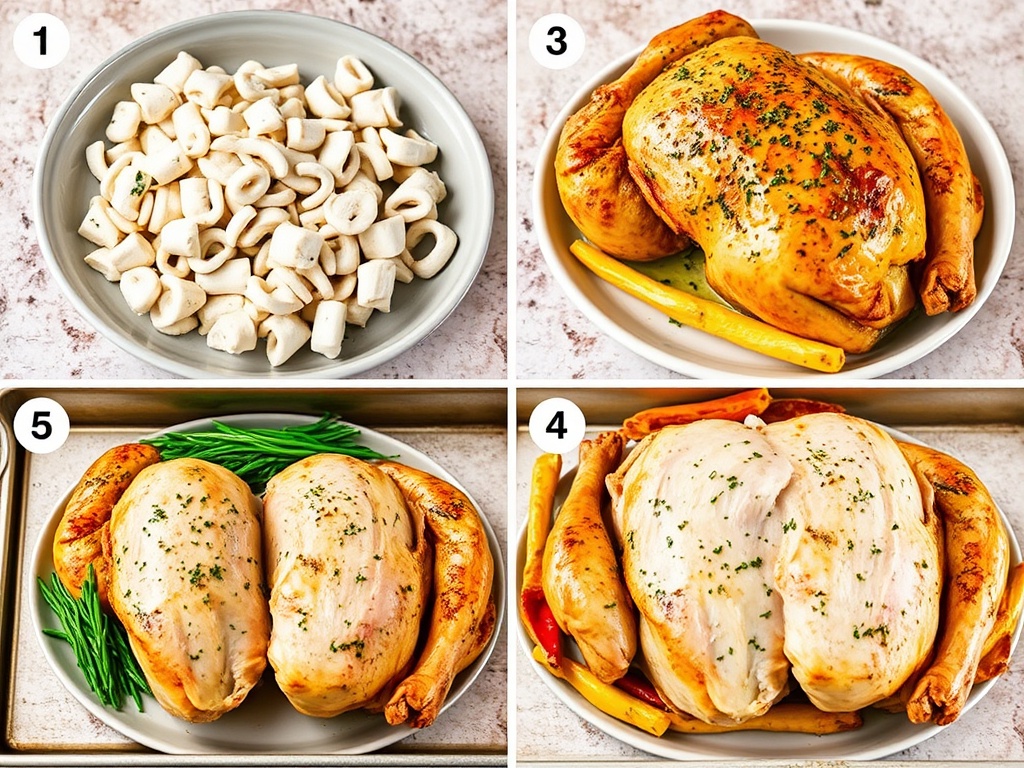
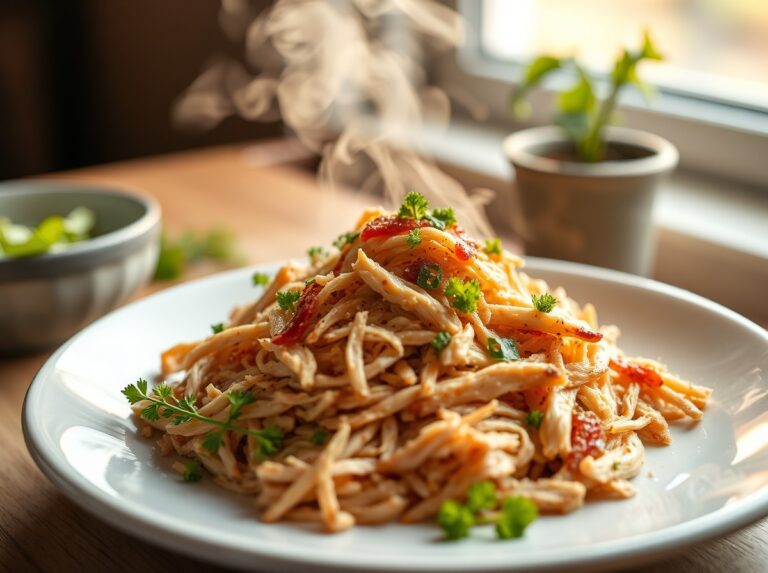
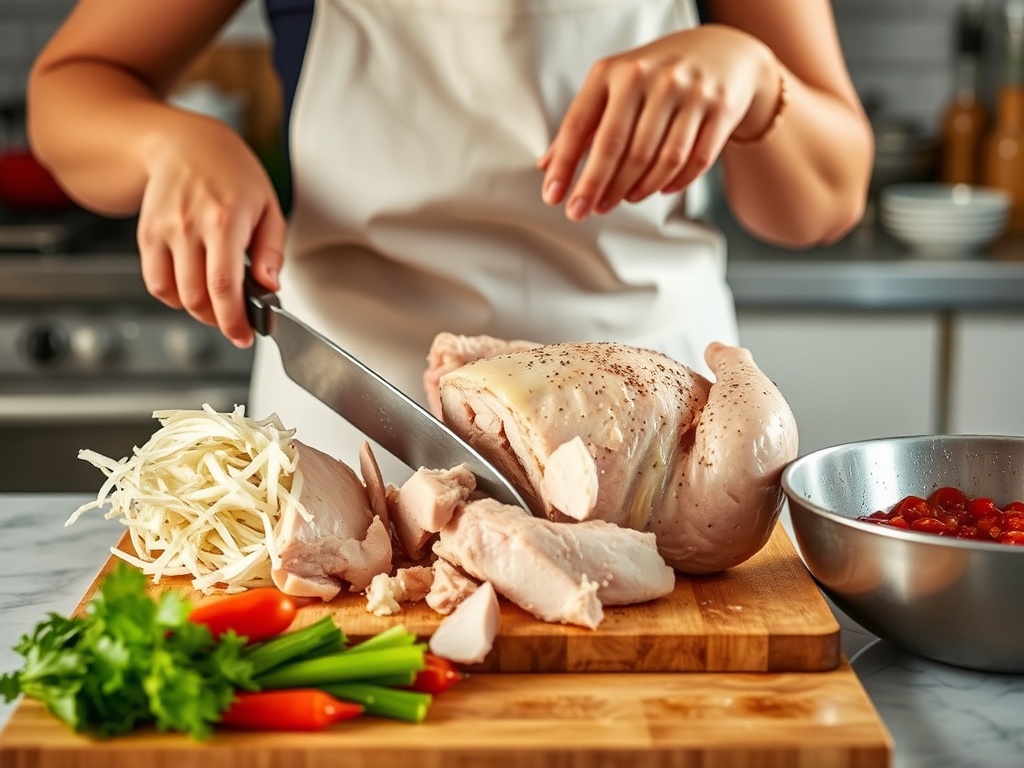
1. Prepare the chicken: Remove all meat from the bones and shred or dice it depending on your recipe. Don’t forget the tender dark meat – it adds wonderful flavor to your leftover rotisserie chicken recipes.
2. Sauté aromatics: Heat olive oil in a large skillet over medium heat. Add diced onion and cook until translucent (about 3-4 minutes). Add garlic and cook for another 30 seconds until fragrant.
3. Add vegetables: Incorporate your mixed vegetables and sauté for 5-7 minutes until they begin to soften.
4. Combine with chicken: Add the shredded chicken to the pan and stir to combine with the vegetables. Season with salt, pepper, and your chosen herbs.
5. Create your dish: From here, you can take several directions with your recipes with leftover rotisserie chicken:
– For a quick stir-fry: Add cooked rice and a sauce of your choice
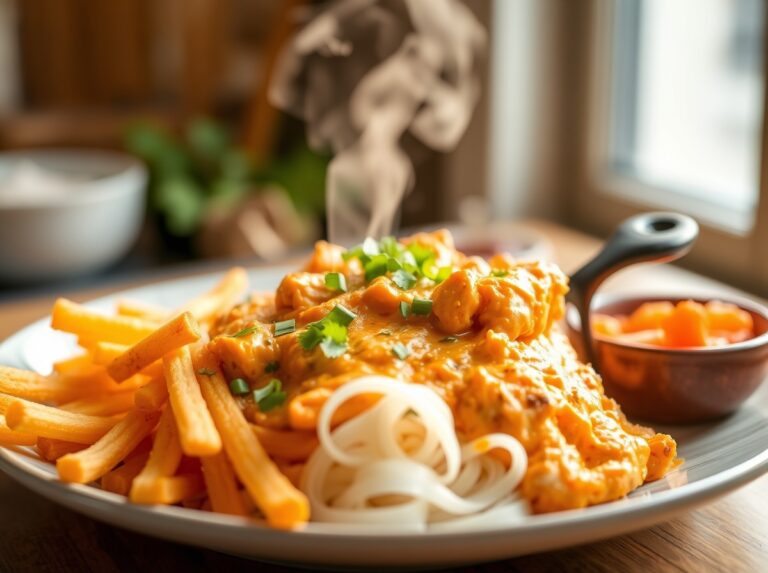
– For a creamy casserole: Mix in cream of chicken soup, broth, and transfer to a baking dish
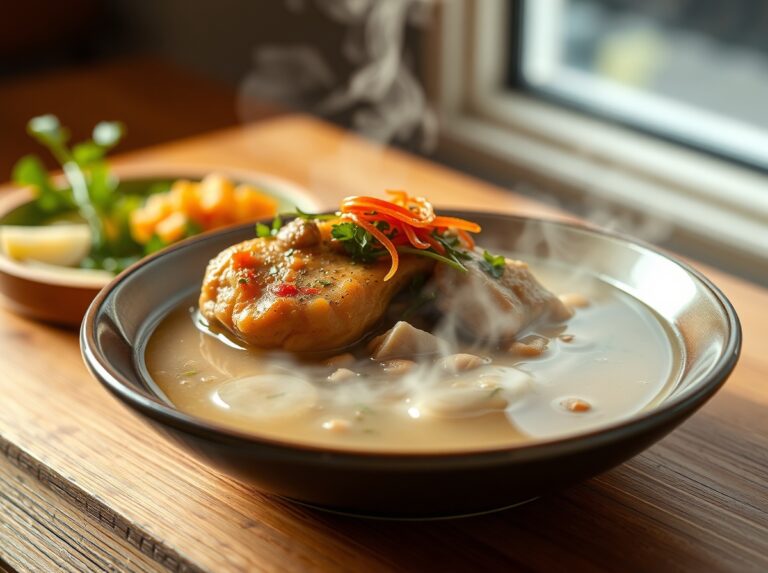
– For soup: Add extra broth and simmer with additional vegetables
– For tacos or enchiladas: Season with Mexican spices and serve with tortillas
6. Finish cooking: Depending on your chosen direction, either serve immediately or bake in a 350°F oven for 20-25 minutes until hot and bubbly.
Nutritional Benefits of Leftover Rotisserie Chickens
Repurposing rotisserie chicken offers numerous health benefits:
– High-quality protein (approximately 25g per 3oz serving)
– Lower sodium than many takeout options
– Ability to control fat content by removing skin if desired
– Opportunity to add vegetables for additional nutrients
– Good source of B vitamins and minerals like selenium and phosphorus
By creating your own meals with leftover chicken, you can create balanced dishes with more vegetables and controlled portions.
Expert Tips for the Best Leftover Rotisserie Chickens
– Save the bones to make homemade chicken stock
– For lower-carb options, use cauliflower rice instead of regular rice
– Make chicken salad with Greek yogurt instead of mayonnaise for a healthier option
– Add international flavors with curry powder, Italian herbs, or Mexican spices
– Stretch small amounts of chicken by adding beans or additional vegetables
Common Mistakes When Making Leftover Rotisserie Chickens
1. Overcooking the chicken: Since it’s already cooked, add it toward the end of recipes to prevent it from becoming dry and tough.
2. Neglecting food safety: Refrigerate leftover chicken within two hours of purchase and use it within 3-4 days.
3. Forgetting to taste before serving: Rotisserie chickens vary in seasoning levels, so always taste and adjust seasonings accordingly.
4. Not removing excess fat: If making soups or stews, consider chilling the dish first so you can easily remove solidified fat from the top.
How to Store Leftover Rotisserie Chickens
– Store shredded chicken in airtight containers in the refrigerator for 3-4 days
– Freeze portioned chicken in freezer bags for up to 3 months
– Label containers with the date to track freshness
– For best quality, thaw frozen chicken in the refrigerator overnight rather than using a microwave
– Reheat chicken dishes to an internal temperature of 165°F for food safety
Conclusion
Transforming leftover rotisserie chicken recipes into delicious new meals is both economical and convenient. With these techniques, you can create satisfying dishes that taste homemade while saving valuable time in the kitchen. The versatility of recipes with leftover rotisserie chicken means you’ll never get bored, and your family will appreciate the creative meals you bring to the table. Why not challenge yourself to create three different meals from your next store-bought rotisserie chicken?
Frequently Asked Questions About Leftover Rotisserie Chickens
How long does leftover rotisserie chicken stay good in the refrigerator?
When properly stored in airtight containers, leftover rotisserie chicken will stay good for 3-4 days in the refrigerator.
Can I freeze leftover rotisserie chicken?
Yes! Remove the meat from the bones, package it in freezer-safe containers or bags, and it will keep for up to 3 months.
What’s the best way to reheat leftover rotisserie chicken without drying it out?
Add a splash of chicken broth when reheating, cover the dish, and warm gently. For microwave reheating, use 50% power in short intervals.
Can I use the rotisserie chicken carcass for anything?
Absolutely! The carcass makes excellent homemade chicken stock. Simply simmer it with vegetables, herbs, and water for 3-4 hours.
Is rotisserie chicken healthy?
It can be part of a healthy diet, especially if you remove the skin to reduce fat content and pair it with plenty of vegetables and whole grains.