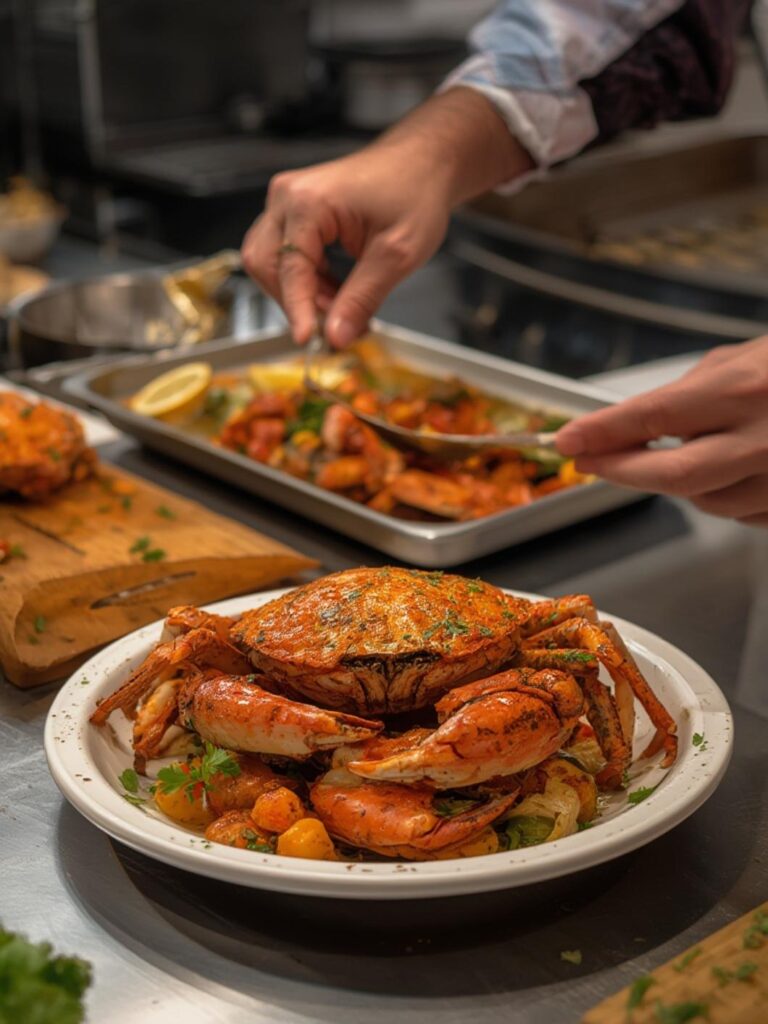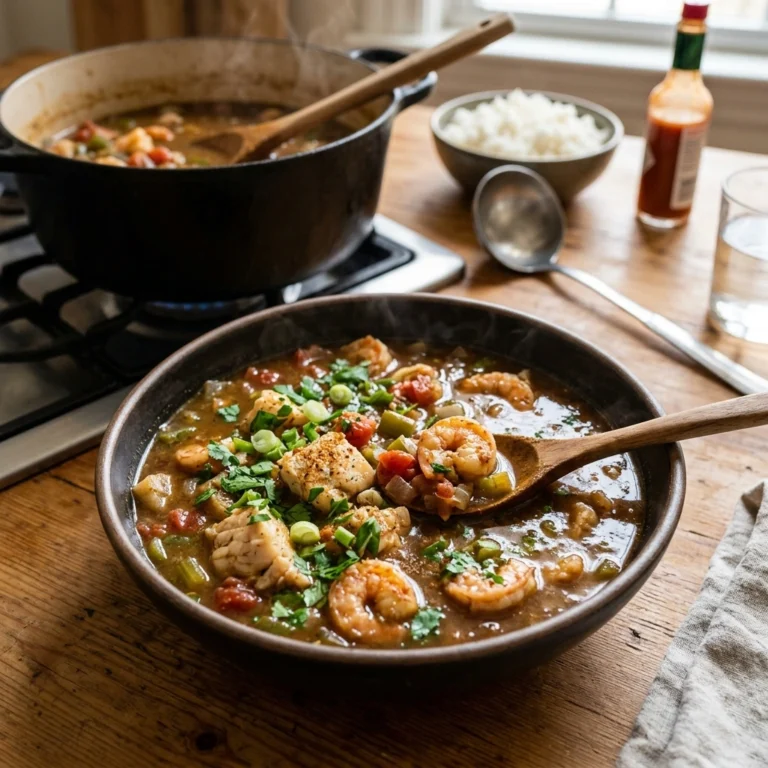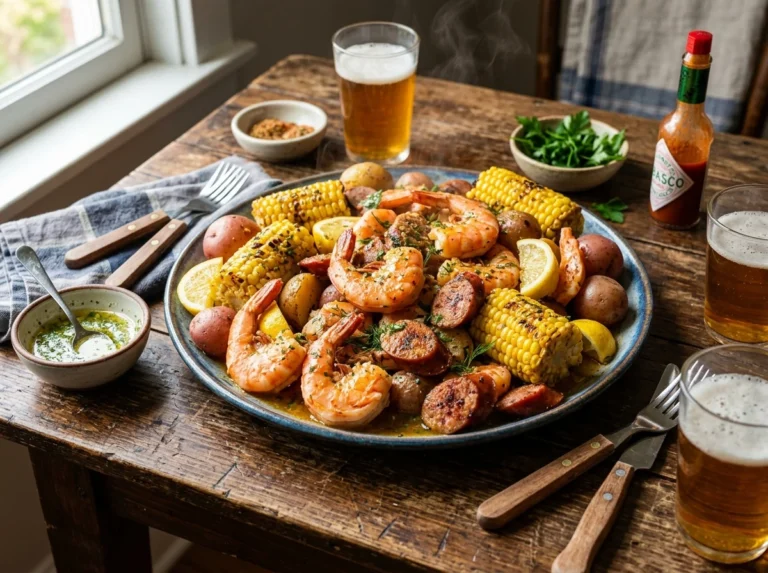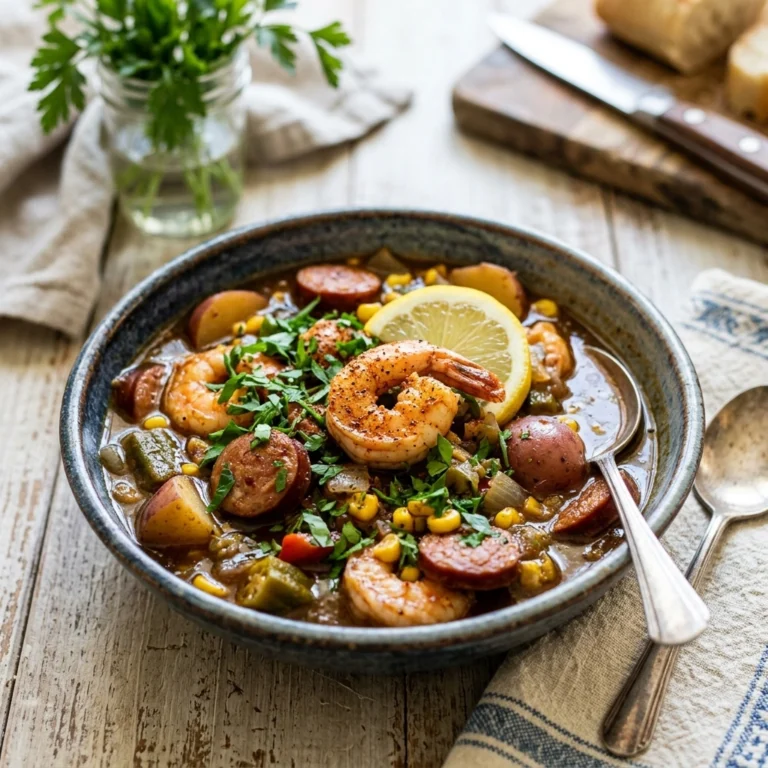
Must-Have Seafood Boil Ingredients List
Must-Have Seafood Boil Ingredients List is one of those dishes that sounds harder than it is. Once you’ve made it once, you’ll wonder why you didn’t start sooner.
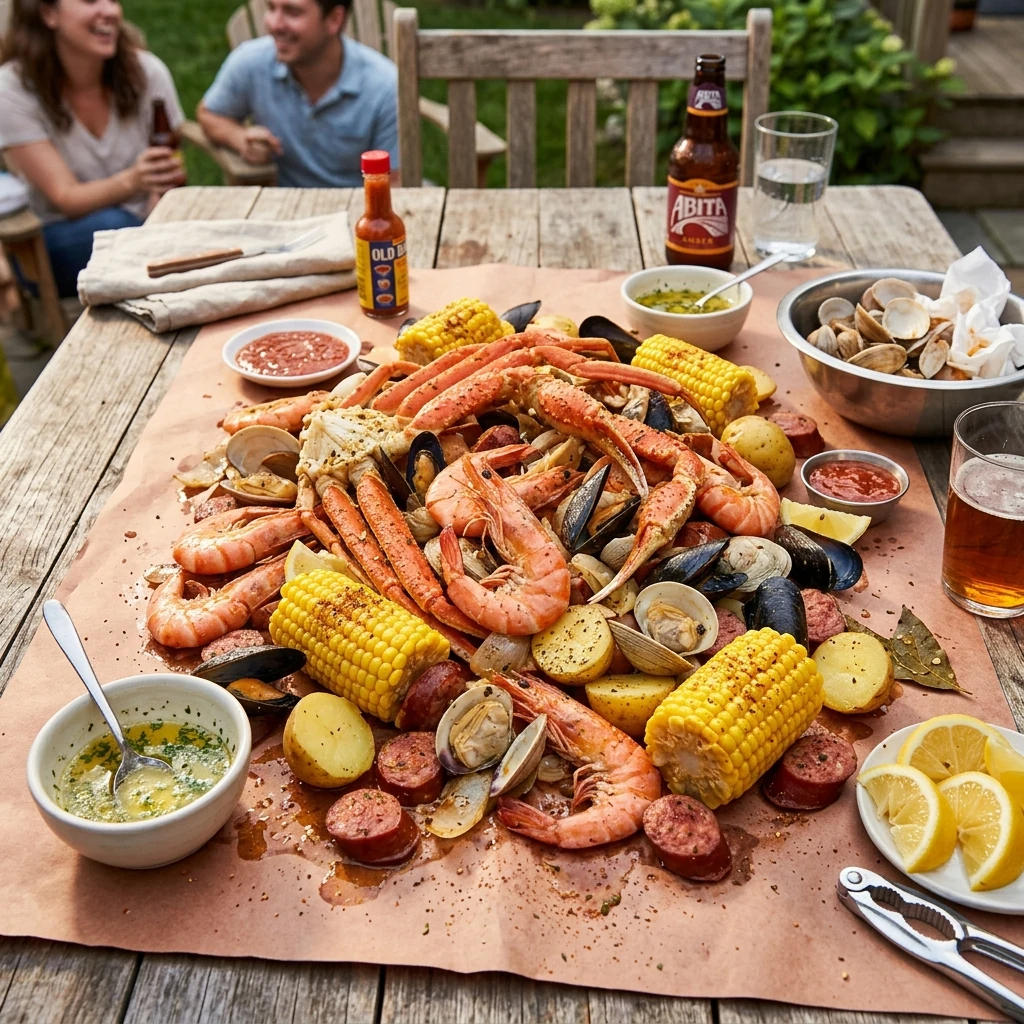
Table of Contents
Ingredients for Seafood Boil Ingredients List
Chef’s note: My tip: taste as you go. Seafood seasoning needs adjusting based on the freshness of what you buy.
For the Seafood:
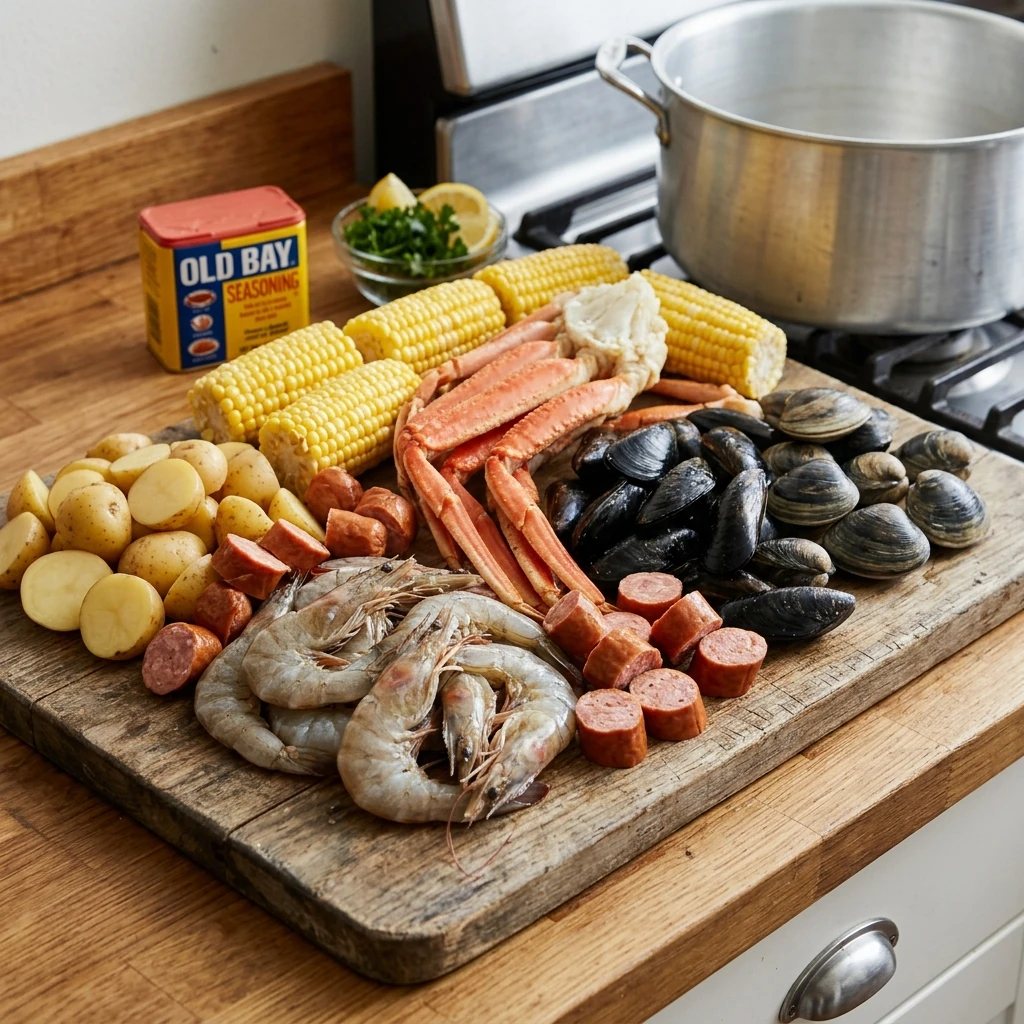
– 1 pound large shrimp, shell-on
– 1 pound snow crab legs, thawed if frozen
– 1 pound mussels, cleaned and debearded
– 1 pound clams, scrubbed
– 4-6 ears corn, cut into 2-3 inch pieces
– 1 pound baby potatoes, halved
– 1 pound andouille sausage, sliced into 1-inch pieces
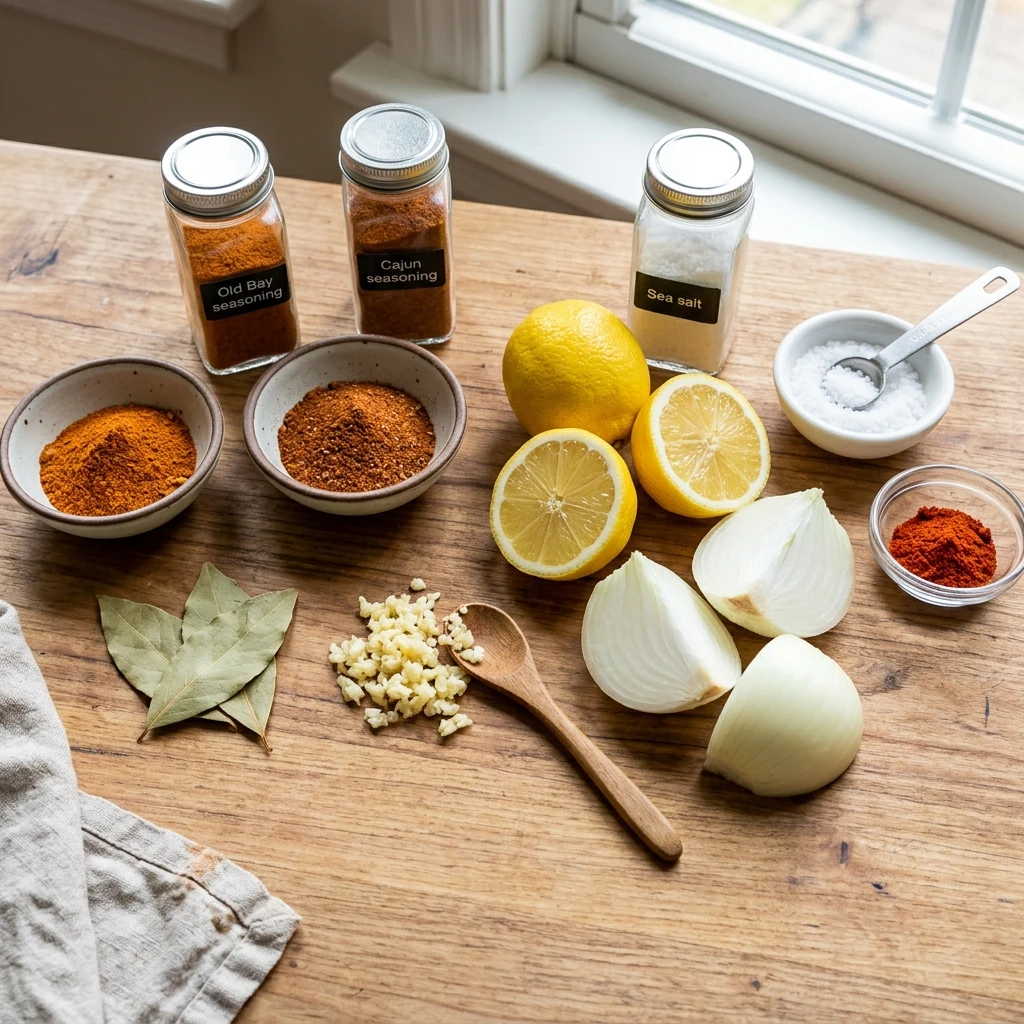
For the Boil Seasoning:
– 2 tablespoons Old Bay seasoning
– 2 tablespoons cajun seasoning
– 3 bay leaves
– 6 cloves garlic, minced
– 2 lemons, halved
– 1 onion, quartered
– 2-3 tablespoons salt (adjust to taste)
– 2 teaspoons cayenne pepper (optional for heat)
Equipment Needed:
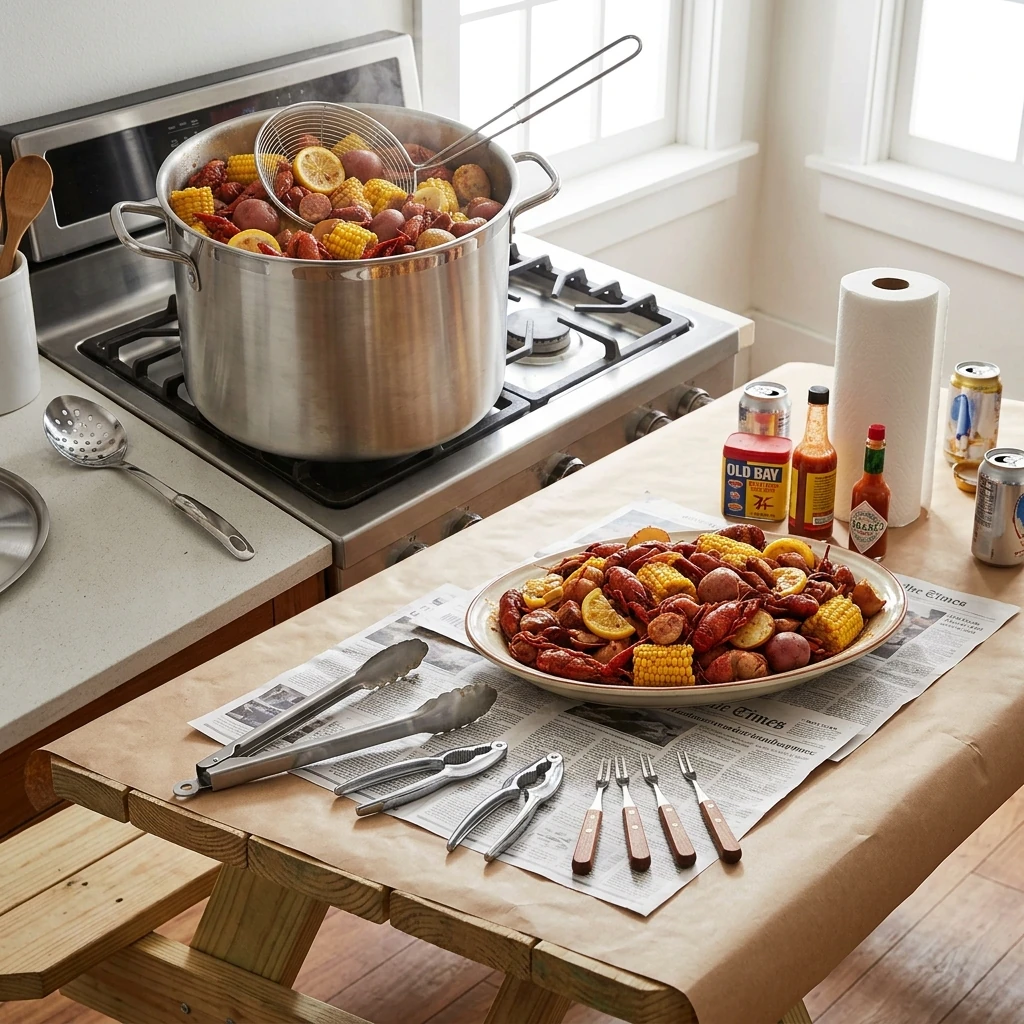
– Large stockpot (at least 12-quart capacity)
– Slotted spoon or spider strainer
– Serving platter or newspaper-covered table
– Kitchen tongs
– Seafood crackers and picks for shells
How Long Does Seafood Boil Ingredients List Take to Make?
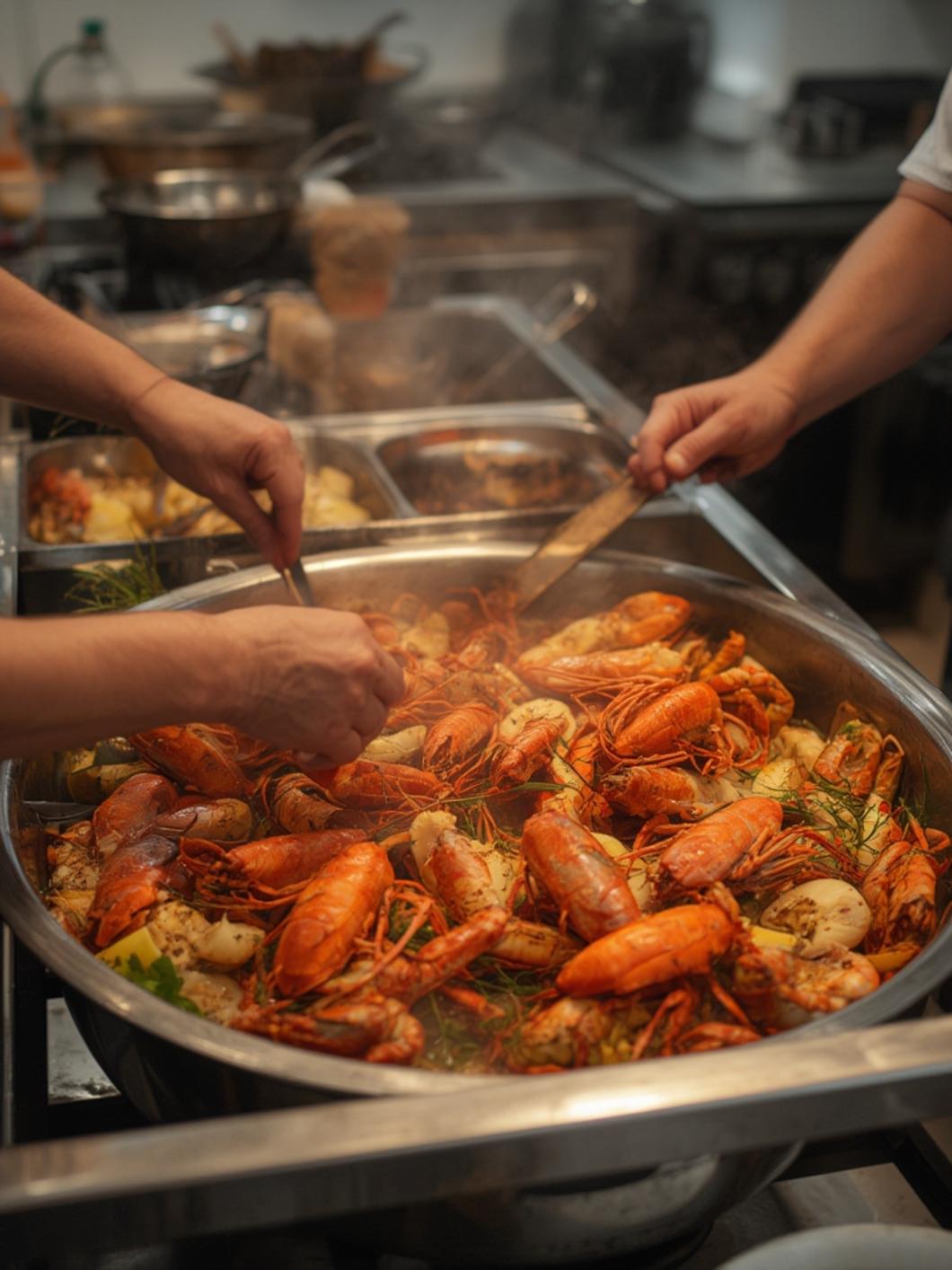
A proper seafood boil requires careful timing to ensure every component cooks perfectly:
– Prep Time: 30 minutes (cleaning and preparing seafood and vegetables)
– Cooking Time: 30-40 minutes (adding ingredients in stages)
– Total Time: Approximately 1 hour 10 minutes
Unlike many one-pot meals, the seafood boil requires adding ingredients at different times to prevent overcooking. Plan to serve immediately after cooking for the best flavor and texture experience.
How to Make Seafood Boil Ingredients List (Step-by-Step)
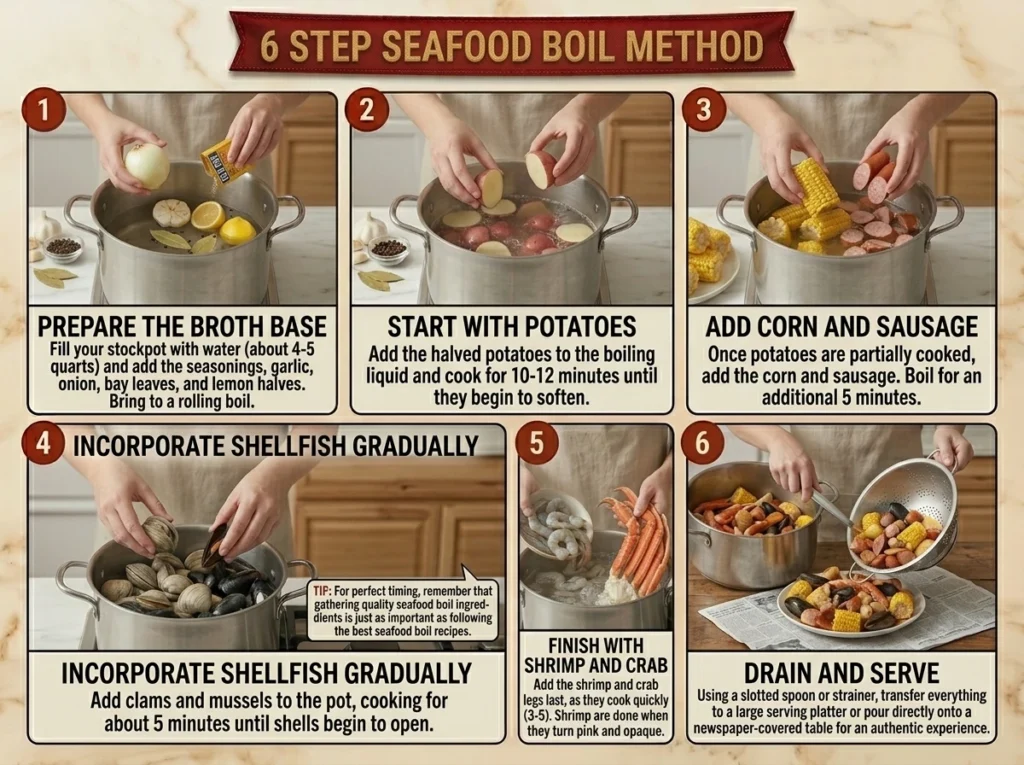
1. Prepare the broth base: Fill your stockpot with water (about 4-5 quarts) and add the seasonings, garlic, onion, bay leaves, and lemon halves. Bring to a rolling boil.
2. Start with potatoes: Add the halved potatoes to the boiling liquid and cook for 10-12 minutes until they begin to soften.
3. Add corn and sausage: Once potatoes are partially cooked, add the corn and sausage. Boil for an additional 5 minutes.
4. Incorporate shellfish gradually: Add clams and mussels to the pot, cooking for about 5 minutes until shells begin to open. For perfect timing, remember that gathering quality seafood boil ingredients is just as important as following the best seafood boil recipes.
5. Finish with shrimp and crab: Add the shrimp and crab legs last, as they cook quickly (3-5 minutes). Shrimp are done when they turn pink and opaque.
6. Drain and serve: Using a slotted spoon or strainer, transfer everything to a large serving platter or pour directly onto a newspaper-covered table for an authentic experience.
Nutritional Benefits of Seafood Boil Ingredients List
This seafood feast isn’t just delicious—it’s nutritionally powerful. Shellfish provides high-quality protein, omega-3 fatty acids, and essential minerals like zinc and selenium. Corn offers fiber and antioxidants, while potatoes provide complex carbohydrates and potassium. The spices used, particularly garlic, offer anti-inflammatory benefits.
Expert Tips for the Best Seafood Boil Ingredients List
– Spice variations: Create a milder boil by reducing cayenne or a more fiery version by adding sliced jalapeños.
– Seafood alternatives: Substitute crawfish, lobster tails, or scallops based on availability and preference.
– Dietary adjustments: For a gluten-free version, ensure your sausage contains no fillers with gluten.
– One-bag method: For easier serving, consider cooking everything in large, food-safe mesh bags.
Common Mistakes When Making Seafood Boil Ingredients List
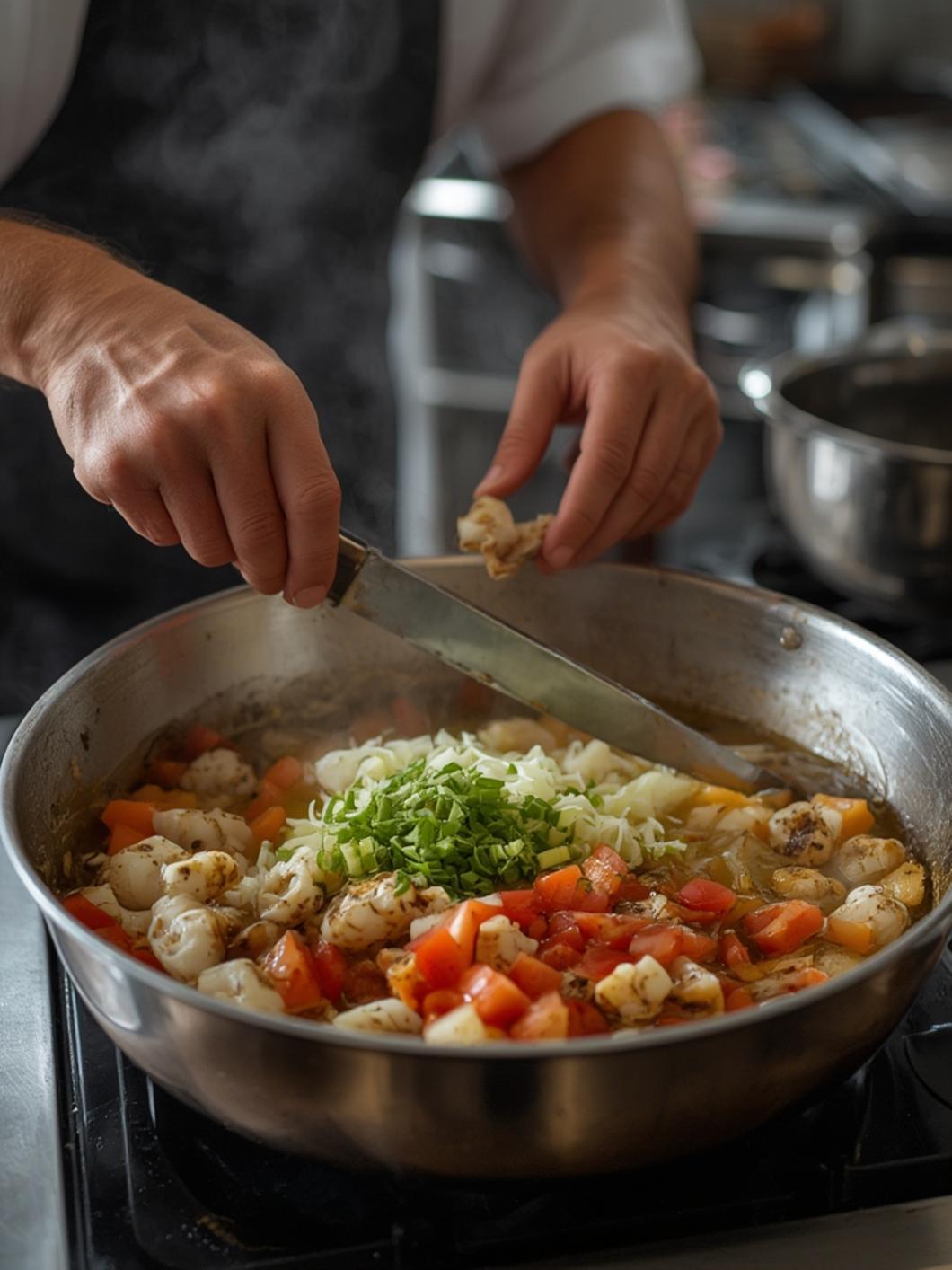
1. Overcooking seafood: Watch timing carefully—overcooked shrimp becomes rubbery and crab meat tough.
2. Neglecting seasoning the water: The flavor intensity comes from properly seasoned cooking liquid.
3. Adding all ingredients simultaneously: Different components require different cooking times.
4. Using seafood that isn’t fresh: Always choose the freshest seafood possible for optimal flavor.
How to Store Seafood Boil Ingredients List
Seafood boil leftovers can be stored in airtight containers in the refrigerator for up to 2 days. Reheat gently in a steamer basket or microwave on 50% power to prevent overcooking. For best results, separate seafood from vegetables when reheating. Freezing is not recommended as it significantly alters texture.
Conclusion
Creating an authentic seafood boil at home is a rewarding culinary adventure that brings people together around the table. By following this guide and sourcing quality seafood boil ingredients, you’ll master this beloved coastal tradition. Don’t be afraid to experiment with different seafood boil recipes to find your personal favorite combination. Whether for a special occasion or a weekend gathering, this impressive yet approachable dish is sure to become a cherished part of your cooking repertoire. We’d love to hear about your seafood boil experiences—share your results in the comments below!
Frequently Asked Questions About Seafood Boil Ingredients List
Can I make a seafood boil without shellfish due to allergies?
Yes, you can create a delicious alternative using white fish chunks, salmon, and additional sausage for protein.
What’s the best way to know when each seafood item is properly cooked?
Shrimp are done when pink and opaque, clams and mussels when their shells open, and crab legs when they’re heated through (typically 3-5 minutes since they’re usually pre-cooked).
Can I prepare components of the seafood boil ahead of time?
You can clean and prepare the vegetables and seafood up to a day in advance, but the actual boiling should happen just before serving.
Is it necessary to use Old Bay seasoning specifically?
While traditional, you can substitute with a homemade blend of paprika, celery salt, black pepper, cayenne pepper, mustard powder, and ground nutmeg if Old Bay isn’t available.
There are no reviews yet. Be the first one to write one.