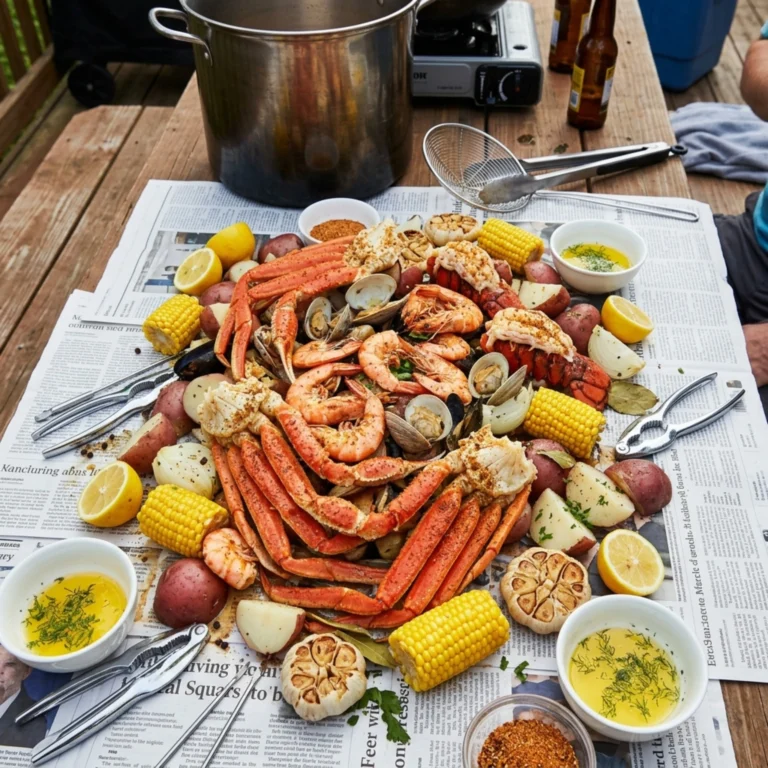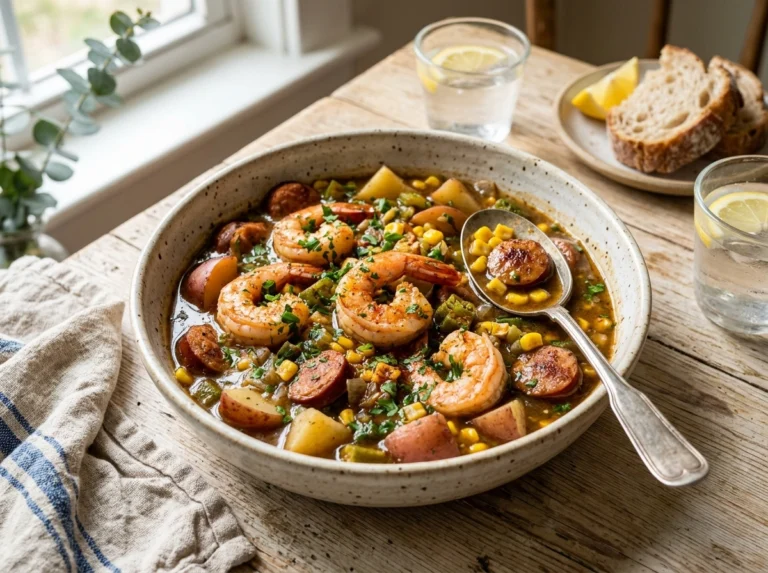
How to make seafood pasta with simple ingredients
My family has strong opinions about food, which makes it easy to know when a recipe is a keeper. seafood pasta with simple ingredients passed the test on the first try.
Table of Contents
Ingredients for seafood pasta with ingredients
Chef’s note: Seafood has always been a big part of my cooking, especially for weekend gatherings.
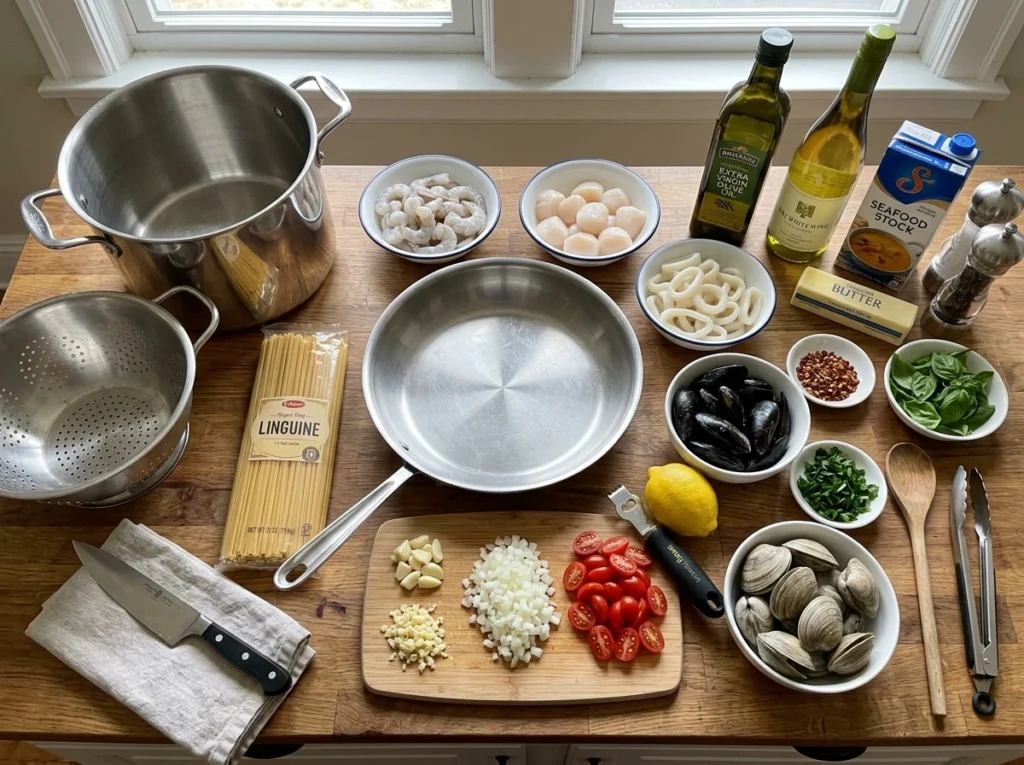
For the Pasta:
– 1 pound linguine or fettuccine
– 4 quarts water
– 2 tablespoons salt (for pasta water)
For the Seafood:
– 8 oz shrimp, peeled and deveined
– 8 oz scallops
– 8 oz calamari rings
– 12 mussels, cleaned
– 8 oz clams, cleaned
For the Sauce:
– 4 tablespoons olive oil
– 6 cloves garlic, minced
– 1 small onion, finely diced
– 1 cup cherry tomatoes, halved
– 1 cup dry white wine
– 1 cup seafood or vegetable stock
– 2 tablespoons unsalted butter
– 1 lemon (juice and zest)
– ½ teaspoon red pepper flakes (optional)
– ¼ cup fresh parsley, chopped
– 2 tablespoons fresh basil, chopped
– Salt and pepper to taste
Equipment:
– Large pasta pot
– Colander
– Large, deep skillet or sauté pan
– Sharp knife
– Cutting board
– Wooden spoon
– Tongs
How Long Does seafood pasta with ingredients Take to Make?
Prep Time: 25 minutes (cleaning and preparing seafood, chopping herbs and vegetables)
Cooking Time: 20 minutes
Total Time: 45 minutes
Serves: 4 people
This dish comes together more quickly than most traditional pasta dishes, making it perfect for weeknight dinners or impromptu gatherings. Compared to a slow-simmered pasta sauce that might take hours, this seafood-centric dish delivers maximum flavor in minimum time.
How to Make seafood pasta with ingredients (Step-by-Step)
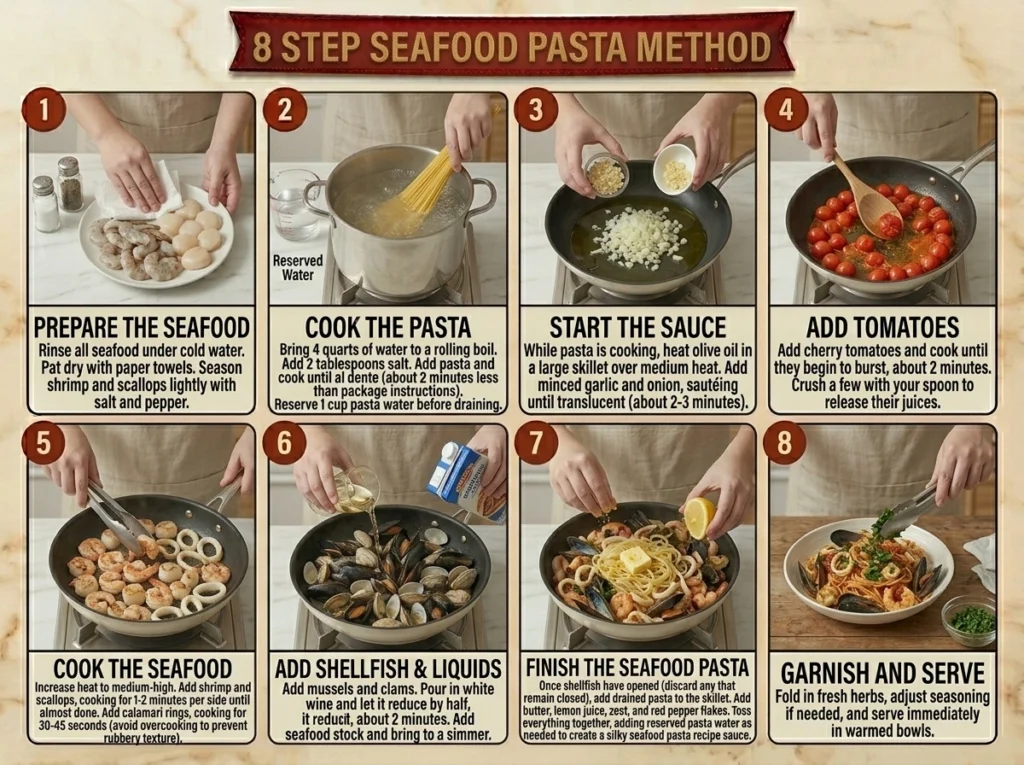
1. Prepare the seafood: Rinse all seafood under cold water. Pat dry with paper towels. Season shrimp and scallops lightly with salt and pepper.
2. Cook the pasta: Bring 4 quarts of water to a rolling boil. Add 2 tablespoons salt. Add pasta and cook until al dente (about 2 minutes less than package instructions). Reserve 1 cup pasta water before draining.
3. Start the sauce: While pasta is cooking, heat olive oil in a large skillet over medium heat. Add minced garlic and onion, sautéing until translucent (about 2-3 minutes).
4. Add tomatoes: Add cherry tomatoes and cook until they begin to burst, about 2 minutes. Crush a few with your spoon to release their juices.
5. Cook the seafood: Increase heat to medium-high. Add shrimp and scallops, cooking for 1-2 minutes per side until almost done. Add calamari rings, cooking for 30-45 seconds (avoid overcooking to prevent rubbery texture).
6. Add shellfish and liquids: Add mussels and clams. Pour in white wine and let it reduce by half, about 2 minutes. Add seafood stock and bring to a simmer.
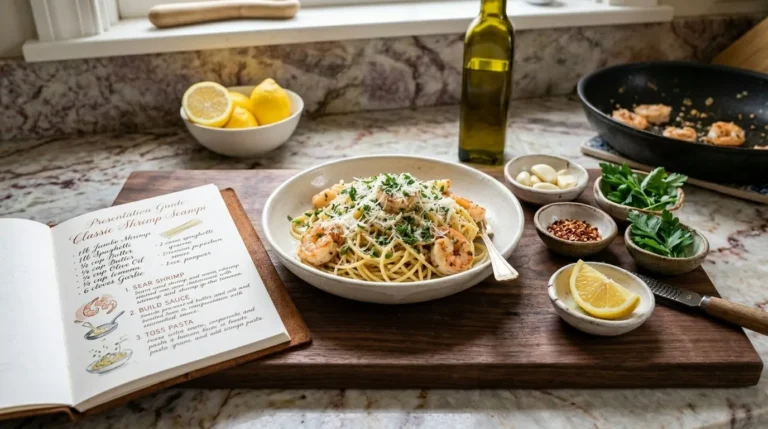
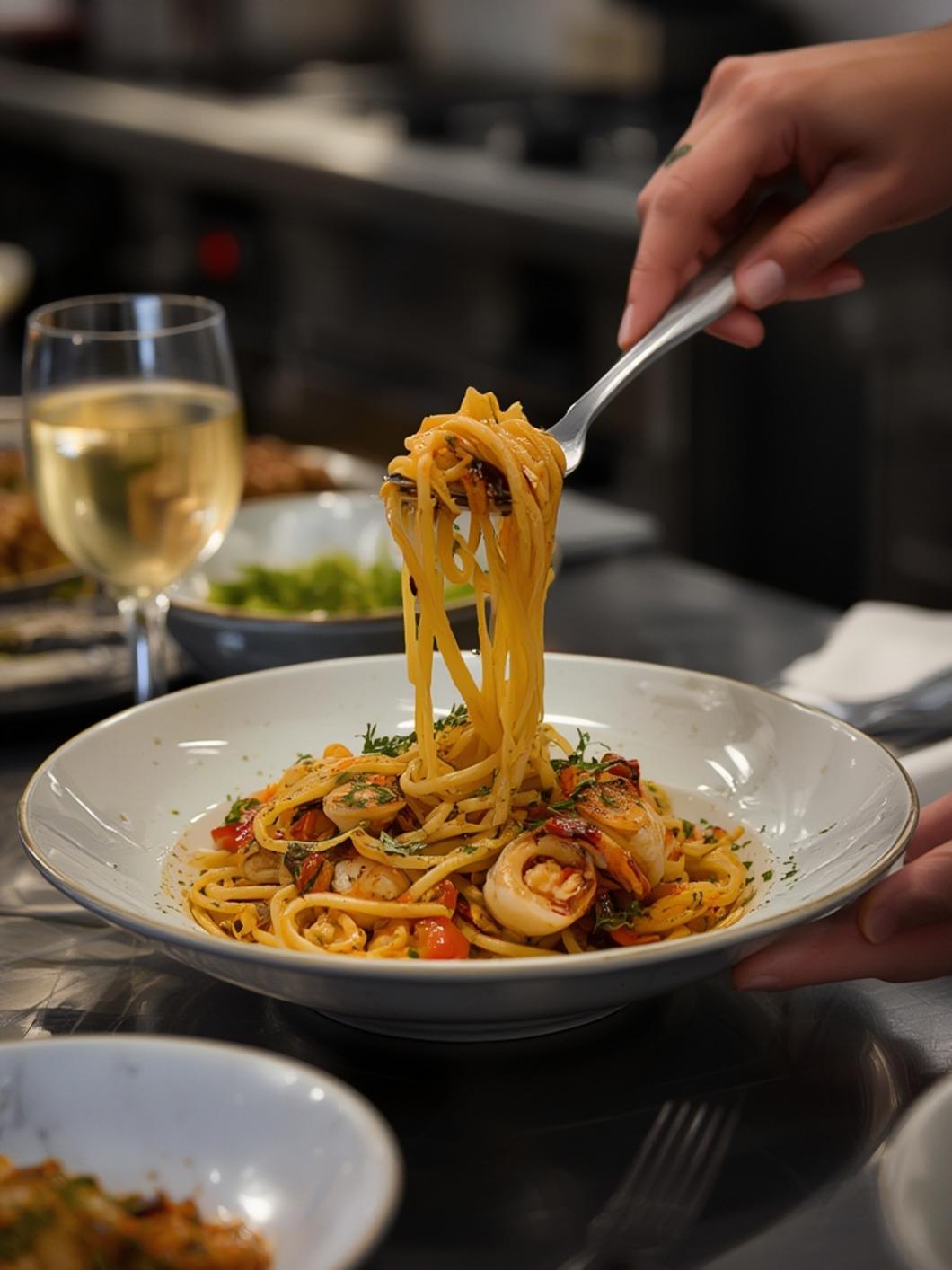
7. Finish the seafood pasta: Once shellfish have opened (discard any that remain closed), add drained pasta to the skillet. Add butter, lemon juice, zest, and red pepper flakes. Toss everything together, adding reserved pasta water as needed to create a silky seafood pasta recipe sauce.
8. Garnish and serve: Fold in fresh herbs, adjust seasoning if needed, and serve immediately in warmed bowls.
Nutritional Benefits of seafood pasta with ingredients
This dish isn’t just delicious—it’s nutritionally powerful. Seafood provides high-quality protein, essential omega-3 fatty acids, and important minerals like zinc, iodine, and selenium. The combination of tomatoes and herbs adds antioxidants, while garlic offers immune-boosting compounds. At approximately 450-550 calories per serving, this meal provides balanced nutrition without excessive calories.
Expert Tips for the Best seafood pasta with ingredients
– Seafood variations: Use whatever fresh seafood is available. Lobster, crab, or white fish fillets work wonderfully.
– Gluten-free option: Substitute with gluten-free pasta or spiralized zucchini for a lower-carb version.
– Creamy alternative: Add ¼ cup heavy cream at the end for a richer sauce.
– Spice level: Adjust red pepper flakes to your preferred heat level.
– Wine substitute: Use additional stock plus 1 tablespoon of lemon juice if avoiding alcohol.
Common Mistakes When Making seafood pasta with ingredients
1. Overcooking seafood: Different types require different cooking times. Add them in stages to ensure nothing becomes tough or rubbery.
2. Underseasoning pasta water: The water should taste like seawater to properly flavor the pasta.
3. Using old seafood: Freshness is crucial. If it smells fishy rather than oceanic, don’t use it.
4. Overcrowding the pan: Cook in batches if necessary to prevent steaming instead of searing.
5. Skipping pasta water: This starchy liquid is essential for creating a silky sauce that clings to the pasta.
How to Store seafood pasta with ingredients
Seafood pasta is best enjoyed fresh, but leftovers can be stored in an airtight container in the refrigerator for up to 2 days. Reheat gently on the stovetop with a splash of water or stock to revive the sauce. Avoid microwaving as it can make seafood tough and rubbery. Freezing is not recommended as it significantly affects the texture of both pasta and seafood.
Conclusion
Creating a restaurant-worthy seafood pasta at home isn’t just possible—it’s surprisingly straightforward with the right techniques. By following this seafood pasta recipe, you’ll be able to impress family and friends with a dish that celebrates the natural flavors of fresh seafood paired with perfectly cooked pasta. The combination of textures and flavors creates a memorable dining experience that’s worth mastering. Why not try this recipe this weekend and transform your kitchen into a coastal Italian restaurant?
Frequently Asked Questions About seafood pasta with ingredients
Can I make this dish with frozen seafood?
Yes, though fresh is preferable. Thaw frozen seafood completely in the refrigerator overnight and pat dry before cooking to remove excess moisture.
What’s the best pasta shape for seafood pasta?
Long pasta like linguine, spaghetti, or fettuccine works best as it twirls nicely with the sauce and seafood. Avoid very small shapes that might get lost among the seafood pieces.
How can I tell when shellfish is properly cooked?
Mussels and clams are done when their shells open (discard any that remain closed). Shrimp turn pink and opaque, while scallops should be just opaque through the center.
Can I prep components of this dish ahead of time?
You can clean and prep the seafood a few hours ahead (keep refrigerated), and chop herbs and vegetables. However, the cooking should be done just before serving for best results.
There are no reviews yet. Be the first one to write one.